Defense Priorities Defense Priorities
  • Policy Topics
    • US-Israel-Iran
    • Ukraine-Russia
    • Western Hemisphere
    • NATO
    • China
    • Syria
  • Analysis
    • Research
    • Q&A
  • Programs
    • Grand Strategy Program
    • Military Analysis Program
    • Asia Program
    • Middle East Program
  • Experts
  • Events
  • Media
  • About
    • Mission & Vision
    • People
    • Jobs
    • Contact
  • Donate
Select Page
Home / Iran / Don’t Hold Your Breath on Iranian Democracy
Iran, Middle East

February 27, 2026

Don’t Hold Your Breath on Iranian Democracy

By Alex Madajian

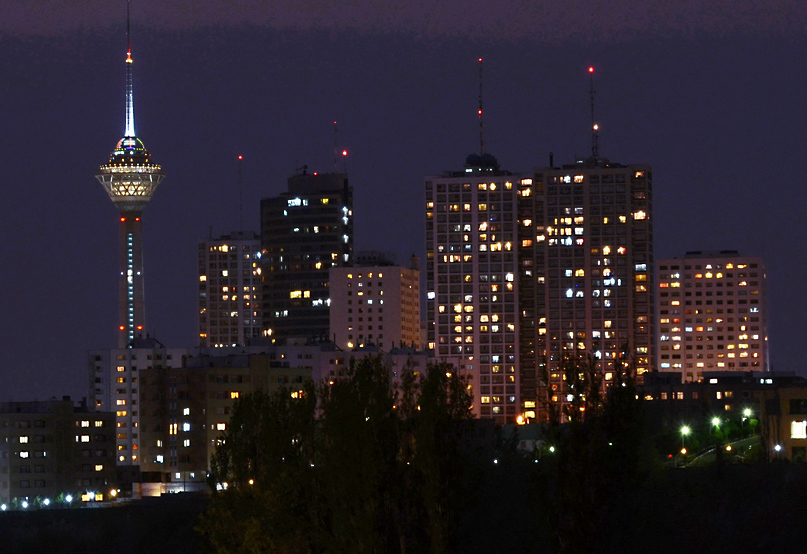
No one disputes that the Iranian people have been dealt a terrible set of cards, but the looming prospect of a U.S. military intervention could very likely make things worse for them. For some, democracy, freedom, and happiness are all the same words. They cannot conceive of a country’s population being free or happy unless they are open to the influence of international institutions and NGOs.

In the case of Iran, the adoption of democracy isn’t an inherently bad thing. Still, it’s delusional to believe that a shift to democracy will fix its preexisting internal divisions and ensure the ascendance of liberalism. Most importantly, it’s not worth the U.S. and Western governments spilling blood and treasure to ensure Iranians get that system of government.

Many seem to have forgotten that one of the lessons of the Arab Spring is that popular discontent with one autocratic regime does not necessarily translate into the uprooting of that regime and its replacement with a government committed to freedom and democracy. Nor should it be assumed that a population which has so many internal divisions is yearning for a Western-approved government.

Iran is estimated to be the third most populous country in the Middle East and one of the most diverse. Other than Persians, there are Azerbaijanis, Kurds, Lurs, Arabs, Balochs, Talysh, and Turkmen, among others, as well as a significant Sunni minority in the Shia-dominated country, along with smaller Christian and Jewish populations. Many of these demographic groups have ties to populations outside Iran who have agendas different from those of the Iranian people as a whole.

Read at National Interest

Author

Alex
Madajian

Contributing Fellow

Defense Priorities

More on Middle East

Op-edUS‑Israel‑Iran, Alliances, Iran, Middle East, NATO

Trump’s ‘Art of the Deal’ Is Losing Friends and Alienating Allies

By Daniel DePetris

April 2, 2026

In the mediaUS‑Israel‑Iran, Iran, Israel, Israel‑Iran, Middle East

Trump seeks to redefine ‘regime change’ in Iran war

Featuring Rosemary Kelanic

April 1, 2026

Op-edUS‑Israel‑Iran, Iran, Middle East

The Iran War is the Culmination of Washington’s Foreign Policy Pathologies

By Christopher McCallion

April 1, 2026

In the mediaUS‑Israel‑Iran, Iran, Israel‑Iran, Middle East

Trump might end his war—but the rest of the world may pay the price

Featuring Rosemary Kelanic

April 1, 2026

Op-edUS‑Israel‑Iran, Iran, Middle East

Trump risks falling in to the ‘asymmetric resolve’ trap in Iran—just as presidents before him did elsewhere

By William Walldorf

April 1, 2026

Q&AAlliances, Europe and Eurasia, Iran, NATO

How will the war in Iran impact U.S.-Europe relations?

By Thomas P. Cavanna

March 31, 2026

Events on Iran

See All Events
virtualMiddle East, Basing and force posture, Diplomacy, Houthis, Iran, Iraq, Israel, Israel‑Hamas, Military analysis, Syria

Trump in the Middle East: Impacts, implications, and alternatives

May 16, 2025
virtualHouthis, Iran, Israel‑Hamas, Middle East, Yemen

Houthi conundrum: defend, degrade, or defer

March 28, 2024
virtualMiddle East, Iran, Israel‑Hamas, Israel‑Iran, Syria, Yemen

Keeping the U.S. out of war in the Middle East

January 16, 2024

Receive expert foreign policy analysis

Join the hub of realism and restraint

Expert updates and analysis to enhance your understanding of vital U.S. national security issues

Defense Priority Mono Logo

Our mission is to inform citizens, thought leaders, and policymakers of the importance of a strong, dynamic military—used more judiciously to protect America’s narrowly defined national interests—and promote a realistic grand strategy prioritizing restraint, diplomacy, and free trade to ensure U.S. security.

  • Research
  • Experts
  • About
  • For Media
  • Jobs
  • Donate
  • Privacy Policy
  • Terms and Conditions
  • Contact
© 2026 Defense Priorities Foundation. All rights reserved.