Defense Priorities Defense Priorities
  • Policy Topics
    • Venezuela
    • China
    • Israel-Hamas
    • Ukraine-Russia
    • NATO
    • Syria
  • Analysis
    • Research
    • Q&A
  • Programs
    • Grand Strategy Program
    • Military Analysis Program
    • Asia Program
    • Middle East Program
  • Experts
  • Events
  • Media
  • About
    • Mission & Vision
    • People
    • Jobs
    • Contact
  • Donate
Select Page
Home / Israel-Hamas / Don’t count on the United Nations to stop bloodshed in Gaza
Israel‑Hamas, Grand strategy, Middle East

March 26, 2024

Don’t count on the United Nations to stop bloodshed in Gaza

By Daniel DePetris

The United Nations Security Council, the U.N.’s most important body, is responsible for the maintenance of international peace and security. If there is a threat to the peace, the Security Council is supposed to meet, deliberate and adopt measures to curtail aggression and safeguard international law. It’s a weighty responsibility for any country represented on the panel, particularly for the permanent members—the United States, the United Kingdom, France, Russia and China—most associated with the panel’s procedures.

That’s the ideal, anyway. In reality, the Security Council isn’t some magnanimous organization with a common platform, but rather a collection of individual states with their own self-interests. Arguments ensue, fingers are pointed, and blame is cast—and the result is often deadlock. The Security Council is less a happy family and more like an estranged one forced to be under the same roof for a few hours on Thanksgiving Day. Sure enough, the insults flow, and the food flies.

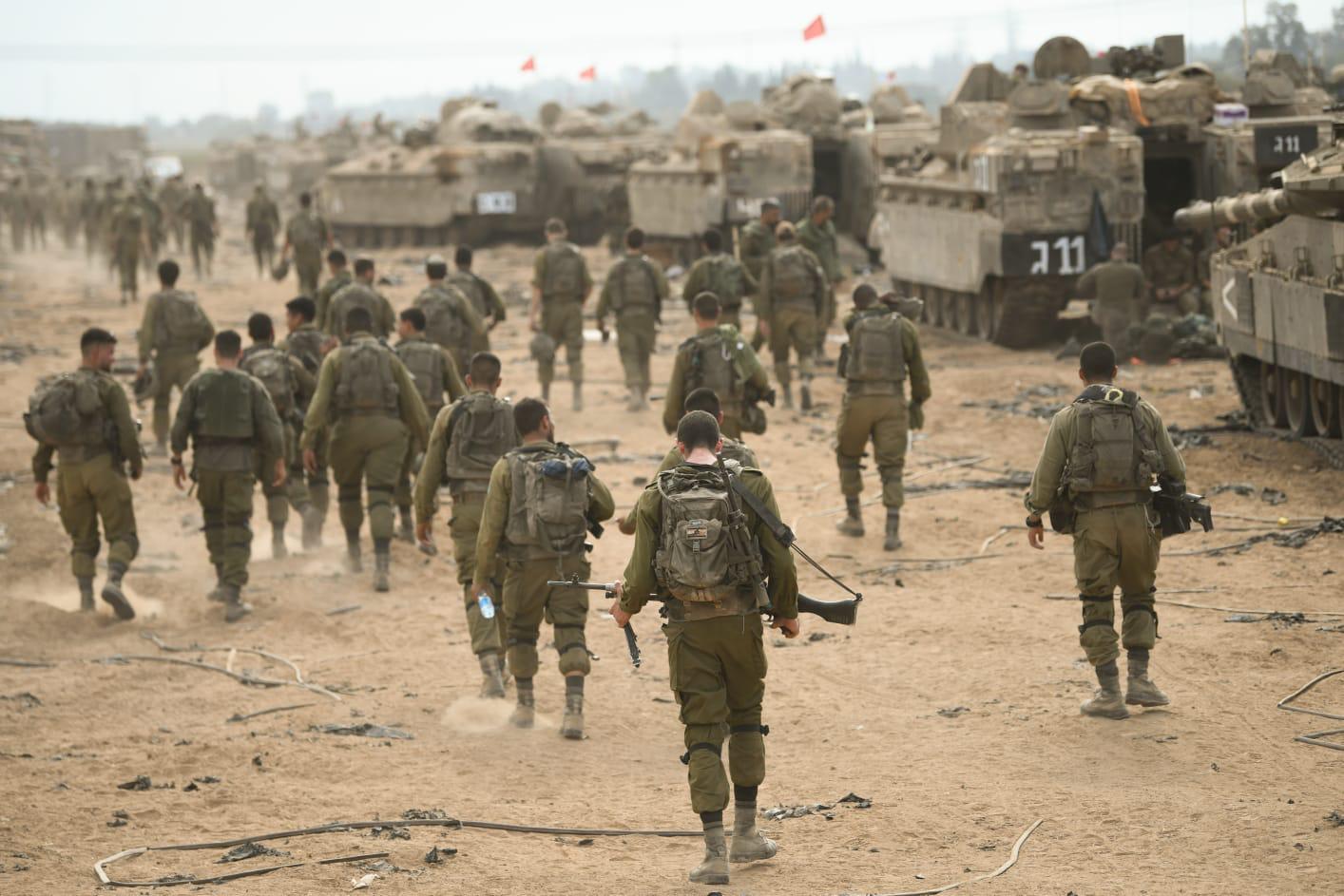
This dynamic is nothing new for the Security Council. But the world has witnessed it vividly with respect to Israel’s latest war against Hamas in Gaza, which has claimed more than 32,000 Palestinian lives and turned most of the enclave into ruins. And it may have already pushed some parts of northern Gaza into famine. On Friday, the U.S. tabled a draft resolution at the Security Council that condemned all acts of terrorism, called on all parties to obey international humanitarian law and emphasized the importance of establishing a cease-fire. For President Joe Biden’s administration, the effort was a common-sense approach to back up the ongoing diplomacy U.S. officials are conducting alongside Qatar and Egypt to accomplish a truce and get the remaining hostages out of Gaza.

Yet for others, the U.S.-drafted initiative was a cynical ploy that called for a cease-fire without explicitly doing so. The language the U.S. chose to use—“Determines the imperative of an immediate and sustained cease-fire”—was viewed by Russia and China as mealy-mouthed at best and cynical at worst. “The US draft is a thoroughly politicized document, which only aims at pulling on voters’ heartstrings before the US elections by throwing them a ‘bone’ in the form of at least some mention of a ‘ceasefire’ in Gaza,” Russia’s U.N. ambassador said after casting his vote.

Read at The Chicago Tribune

Author

Photo of Daniel DePetris

Daniel
DePetris

Fellow

Defense Priorities

More on Middle East

op-edMiddle East

The real problem with cozying up to the Saudis

By Benjamin Friedman and Rosemary Kelanic

December 5, 2025

op-edIran, Israel‑Hamas, Middle East

The case for diplomacy with Iran

By Geoff LaMear

December 5, 2025

op-edIsrael‑Hamas, Israel, Middle East

Donald Trump’s peace plan for Gaza is on life support

By Daniel DePetris

December 2, 2025

op-edIsrael‑Iran, Middle East, Nuclear weapons

Iran escalates nuclear stand off

By Daniel DePetris

November 22, 2025

Press ReleaseMiddle East, Alliances, Diplomacy

Keep the U.S.-Saudi relationship modest

By Rosemary Kelanic

November 19, 2025

op-edMiddle East, Alliances

Saudi Arabia and the U.S. are not allies—no matter what their leaders say

By Daniel DePetris

November 19, 2025

Events on Israel-Hamas

See All Events
virtualMiddle East, Basing and force posture, Diplomacy, Houthis, Iran, Iraq, Israel, Israel‑Hamas, Military analysis, Syria

Trump in the Middle East: Impacts, implications, and alternatives

May 16, 2025
virtualHouthis, Iran, Israel‑Hamas, Middle East, Yemen

Houthi conundrum: defend, degrade, or defer

March 28, 2024
virtualMiddle East, Iran, Israel‑Hamas, Israel‑Iran, Syria, Yemen

Keeping the U.S. out of war in the Middle East

January 16, 2024

Receive expert foreign policy analysis

Join the hub of realism and restraint

Expert updates and analysis to enhance your understanding of vital U.S. national security issues

Defense Priority Mono Logo

Our mission is to inform citizens, thought leaders, and policymakers of the importance of a strong, dynamic military—used more judiciously to protect America’s narrowly defined national interests—and promote a realistic grand strategy prioritizing restraint, diplomacy, and free trade to ensure U.S. security.

  • Research
  • Experts
  • About
  • For Media
  • Jobs
  • Donate
  • Privacy Policy
  • Terms and Conditions
  • Contact
© 2025 Defense Priorities All Right Reserved