Defense Priorities Defense Priorities
  • Policy Topics
    • US-Israel-Iran
    • Ukraine-Russia
    • Western Hemisphere
    • NATO
    • China
  • Analysis
    • Policy Papers
    • Symposia
    • Q&A
    • Polls
    • Grand Strategy Explained
    • Target Taiwan
  • Programs
    • Grand Strategy Program
    • Military Analysis Program
    • Asia Program
    • Middle East Program
  • Experts
  • Events
  • Media
  • About
    • Mission & Vision
    • People
    • Jobs
    • Contact
  • Donate
Select Page
Home / China / Does the Hellscape strategy undermine U.S. strategic ambiguity regarding Taiwan?
China, China‑Taiwan, Taiwan

July 11, 2024

Does the Hellscape strategy undermine U.S. strategic ambiguity regarding Taiwan?

By Demri Greggo

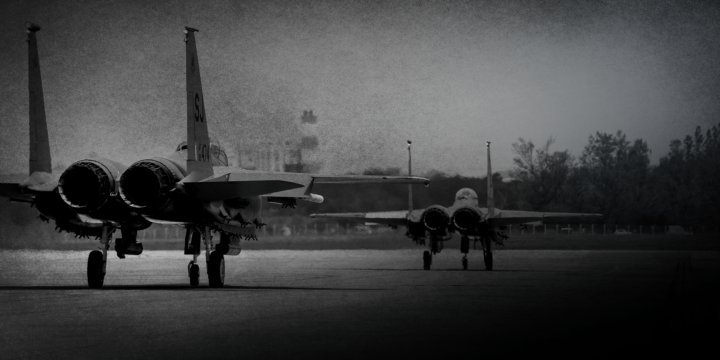
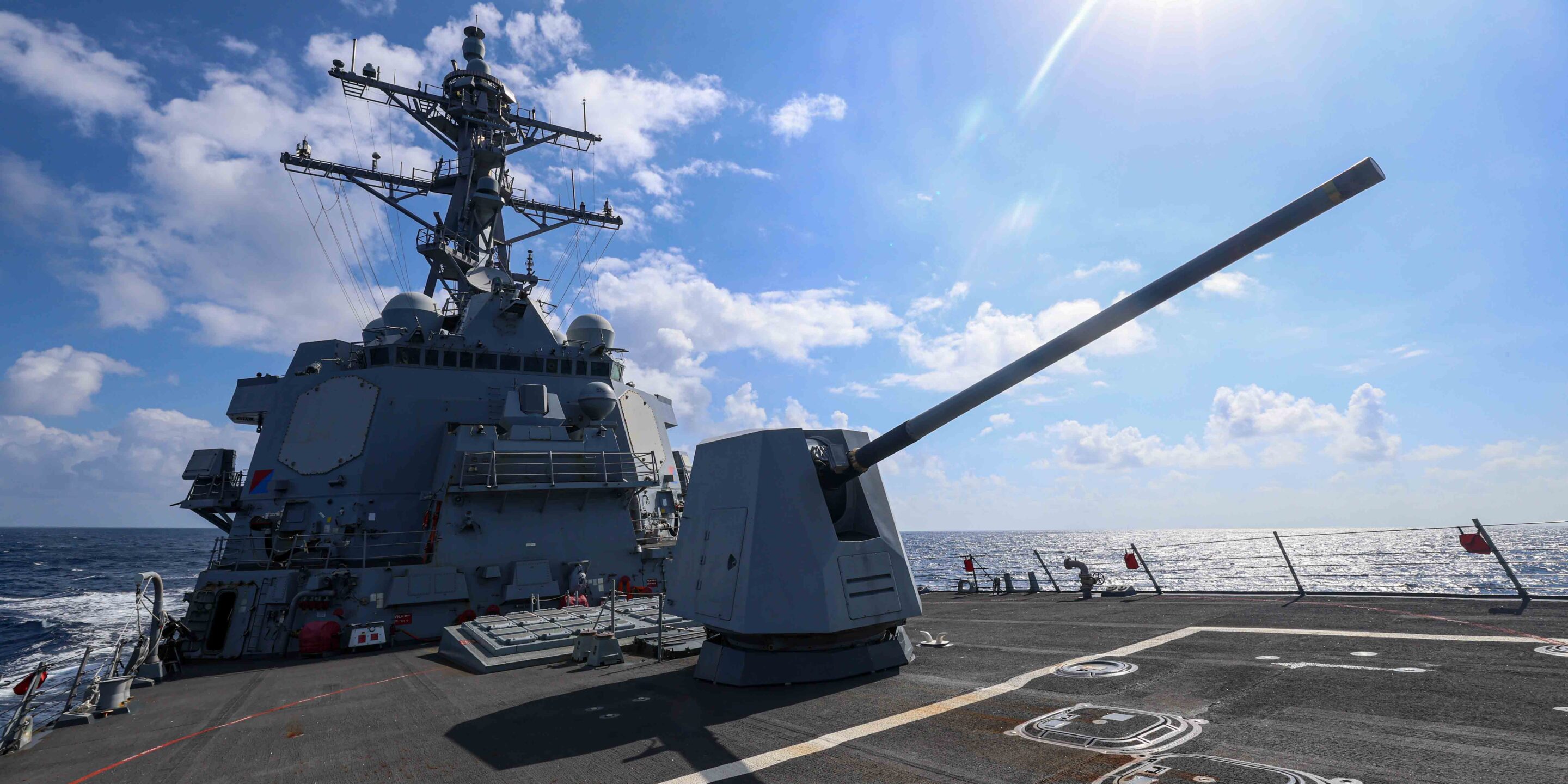
In the event that China attempts to consolidate control of Taiwan, USINDOPACOM commander Adm. Samuel Paparo detailed a strategy that may “turn the Taiwan Strait into an unmanned hellscape,” noting that he “can make their lives utterly miserable for a month, which buys me the time for the rest of everything.” According to the interview, the Hellscape strategy includes “deploying thousands of unmanned submarines, unmanned surface ships and aerial drones to flood the area and give Taiwanese, U.S. and partner forces time” to mount a response to a Chinese assault on Taiwan.

The Hellscape strategy appears to be a shaky attempt at deterrence. CIA Director William Burns expressed during an event last year that China may have the capability to consolidate Taiwan by 2027. There may be a sudden urgency in Washington to deter Beijing, and to do so quickly. The Hellscape strategy signals to China that the U.S. may contemplate a military response to a Chinese consolidation of Taiwan and that it’s working on ways to potentially stop that from happening.

Yet, publicizing the Hellscape strategy could unintentionally hasten Beijing’s efforts to gain control of Taiwan. If we assume that China may be ready to consolidate Taiwan by force by 2027, why would its leaders wait until the U.S. has the capability ready to defend it via the Hellscape strategy?

Read at Stars and Stripes

Author

Demri
Greggo

Former Contributing Fellow

Defense Priorities

More on Asia

In the mediaChina, Asia, China‑Taiwan

Trump, China and the question of selling arms to Beijing

Featuring Lyle Goldstein

September 29, 2026

Op-edChina‑Taiwan, Asia

The US needs a new Taiwan policy beyond strategic ambiguity

By Jennifer Kavanagh

September 25, 2026

In the mediaChina, Asia, Military analysis, Naval power

China’s next carrier could be its longest—what are Beijing’s plans?

Featuring Lyle Goldstein

September 25, 2026

Press ReleaseChina, Asia, Diplomacy

Trump-Xi summit should build on ‘constructive strategic stability’ framework

By Lyle Goldstein

September 23, 2026

In the mediaChina, Asia, China‑Taiwan, Taiwan

Trump and Xi Meet With the U.S. in an Unfamiliar Position: Weakened

Featuring Jennifer Kavanagh

September 22, 2026

In the mediaChina, Asia, China‑Taiwan

AI, Trade, Taiwan—Here’s What To Expect From The Trump-Xi DC Summit: Expert

Featuring Lyle Goldstein

September 21, 2026

Events on China

See All Events
virtualGreat power competition, Balance of power, China, Grand strategy, Middle East

U.S.-China competition and the value of Middle East influence

June 10, 2025
virtualChina, Alliances, Balance of power, Diplomacy, Grand strategy, Russia

China-Russia: Cooperation or a no-limits alliance?

April 3, 2025
virtualAsia, Basing and force posture, Burden sharing, China, Grand strategy

Rethinking U.S. strategy in East Asia: do more bases mean more deterrence?

January 24, 2024

Receive expert foreign policy analysis

Join the hub of realism and restraint

Expert updates and analysis to enhance your understanding of vital U.S. national security issues

Defense Priority Mono Logo

Our mission is to inform citizens, thought leaders, and policymakers of the importance of a strong, dynamic military—used more judiciously to protect America’s narrowly defined national interests—and promote a realistic grand strategy prioritizing restraint, diplomacy, and free trade to ensure U.S. security.

Defense Priorities Foundation is a 501(c)(3) non-profit organization supported entirely by American individuals and foundations—no funding comes from the U.S. government or any foreign government. Donations are unlimited and deductible for Federal Income Tax purposes.

  • Experts
  • Papers
  • Symposia
  • Q&A
  • Polls
  • Events
  • Media
  • Terms and Conditions
  • Privacy Policy
  • About
  • Jobs
  • Contact
  • Donate
© 2026 Defense Priorities Foundation. All rights reserved.