On Sept. 2, the Donald Trump administration killed 11 people by destroying a boat that allegedly was being used by the Venezuela-based Tren de Aragua gang to transport narcotics to the United States. The strike came with a message from Secretary of State Marco Rubio: Those who dare to ship drugs to the United States risk their lives.
But if the military operation in the southern Caribbean was meant to highlight just how serious the White House was about curtailing Latin America’s drug cartels, it also demonstrated the haphazard, disjointed and downright confusing policy Washington has with respect to Venezuela.
During the Trump administration’s first few weeks in office, it appeared as if Washington and Caracas, adversaries for the last two decades, were in the process of mending relations. On Jan. 31, Richard Grenell, Trump’s special envoy, met with Venezuelan President Nicolas Maduro and returned with six Americans who were languishing in Venezuela’s prison system. The United States and Venezuela struck a migration accord, with Maduro agreeing to accept Venezuelan deportees. And in July, Trump provided Chevron, the U.S. energy company, with a temporary license to resume pumping Venezuelan oil for export to the United States.
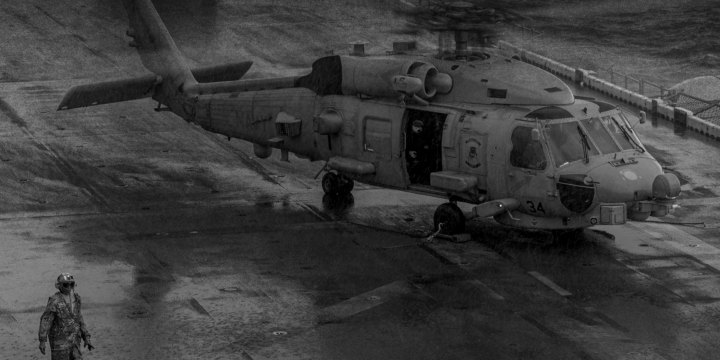
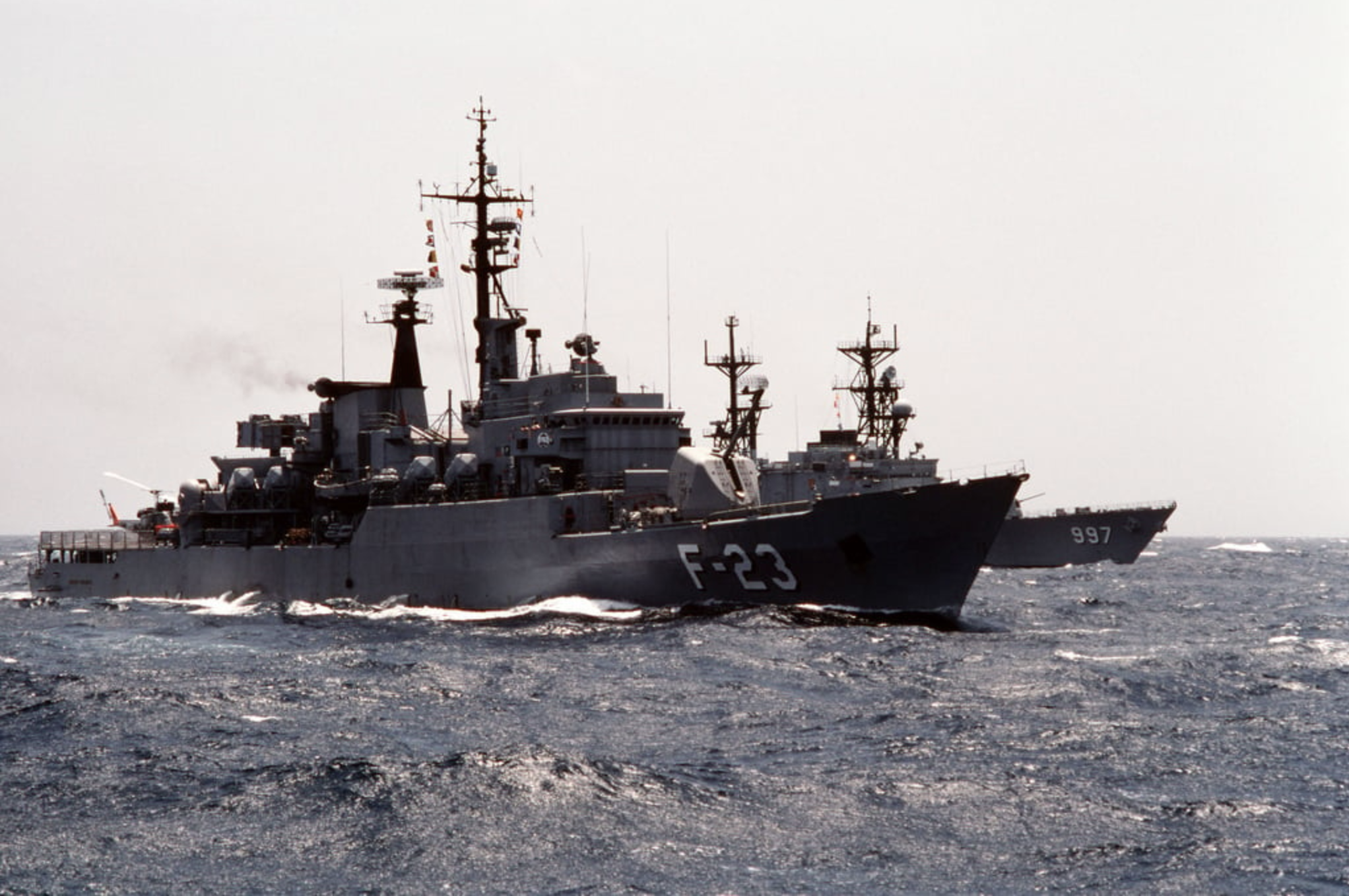
Yet in the grand scheme, U.S.-Venezuelan relations are fast deteriorating. The Trump administration blames Venezuela reneging on the migration deal. In August, the U.S. Justice Department doubled the bounty on Maduro, who in 2020 was indicted on a slew of narcotrafficking charges, to an astounding $50 million. Meanwhile, eight U.S. warships are currently stationed near Venezuela’s shores. The Trump administration also deployed 10 fighter aircraft to Puerto Rico, giving the White House even more resources to continue the kinds of militarized counternarcotics operations we saw last week.
Author

More on Western Hemisphere