Defense Priorities Defense Priorities
  • Policy Topics
    • US-Israel-Iran
    • Ukraine-Russia
    • Western Hemisphere
    • NATO
    • China
    • Syria
  • Analysis
    • Research
    • Q&A
  • Programs
    • Grand Strategy Program
    • Military Analysis Program
    • Asia Program
    • Middle East Program
  • Experts
  • Events
  • Media
  • About
    • Mission & Vision
    • People
    • Jobs
    • Contact
  • Donate
Select Page
Home / Grand strategy / ‘Blinking red’: The risk to America’s national security greater than appears
Grand strategy, China, China‑Taiwan, Global posture, Iran, North Korea, Russia, Taiwan, Ukraine

August 1, 2024

‘Blinking red’: The risk to America’s national security greater than appears

By Daniel Davis

Former Rep. Jane Harmon, co-chair of the congressionally mandated Commission on the National Defense Strategy to assess the viability of America’s defense strategy, warned in a just-released report that the security environment for the United States is “blinking red.” While the report details a number of valid concerns, it is what the report doesn’t say that should be most alarming.

There is a major and alarming imbalance between the United States’ stated strategic objectives and the resources necessary to attain them. This imbalance cannot be rectified by spending more money on national defense. What is needed—desperately needed—is an immediate recognition that without major changes in our foreign policy and military capacity, we place our very national security at unacceptable risk.

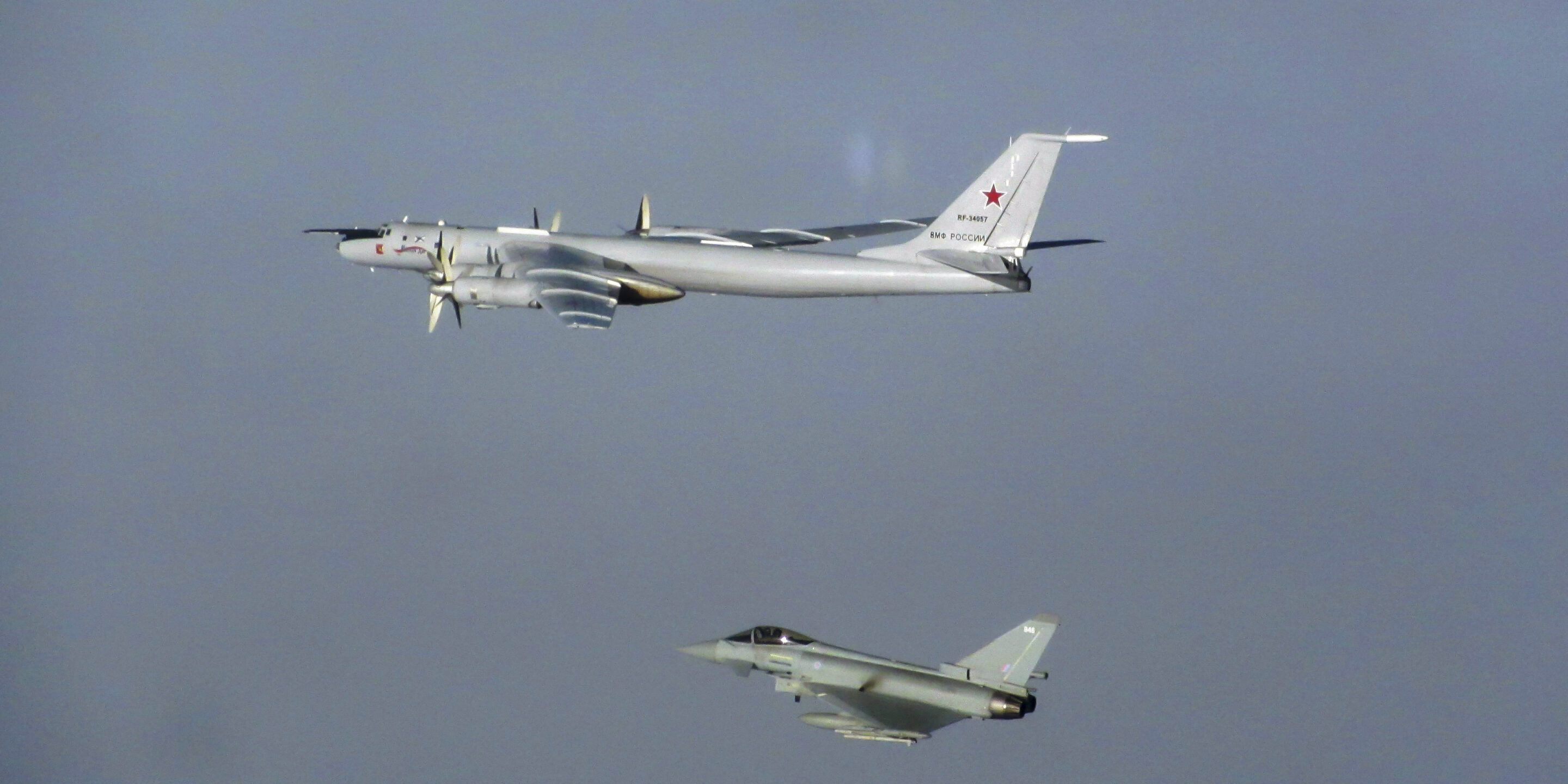
The report warns that since Russia’s invasion of Ukraine in 2022, the “no-limits” partnership between China and Russia “has only deepened and broadened to include a military and economic partnership with Iran and North Korea.” This new alignment of nations opposed to U.S. interests, the report continued, “creates a real risk, if not likelihood, that conflict anywhere could become a multi-theater or global war.”

America, the authors contend, “is unable to meet the equipment, technology, and munitions needs of the United States and its allies and partners,” to engage in such a global fight. To change that dynamic, they argue the U.S. needs to create “much greater capacity to produce, maintain, and replenish weapons and munitions. Addressing the shortfall will require increased investment, additional manufacturing and development capacity, joint and coproduction with allies, and additional flexibility in acquisition systems.”

Read at Stars and Stripes

Author

Photo of Daniel Davis

Daniel
Davis

Senior Fellow & Military Expert

Defense Priorities

More on Asia

Op-edChina‑Taiwan, Asia, China

Trump-Xi Taiwan talks could defuse the tinderbox

By Thomas P. Cavanna

March 6, 2026

Op-edTaiwan, Asia, China‑Taiwan

Taiwan’s Defense Budget Dilemma

By Lyle Goldstein

March 2, 2026

Op-edAsia

U.S. missile deliveries to Philippines are pointless and escalatory

By Thomas P. Cavanna

February 27, 2026

In the mediaChina‑Taiwan, Asia, China

U.S. arms sale to Taiwan clashes with Trump’s desire to strike trade deal with China

Featuring Lyle Goldstein

February 22, 2026

In the mediaChina‑Taiwan, Asia, China, Taiwan

On Taiwan and Japan, Chinese belligerence backfires

Featuring Lyle Goldstein

February 22, 2026

Op-edAsia, China, Taiwan

The risks and opportunities of Sanae Takaichi’s big triumph in Japan

By Lyle Goldstein

February 20, 2026

Events on Grand strategy

See All Events
virtualGrand strategy, Military analysis

Assessing the 2026 NDS: How does it deal with defense deficits?

February 9, 2026
virtualEurope and Eurasia, Asia, Grand strategy

Assessing the 2026 NDS: Alignment with restraint?

February 9, 2026
virtualGlobal posture, Grand strategy, Military analysis

Assessing the 2026 NDS: What comes next?

February 9, 2026

Receive expert foreign policy analysis

Join the hub of realism and restraint

Expert updates and analysis to enhance your understanding of vital U.S. national security issues

Defense Priority Mono Logo

Our mission is to inform citizens, thought leaders, and policymakers of the importance of a strong, dynamic military—used more judiciously to protect America’s narrowly defined national interests—and promote a realistic grand strategy prioritizing restraint, diplomacy, and free trade to ensure U.S. security.

  • Research
  • Experts
  • About
  • For Media
  • Jobs
  • Donate
  • Privacy Policy
  • Terms and Conditions
  • Contact
© 2026 Defense Priorities Foundation. All rights reserved.