As all eyes remain on the U.S. war in Iran, another international development may throw a wrench into one of America’s most valuable foreign relationships.
On April 29, the U.S. Justice Department unsealed indictments against 10 current and former Mexican politicians and officials charging them with colluding with the very drug cartels they’re supposed to be combating. One of the men, Rubén Rocha Moya, is the governor of the Mexican state of Sinaloa infamous for the drug-infused violence that many Americans associate with Mexico. The allegations against Moya are especially damning. According to the document, the senior Mexican politician met frequently with the children of Joaquín Guzmán Loera, known as “El Chapo,” when he was running for governor in 2021 and came to an arrangement: In exchange for the Sinaloa Cartel stealing votes on his behalf and cowing the political opposition into silence, Moya would essentially allow the cartel to operate with impunity.
Of course, Mexican officialdom working with criminals is not exactly a new phenomenon. Before Mexico turned into a multiparty democracy at the turn of the century, the Institutional Revolutionary Party, which dominated the country’s politics for seven decades, struck deals with Mexican cartels to keep the peace and ensure that criminal organizations weren’t fighting each other for turf. Turning a blind eye in exchange for bribes was the cost of doing business. And it still is; the poster child for such corruption is Genaro García Luna, who during his stint as Mexico’s top law enforcement official got rich collaborating with the same cartels he was responsible for eradicating. García Luna was arrested and sent to the United States for trial, where he was sentenced to nearly 40 years.
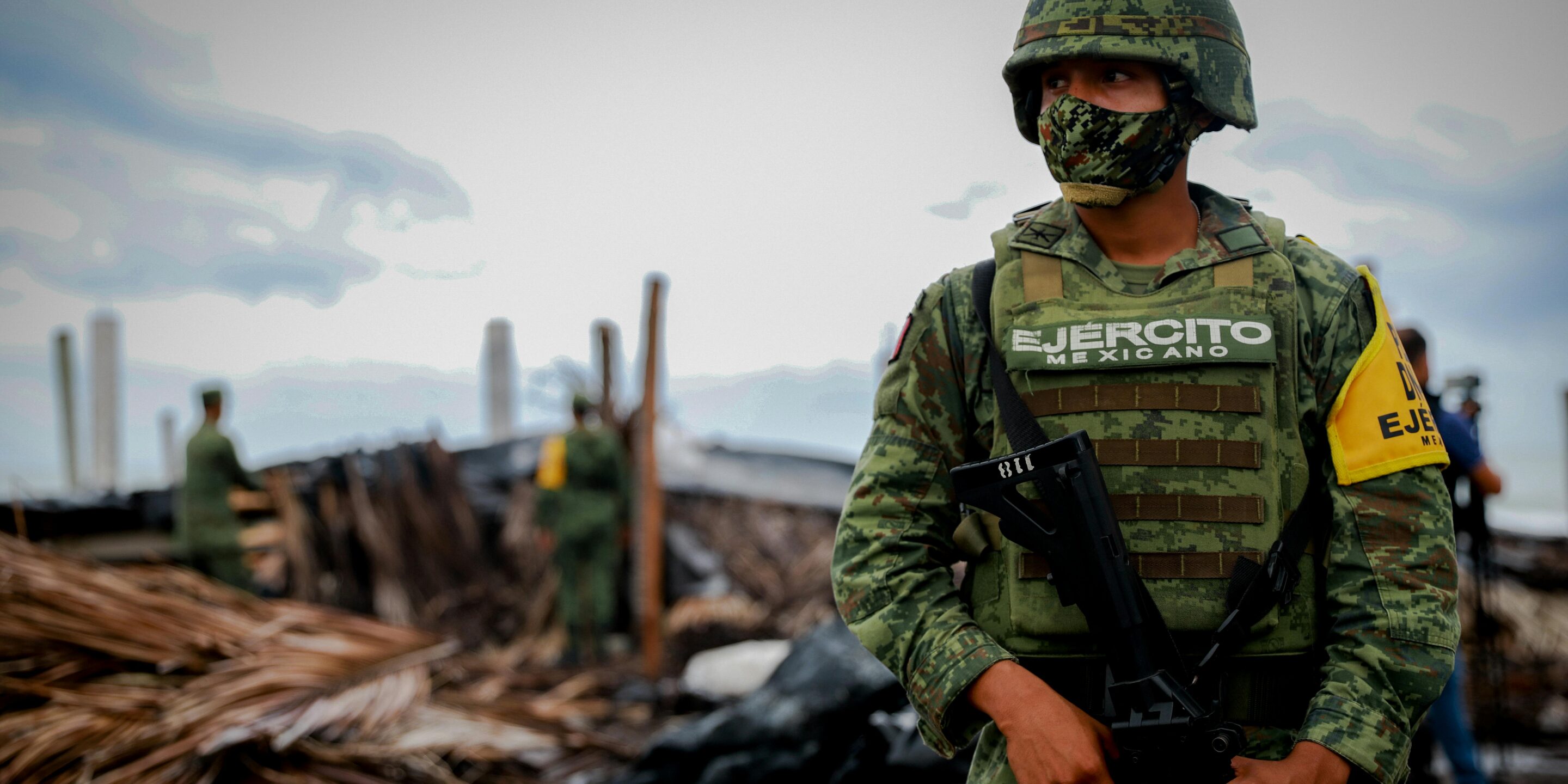
However, the difference this time is that the U.S.-Mexico relationship, particularly on counternarcotics issues, is better than many analysts would have expected during the Trump administration. President Donald Trump gets along fairly well with Mexican President Claudia Sheinbaum, which may come as a shock given Trump’s propensity to threaten unilateral U.S. military action on Mexican soil. Cooperation between the U.S. and Mexico, especially when it comes to nabbing high-profile cartel kingpins, has for the most part been seamless. Consider the takedown in February of Nemesio Rubén Oseguera Cervantes, otherwise known as El Mencho, the leader of the Jalisco New Generation Cartel, Mexico’s biggest criminal organization. El Mencho’s death was supported by U.S. surveillance assets, which provided Mexican forces with the precise information they needed to flush him out. The capture of Audias Flores Silva, one of El Mencho’s lieutenants, on April 27 was another case of Washington and Mexico City coming together in pursuit of a common objective.
Author