Defense Priorities Defense Priorities
  • Policy Topics
    • US-Israel-Iran
    • Ukraine-Russia
    • Western Hemisphere
    • NATO
    • China
  • Analysis
    • Policy Papers
    • Symposia
    • Q&A
    • Polls
    • Grand Strategy Explained
    • Target Taiwan
  • Programs
    • Grand Strategy Program
    • Military Analysis Program
    • Asia Program
    • Middle East Program
  • Experts
  • Events
  • Media
  • About
    • Mission & Vision
    • People
    • Jobs
    • Contact
  • Donate
Select Page
Home / Yemen / America is losing the long game in the Red Sea
Yemen, Houthis, Middle East

October 29, 2024

America is losing the long game in the Red Sea

By Andrew Jarocki

America is at war in the Red Sea. It’s tactically winning and strategically losing.

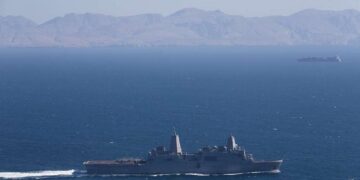
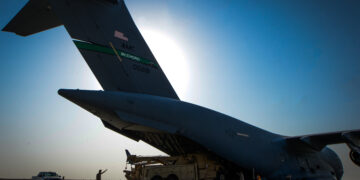
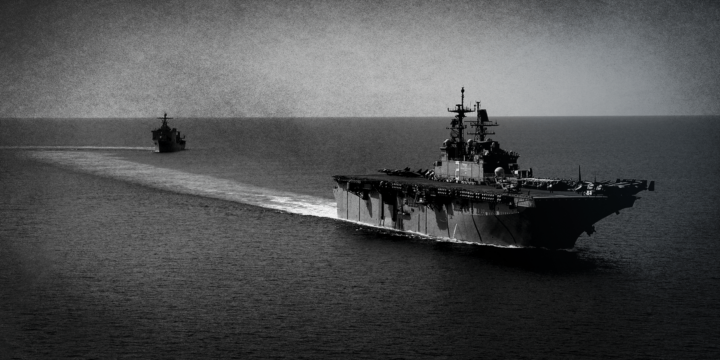
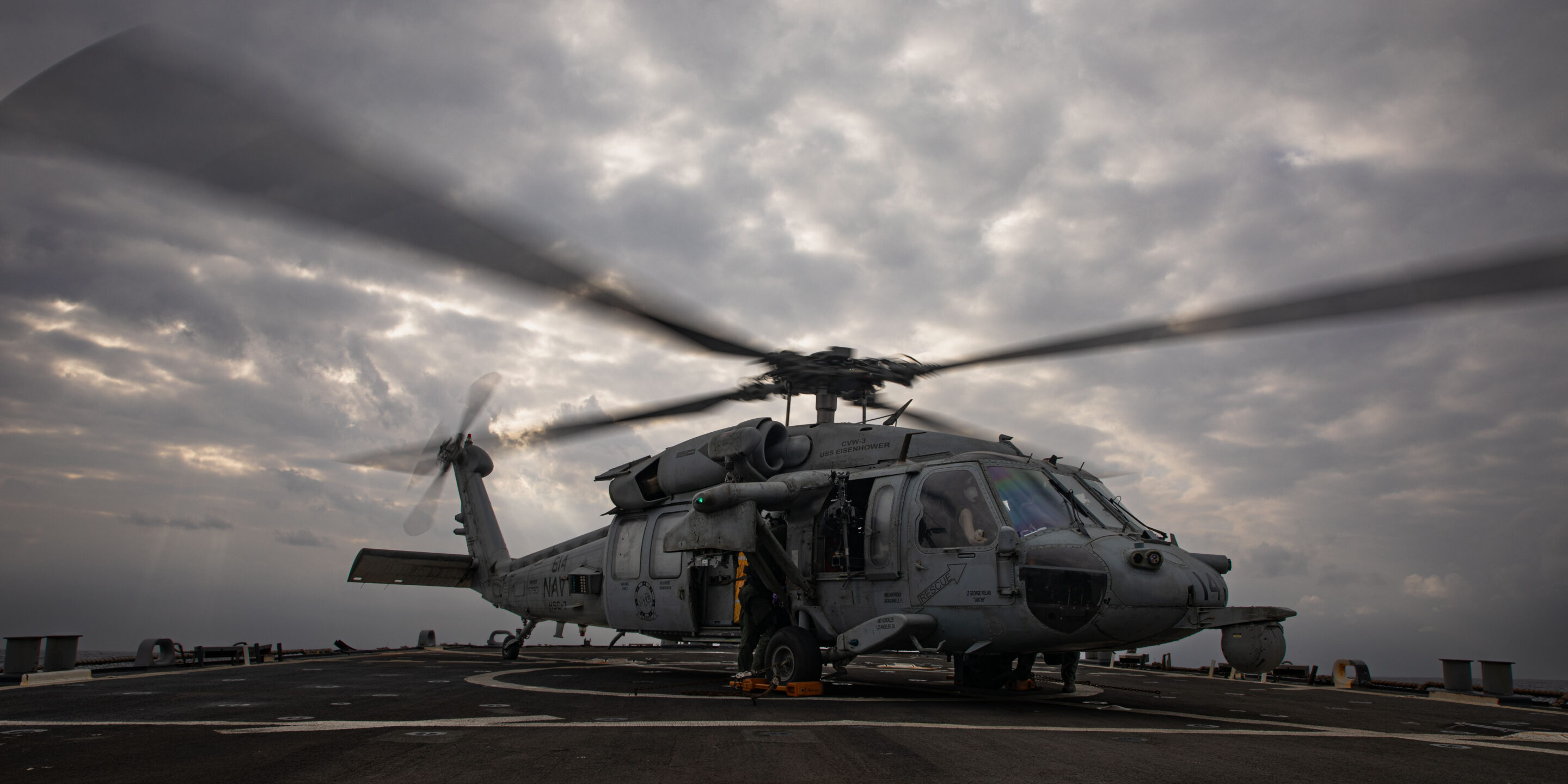
Seven thousand sailors—the largest naval deployment since World War II—have worked tirelessly to shoot down hundreds of Houthi drones and missiles in defense of maritime trade. Dozens of airstrikes and multiple aircraft carriers have rounded out an epic show of American military might in the region since last year’s announcement of Operation Prosperity Guardian.

Yet all that hardware and people put in harm’s way to defeat Houthi antagonism in the Bab el Mandab Strait has been as effective as killing a swarm of mosquitos with a bazooka.

The U.S. plays a costly game of whack-a-mole, swatting $10,000 Houthi drones with $4 million missiles. This “cost of kill” problem is worsened by radically different definitions of victory between the two sides. While the U.S. mission requires defending every ship from every attack, 5th Fleet Commander Vice Adm. George Wikoff admits “the Houthis have to get lucky once” to score a hit on American forces and celebrate a tremendous propaganda victory.

Despite constant American air raids, the Houthis persist. The vice chair of the United Nations-recognized Yemeni government, now entering its second decade of war with the Houthis, recently observed “the airstrikes, instead of deterring the Houthis, are having the opposite effect.”

Read at Stars and Stripes

Author

Andrew
Jarocki

Contributing Fellow

Defense Priorities

More on Middle East

ExplainerUS‑Israel‑Iran, Iran, Middle East

A security dilemma made worse: How war with Iran backfired

By Rosemary Kelanic

August 5, 2026

Op-edUS‑Israel‑Iran, Iran, Middle East

Poor strategy doomed U.S. in the war with Iran

By Daniel Davis

August 5, 2026

Op-edMiddle East, Nuclear weapons

The U.S.-Saudi Nuclear Deal Is a Symptom of Middle East Policy Delusions

By Adam Gallagher

August 4, 2026

Op-edIsrael‑Hamas, Middle East

Comprehensive peace in Gaza is still just a dream

By Daniel DePetris

August 4, 2026

Op-edGrand strategy, Iran, US‑Israel‑Iran

The Real Munitions Shortage Transcends the Iran War

By Jennifer Kavanagh

August 3, 2026

In the mediaUS‑Israel‑Iran, Iran, Middle East

Middle East latest: Trump announces pause in new Iran strikes, making way for peace talks

Featuring Daniel Davis

August 2, 2026

Events on Yemen

See All Events
virtualHouthis, Iran, Israel‑Hamas, Middle East, Yemen

Houthi conundrum: defend, degrade, or defer

March 28, 2024
virtualMiddle East, Iran, Israel‑Hamas, Israel‑Iran, Syria, Yemen

Keeping the U.S. out of war in the Middle East

January 16, 2024

Receive expert foreign policy analysis

Join the hub of realism and restraint

Expert updates and analysis to enhance your understanding of vital U.S. national security issues

Defense Priority Mono Logo

Our mission is to inform citizens, thought leaders, and policymakers of the importance of a strong, dynamic military—used more judiciously to protect America’s narrowly defined national interests—and promote a realistic grand strategy prioritizing restraint, diplomacy, and free trade to ensure U.S. security.

  • Experts
  • Papers
  • Symposia
  • Q&A
  • Polls
  • Events
  • Media
  • Terms and Conditions
  • Privacy Policy
  • About
  • Jobs
  • Contact
  • Donate
© 2026 Defense Priorities Foundation. All rights reserved.