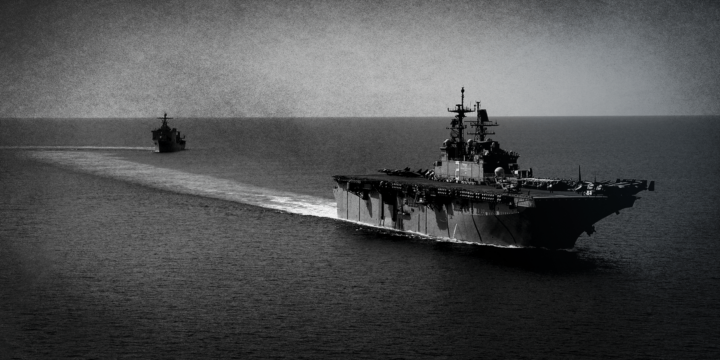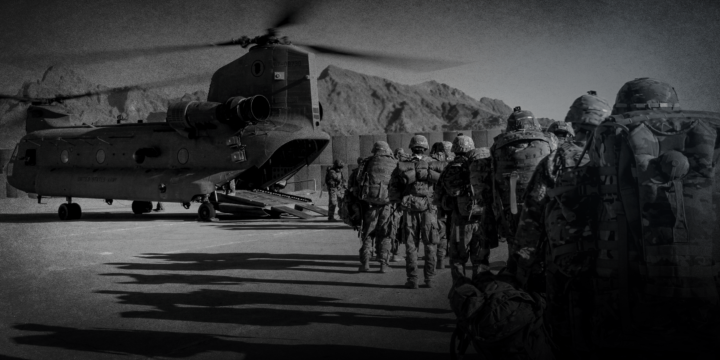
For weeks, the United States has publicly deliberated attacking Iran for the second time in less than a year. Iran responded in a largely symbolic fashion after attacks on its nuclear facilities in June 2025, ultimately leading to de-escalation. But the Islamic Republic is now weaker than ever, facing intense internal unrest on the heels of U.S. and Israeli moves over the last two years that have greatly weakened the regime. Given the existential stakes, Tehran has a strong incentive to respond in brutal fashion to a U.S. attack. Indeed, the country’s supreme leader has threatened to ignite a “regional war.” This is an outcome Washington should avoid, especially given the risks this would pose to U.S. troops in the region.
Military options against Iran have little strategic upside and threaten numerous unintended consequences that would destabilise the region and harm U.S. interests. On the other hand, diplomacy with Iran—which poses no threat to the U.S.—has very few drawbacks. The indirect talks held in Oman on February 6 were a good first step. But if diplomacy fails, the U.S. can simply walk away. While it would be better for U.S. interests to find a modus vivendi with Tehran, a stalemated status quo is certainly better than an all-out regional war.
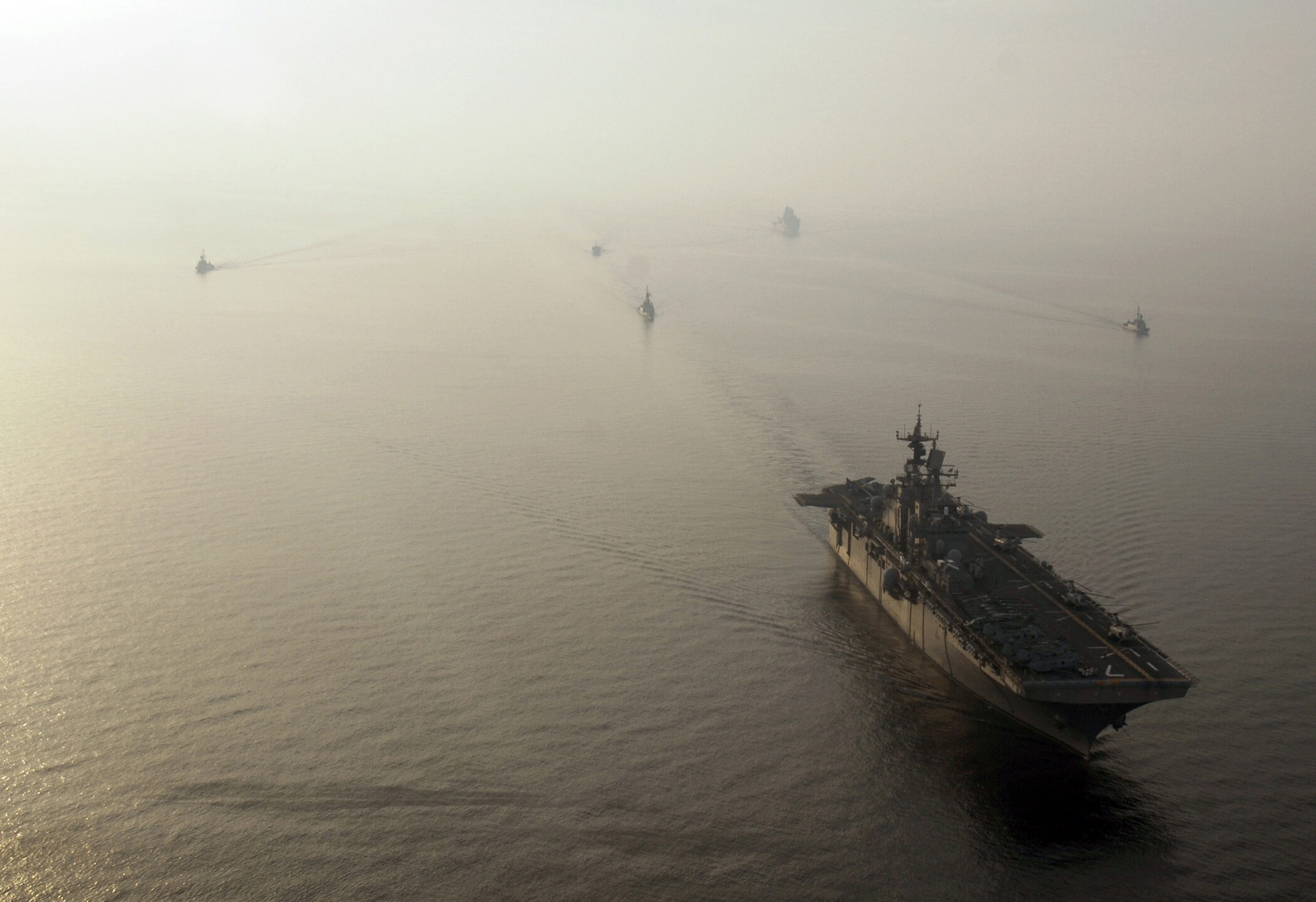
In mid-January, President Trump told Iranians “help is on its way” amid the regime’s draconian repression of a widespread protest movement, suggesting an impending U.S. strike. At the time, the administration’s reasoning for using force was to help overthrow the regime. That rationale has shifted over the subsequent weeks amid a buildup of U.S. military assets in the region.
Author

More on Middle East





Events on Iran