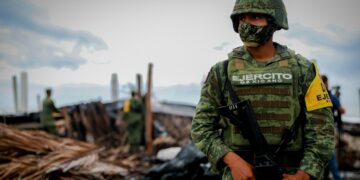
In the early morning on Jan. 3, U.S. special operations forces executed a daring raid against Venezuelan dictator Nicolas Maduro’s location at a heavily guarded military base in Caracas. The operation went flawlessly; after simultaneous airstrikes to degrade the Maduro regime’s air defense systems, U.S. forces in low-flying helicopters assaulted the base, killed Maduro’s Cuban bodyguards, and whisked him and his wife, Cilia Flores, to the USS Iwo Jima. At the time of writing, Maduro is sitting in the Metropolitan Detention Center in Brooklyn, New York after being arraigned on multiple charges of drug trafficking, the consequence of an indictment originally filed in 2020 by the U.S. Southern District of New York. Since then, Trump has claimed that the United States will run Venezuela’s internal affairs until an orderly political transition process takes place. Of course, how the Trump administration plans to implement such a weighty objective remains to be seen; while Maduro may now be a criminal defendant, his regime is still in place.
Trump clearly viewed Maduro with the utmost hostility, a rollover from his first term, when the administration enacted a series of increasingly harsh economic sanctions against Venezuela’s energy industry and recognized Juan Guaidó, the leader of the anti-Maduro opposition movement, as the legitimate president of Venezuela. The gambit ultimately failed to produce the regime change Trump and his advisers were aiming for. This time, Trump added a military dimension to his previous maximum pressure strategy, striking more than 30 boats allegedly carrying drugs off the coasts of Venezuela and Colombia, ordering periodic military exercises near Venezuela’s coast in preparation for the operation against Maduro and deploying the largest U.S. military presence in the Caribbean since the 1962 Cuban missile crisis.
While nobody will shed a tear for Maduro’s ouster, the Trump administration’s shifting rationale for why a U.S. military operation in Venezuela was necessary was suspect. For instance, the claim that Maduro’s regime was orchestrating a grand conspiracy to weaken the United States by weaponizing the drug trade is at best inaccurate, if not sensationalist. Such an accusation gave Maduro too much credit, dumbed down the perennial drug trafficking problem that has been an albatross around Washington’s neck for decades and implied that removing the former bus driver turned political boss would magically eliminate the drug trade. The reality is the drugs will continue flowing to the United States regardless of who rules Venezuela.
Featuring

More on Western Hemisphere