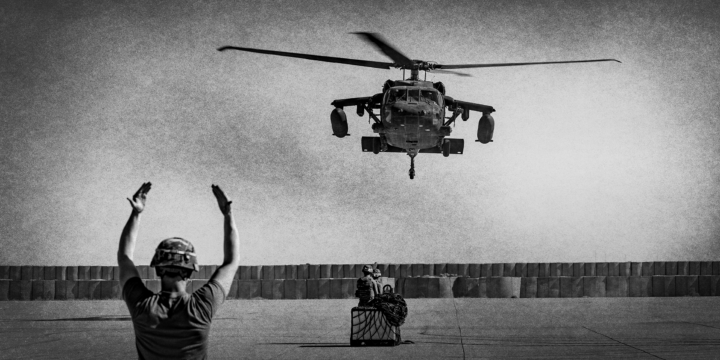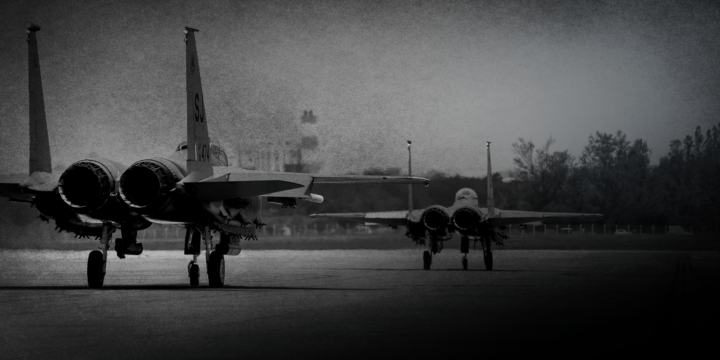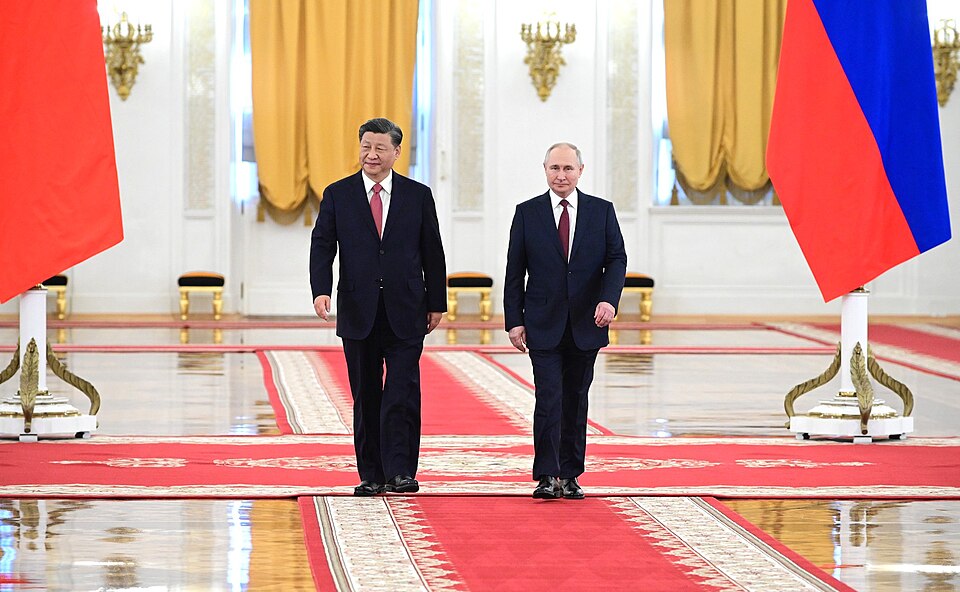
Lyle Goldstein, Asia Program director at Washington-based think tank Defense Priorities, expects collaboration in 2027 and beyond to encompass “drone warfare, drone defense, air and missile defense, electronic warfare, and undersea warfare.”
“Absent U.S. and European pressure, I expect China-Russia collaboration to increase going into 2027,” Ziemer said.
The relationship still has limits. China reportedly restricted Russian access to advanced Chinese chips and precision machinery when sales might expose Chinese companies to Western sanctions, while Russia has prosecuted scientists accused of sharing sensitive information with China.
C4ADS recommends coordinated sanctions and export controls, stronger enforcement, investment in Western innovation and separate diplomacy with Beijing and Moscow.
Ziemer said Washington and its allies “should seek to raise the costs of collaboration for China and Russia,” including through selective pressure on Chinese research links and exports.
Goldstein was more skeptical. “I do not think sanctions make much difference now,” he said, citing Russia’s existing sanctions burden and Chinese countermeasures.
Featuring

More on Asia




Events on China