Defense Priorities Defense Priorities
  • Policy Topics
    • US-Israel-Iran
    • Ukraine-Russia
    • Western Hemisphere
    • NATO
    • China
    • Syria
  • Analysis
    • Research
    • Q&A
  • Programs
    • Grand Strategy Program
    • Military Analysis Program
    • Asia Program
    • Middle East Program
  • Experts
  • Events
  • Media
  • About
    • Mission & Vision
    • People
    • Jobs
    • Contact
  • Donate
Select Page
Home / Middle East / Drawdowns in Iraq and Afghanistan are more responsible than staying forever
Middle East, Afghanistan, Iraq

November 17, 2020

Drawdowns in Iraq and Afghanistan are more responsible than staying forever

By Edward King

FOR IMMEDIATE RELEASE:
November 17, 2020
Contact: press@defensepriorities.org

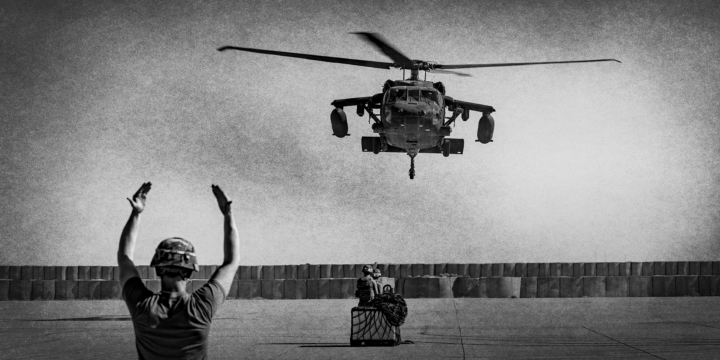
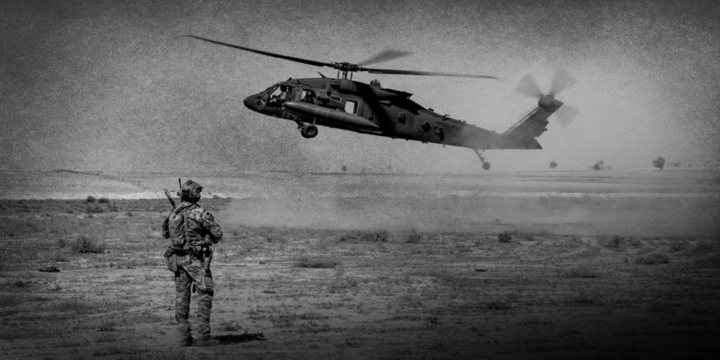
WASHINGTON, DC—Today, the Pentagon announced a drawdown of U.S. forces from Afghanistan and Iraq, reducing our presence to 2,500 in each country by January 15, 2021. Defense Priorities President Edward King issued the following statement in response:

“Reducing U.S. troop levels to 2,500 in both Afghanistan and Iraq is responsible—it would be irresponsible to not get to zero. The ongoing military occupations of Afghanistan, Iraq, Syria, and the greater Middle East are costly mistakes that come at the expense of higher defense priorities.

“Talk of a ‘conditions-based’ withdrawal is a stalking horse for staying indefinitely, or forever. There is no such thing as an immaculate withdrawal from these conflicts, and there’s no reason to think the ground reality will improve after nearly 20 years of waiting.

“The February 2020 U.S.-Taliban agreement set a timeline to remove all U.S. forces by May 2021. There is nothing that should delay or derail progress toward bringing all our troops home by that deadline.”

Author

Photo of Edward King

Edward
King

Founder & President

Defense Priorities

More on Middle East

Op-edUS‑Israel‑Iran, Iran, Middle East

Is an Off-Ramp With Iran Possible?

By Daniel DePetris

March 10, 2026

Op-edUS‑Israel‑Iran, Iran, Middle East

Militarily, the Iran war is a success. But what are the U.S. goals?

By Daniel DePetris

March 10, 2026

Op-edUS‑Israel‑Iran, Iran, Middle East

Trump’s war against Iran is uniquely unpopular among U.S. military actions of the past century

By William Walldorf

March 10, 2026

Op-edUS‑Israel‑Iran, Iran, Middle East

Trump Is making Jimmy Carter’s mistake on Iran and oil

By Rosemary Kelanic

March 9, 2026

Op-edUS‑Israel‑Iran, Iran, Middle East

Take the win. Stop the war.

By William Walldorf

March 9, 2026

Op-edUkraine‑Russia, Europe and Eurasia, Iran, Middle East, Russia, Ukraine, US‑Israel‑Iran

Is Ukraine peace toast, now that the Middle East is on fire?

By Jennifer Kavanagh

March 9, 2026

Events on Middle East

See All Events
virtualMiddle East

What’s Next for U.S. Foreign Policy in 2026? Middle East Edition

January 14, 2026
virtualGreat power competition, Balance of power, China, Grand strategy, Middle East

U.S.-China competition and the value of Middle East influence

June 10, 2025
virtualMiddle East, Basing and force posture, Diplomacy, Houthis, Iran, Iraq, Israel, Israel‑Hamas, Military analysis, Syria

Trump in the Middle East: Impacts, implications, and alternatives

May 16, 2025

Receive expert foreign policy analysis

Join the hub of realism and restraint

Expert updates and analysis to enhance your understanding of vital U.S. national security issues

Defense Priority Mono Logo

Our mission is to inform citizens, thought leaders, and policymakers of the importance of a strong, dynamic military—used more judiciously to protect America’s narrowly defined national interests—and promote a realistic grand strategy prioritizing restraint, diplomacy, and free trade to ensure U.S. security.

  • Research
  • Experts
  • About
  • For Media
  • Jobs
  • Donate
  • Privacy Policy
  • Terms and Conditions
  • Contact
© 2026 Defense Priorities Foundation. All rights reserved.