Defense Priorities Defense Priorities
  • Policy Topics
    • Venezuela
    • China
    • Israel-Hamas
    • Ukraine-Russia
    • NATO
    • Syria
  • Analysis
    • Research
    • Q&A
  • Programs
    • Grand Strategy Program
    • Military Analysis Program
    • Asia Program
    • Middle East Program
  • Experts
  • Events
  • Media
  • About
    • Mission & Vision
    • People
    • Jobs
    • Contact
  • Donate
Select Page
Home / Israel-Hamas / Israel and Hamas’ peace deal brings relief—and a long road of negotiations ahead
Israel‑Hamas, Israel, Middle East

October 9, 2025

Israel and Hamas’ peace deal brings relief—and a long road of negotiations ahead

By Daniel DePetris

Israeli Prime Minister Benjamin Netanyahu’s Cabinet on Thursday approved the first phase of President Donald Trump’s 20-point peace plan that was rolled out nine days earlier. In exchange for Hamas releasing the rest of the Israeli hostages, 20 of whom are believed to still be alive, the Israel Defense Forces will institute a ceasefire and implement a partial withdrawal from its current positions. The hostages will reportedly be set free by Sunday or Monday, although it may take additional time for Hamas to locate the bodies of those who have died.

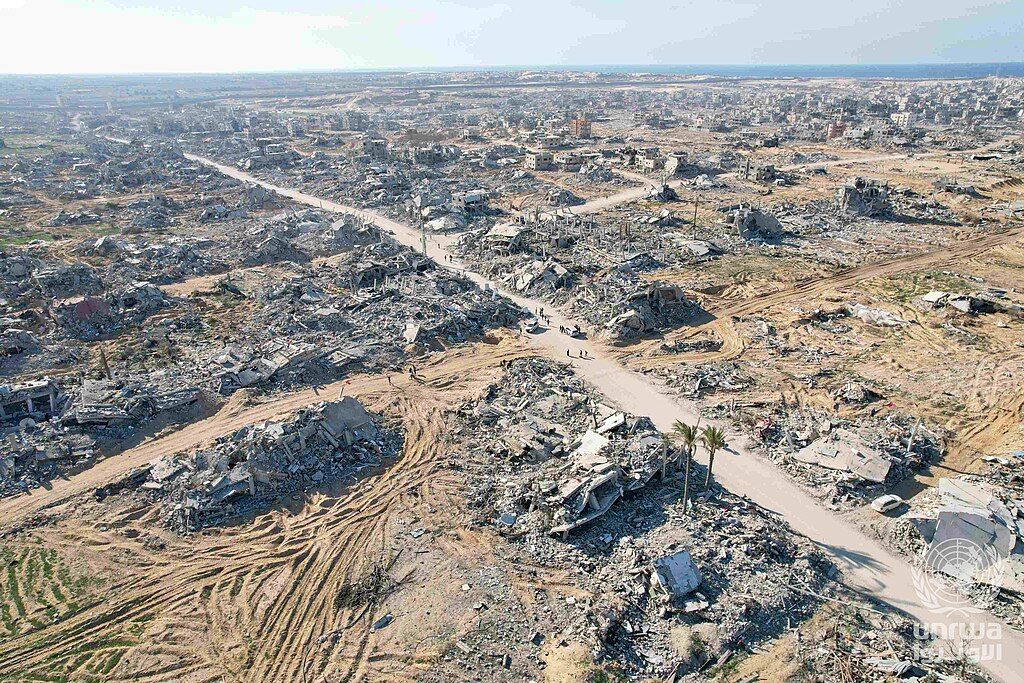
Either way, one can’t avoid feelings of relief. The celebrations are hard to miss; for the roughly 2 million Palestinians in Gaza who have been living through hell over the last two years, the ceasefire will provide much-needed respite from a war that has gutted the entire coastal territory, ruined its already dilapidated health care system and destroyed approximately 90% of its homes. In Israel, the families of the remaining hostages who are alive, who have been pressing Netanyahu to sign an agreement that ends the war, will soon have their loved ones back in their arms. Trump, predictably, is quite pleased: “This is a great day for the world,” he said hours after the deal concluded. “This is a wonderful day, a wonderful day for everybody.”

Yet, as understandable as it may be to bask in this success, we shouldn’t get ahead of ourselves. It’s important to reiterate that Israel and Hamas have only come to terms on the first phase of Trump’s peace plan, not the entire thing. And Trump has a tendency to declare historic success and quickly move on to other things. But this approach won’t work on an issue as loaded and fraught as the Israeli-Palestinian file, which means his administration will need to keep up the pressure on all sides if it truly wants to prevent another round of fighting down the line. If Israel, Hamas or both come to the conclusion that they can wiggle out of their commitments, we should expect they most certainly will.

Read at MSNBC

Author

Photo of Daniel DePetris

Daniel
DePetris

Fellow

Defense Priorities

More on Middle East

op-edIsrael‑Hamas, Israel, Middle East

Stay cool, Mr Trump

By Daniel DePetris

November 5, 2025

op-edIsrael, Middle East

The Israel-Lebanon ceasefire is in danger of shattering

By Daniel DePetris

November 4, 2025

op-edMiddle East

A U.S.-Saudi Arabia security pact is a terrible idea

By Alexander Langlois

November 4, 2025

op-edIsrael‑Hamas, Israel, Middle East

There is no ceasefire in Gaza

By Alexander Langlois

October 31, 2025

op-edIsrael‑Hamas, Israel, Middle East

How Trump can avoid ‘owning’ Gaza

By William Walldorf

October 28, 2025

op-edMiddle East, Grand strategy, Israel, Israel‑Hamas

Now is not the time for new U.S. commitments to the Middle East

By William Walldorf

October 21, 2025

Events on Israel-Hamas

See All Events
virtualMiddle East, Basing and force posture, Diplomacy, Houthis, Iran, Iraq, Israel, Israel‑Hamas, Military analysis, Syria

Trump in the Middle East: Impacts, implications, and alternatives

May 16, 2025
virtualHouthis, Iran, Israel‑Hamas, Middle East, Yemen

Houthi conundrum: defend, degrade, or defer

March 28, 2024
virtualMiddle East, Iran, Israel‑Hamas, Israel‑Iran, Syria, Yemen

Keeping the U.S. out of war in the Middle East

January 16, 2024

Receive expert foreign policy analysis

Join the hub of realism and restraint

Expert updates and analysis to enhance your understanding of vital U.S. national security issues

Defense Priority Mono Logo

Our mission is to inform citizens, thought leaders, and policymakers of the importance of a strong, dynamic military—used more judiciously to protect America’s narrowly defined national interests—and promote a realistic grand strategy prioritizing restraint, diplomacy, and free trade to ensure U.S. security.

  • Research
  • Experts
  • About
  • For Media
  • Jobs
  • Donate
  • Privacy Policy
  • Terms and Conditions
  • Contact
© 2025 Defense Priorities All Right Reserved