Defense Priorities Defense Priorities
  • Policy Topics
    • US-Israel-Iran
    • Ukraine-Russia
    • Western Hemisphere
    • NATO
    • China
    • Syria
  • Analysis
    • Research
    • Q&A
  • Programs
    • Grand Strategy Program
    • Military Analysis Program
    • Asia Program
    • Middle East Program
  • Experts
  • Events
  • Media
  • About
    • Mission & Vision
    • People
    • Jobs
    • Contact
  • Donate
Select Page
Home / Grand strategy / More defense spending doesn’t guarantee increased military strength or security
Grand strategy

February 28, 2017

More defense spending doesn’t guarantee increased military strength or security

By Edward King

FOR IMMEDIATE RELEASE:
February 28, 2017
Contact: press@defensepriorities.org

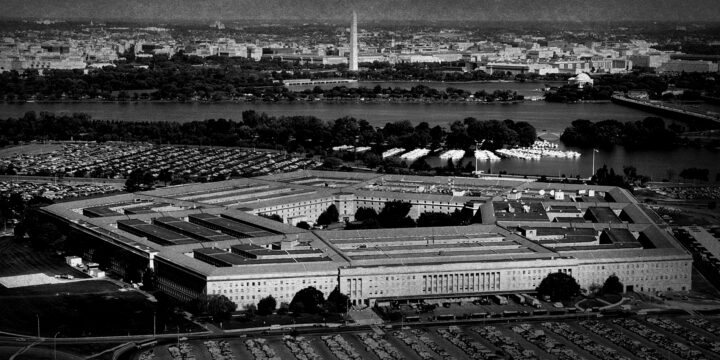
WASHINGTON, DC—This week, President Donald Trump announced plans to increase discretionary defense spending by $54 billion, a significant shift from then-candidate Trump’s smarter defense platform in which he promised to utilize his business expertise to more efficiently manage our government agencies—the Pentagon included.

Today, with more than $20 trillion in debt, our current levels of spending are not sustainable and endanger the security of our nation.
Former Joint Chiefs of Staff Admiral Mullen famously said, “The most significant threat to our national security is our debt.” Fiscal conservative and former Sen. Tom Coburn observed, “Our nation’s [then] $16 trillion debt is the new red menace, posing perhaps a greater threat to our nation than any military adversary.”

Defense Priorities recognizes that national defense is the most important responsibility of our federal government. That’s why the United States desperately needs a wiser foreign policy that keeps us safe without unnecessarily risking American lives or our financial future.
Just as more education spending by the government doesn’t always lead to better schools, more defense spending does not always lead to a stronger military and a safer homeland. In fact, it often leads to more government waste and abuse while delaying reforms of bad policies that weaken our armed forces.

“Over the last 16 years, we have increased defense spending by 50 percent, and it is not clear America is any safer. Rather than just throwing more money at the problem, Defense Priorities encourages the administration to first re-evaluate how our defense budget is being used to protect our homeland,” said Defense Priorities President, Edward King.

Author

Photo of Edward King

Edward
King

Founder & President

Defense Priorities

More on Grand strategy

Op-edGrand strategy

Trump’s Golden Dome is a destabilizing pipe dream

By Thomas P. Cavanna

February 26, 2026

Op-edGrand strategy

How Trump’s Board of Peace is set up for a multibillion dollar fail

By Thomas P. Cavanna

February 19, 2026

Op-edGrand strategy, Asia, China

Trump’s Diego Garcia fears miss the strategic point

By Thomas P. Cavanna

February 17, 2026

In the mediaWestern Hemisphere, Grand strategy, Russia

Trump awards final contracts under U.S.-Finnish icebreaker partnership to Canada-linked defense company

Featuring Lyle Goldstein

February 11, 2026

Op-edGrand strategy, Iran, Ukraine, Ukraine‑Russia, US‑Israel‑Iran

What happens when we give Europe first dibs on U.S. missiles for war

By Jennifer Kavanagh

February 9, 2026

Op-edGrand strategy

Whatever happened to ‘America first?’

By Adam Gallagher

February 4, 2026

Events on Grand strategy

See All Events
virtualGrand strategy, Military analysis

Assessing the 2026 NDS: How does it deal with defense deficits?

February 9, 2026
virtualEurope and Eurasia, Asia, Grand strategy

Assessing the 2026 NDS: Alignment with restraint?

February 9, 2026
virtualGlobal posture, Grand strategy, Military analysis

Assessing the 2026 NDS: What comes next?

February 9, 2026

Receive expert foreign policy analysis

Join the hub of realism and restraint

Expert updates and analysis to enhance your understanding of vital U.S. national security issues

Defense Priority Mono Logo

Our mission is to inform citizens, thought leaders, and policymakers of the importance of a strong, dynamic military—used more judiciously to protect America’s narrowly defined national interests—and promote a realistic grand strategy prioritizing restraint, diplomacy, and free trade to ensure U.S. security.

  • Research
  • Experts
  • About
  • For Media
  • Jobs
  • Donate
  • Privacy Policy
  • Terms and Conditions
  • Contact
© 2026 Defense Priorities Foundation. All rights reserved.