Defense Priorities Defense Priorities
  • Policy Topics
    • US-Israel-Iran
    • Ukraine-Russia
    • Western Hemisphere
    • NATO
    • China
    • Syria
  • Analysis
    • Research
    • Q&A
  • Programs
    • Grand Strategy Program
    • Military Analysis Program
    • Asia Program
    • Middle East Program
  • Experts
  • Events
  • Media
  • About
    • Mission & Vision
    • People
    • Jobs
    • Contact
  • Donate
Select Page
Home / Western Hemisphere / Why the U.S. can and should leave Greenland alone for now
Western Hemisphere, Greenland

January 30, 2026

Why the U.S. can and should leave Greenland alone for now

By Peter Harris

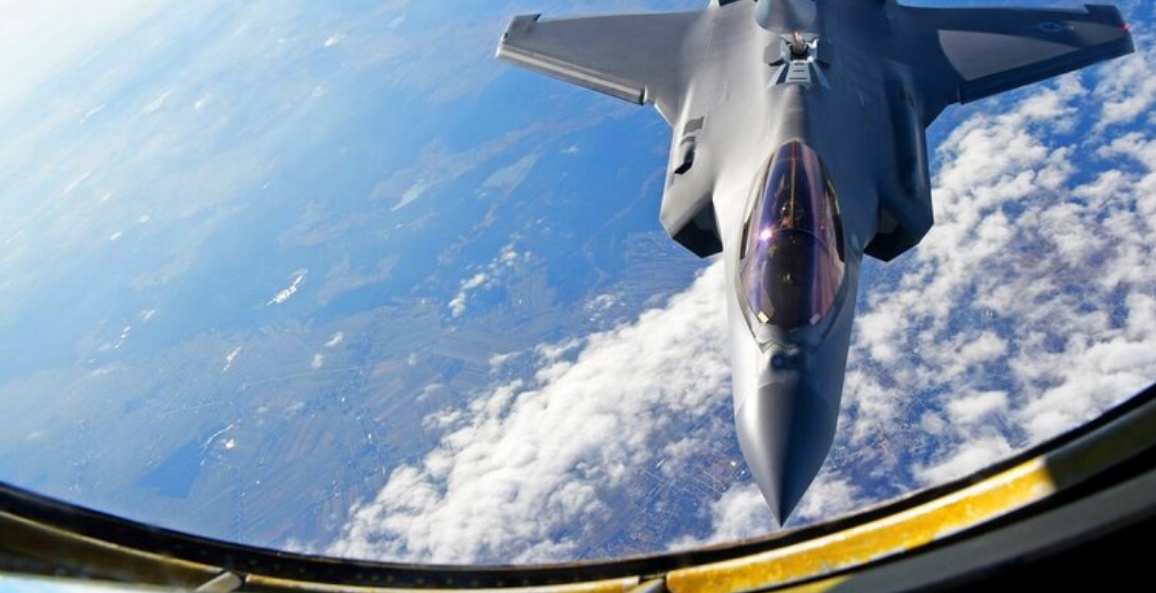
jet plane on the sky

During the recent spat over Greenland’s political status, one of President Donald Trump’s closest advisers, Stephen Miller, boasted that nobody would stop the United States if it used military force to seize the Danish territory. Miller was right. But properly understood, this is actually a reason to drop the unhelpful talk about the United States “needing” to acquire Greenland now, during peacetime.

While it might be crass to say such things aloud, the reality is that America is hegemonic in the Western Hemisphere. Even if the United States does not have untrammeled influence over its neighbors in North and South America, it towers over them in economic and military terms. Those who live in Washington’s shadow don’t need reminding of this fact—they are acutely aware.

In the past, leaders in Washington ordered military interventions in the Western Hemisphere with some regularity, especially in Central America and the Caribbean. They have been less eager to use overwhelming power so close to home in recent years (prior to Trump’s raid against Venezuela, the last time a U.S. president used force in the Americas was President Clinton’s humanitarian intervention in Haiti in 1994, more than 30 years ago). But the background threat of a U.S. intervention has never gone away.

The bottom line is this: Regional hegemons like the United States always have the outside option of intervening militarily in their weaker neighbors’ affairs. Miller was only stating the obvious when he applied this truism to Greenland.

Read at London School of Economics

Author

Photo of Peter Harris

Peter
Harris

Non-Resident Fellow

Defense Priorities

More on Western Hemisphere

Op-edMexico, Western Hemisphere

An indictment of Sinaloa’s governor could roil U.S.-Mexico ties

By Daniel DePetris

May 5, 2026

Op-edMexico, Western Hemisphere

Why the CIA deaths are a problem for Mexico

By Daniel DePetris

April 25, 2026

In the mediaWestern Hemisphere, Venezuela

Budgetary Costs of U.S. Military Operations in Venezuela, the Caribbean, and the Eastern Pacific, August 1, 2025 – March 31, 2026

Featuring Jennifer Kavanagh

April 23, 2026

Op-edCuba, Western Hemisphere

Trump can get a win in Cuba, but not with military force

By Adam Gallagher

April 23, 2026

In the mediaWestern Hemisphere

Trump Has Already Spent at Least $4.7 Billion Attacking Latin America

Featuring Jennifer Kavanagh

April 23, 2026

Op-edWestern Hemisphere, Mexico, Venezuela

Trump Is Getting His Way in Latin America. But Bully Tactics Have a Cost—and the Bill Is Coming Due

By Daniel DePetris

March 30, 2026

Events on Western Hemisphere

See All Events
virtualWestern Hemisphere, Military analysis

Assessing the 2026 NDS: Toward Western Hemisphere dominance?

February 9, 2026
virtualWestern Hemisphere

What’s next for U.S. foreign policy in 2026? Western Hemisphere Edition

January 14, 2026
virtualVenezuela, Western Hemisphere

Perils of regime change in Venezuela and beyond

October 28, 2025

Receive expert foreign policy analysis

Join the hub of realism and restraint

Expert updates and analysis to enhance your understanding of vital U.S. national security issues

Defense Priority Mono Logo

Our mission is to inform citizens, thought leaders, and policymakers of the importance of a strong, dynamic military—used more judiciously to protect America’s narrowly defined national interests—and promote a realistic grand strategy prioritizing restraint, diplomacy, and free trade to ensure U.S. security.

  • Research
  • Experts
  • About
  • For Media
  • Jobs
  • Donate
  • Privacy Policy
  • Terms and Conditions
  • Contact
© 2026 Defense Priorities Foundation. All rights reserved.