Defense Priorities Defense Priorities
  • Policy Topics
    • Iran
    • Western Hemisphere
    • Ukraine-Russia
    • NATO
    • China
    • Syria
  • Analysis
    • Research
    • Q&A
  • Programs
    • Grand Strategy Program
    • Military Analysis Program
    • Asia Program
    • Middle East Program
  • Experts
  • Events
  • Media
  • About
    • Mission & Vision
    • People
    • Jobs
    • Contact
  • Donate
Select Page
Home / Grand strategy / Trump’s idea to use drones strikes in Mexico could make cartel violence worse
Grand strategy, Drones, Mexico, Western Hemisphere

April 10, 2025

Trump’s idea to use drones strikes in Mexico could make cartel violence worse

By Daniel DePetris

About a year and a half after he was fired by President Donald Trump, former Defense Secretary Mark Esper published a tell-all memoir about the inner workings of the Trump administration. One of the book’s more remarkable allegations was that Trump, frustrated by the flow of illegal drugs coming across the U.S.-Mexico border, asked Esper twice about launching U.S. missile attacks on fentanyl labs run by Mexican cartels. While Trump denied most of the assertions about him in Esper’s book, in a nugget little noted at the time, he gave an entirely different answer about the missile strikes: “no comment.” The implication: It was entirely possible Trump thought bombing the cartels was a good idea.

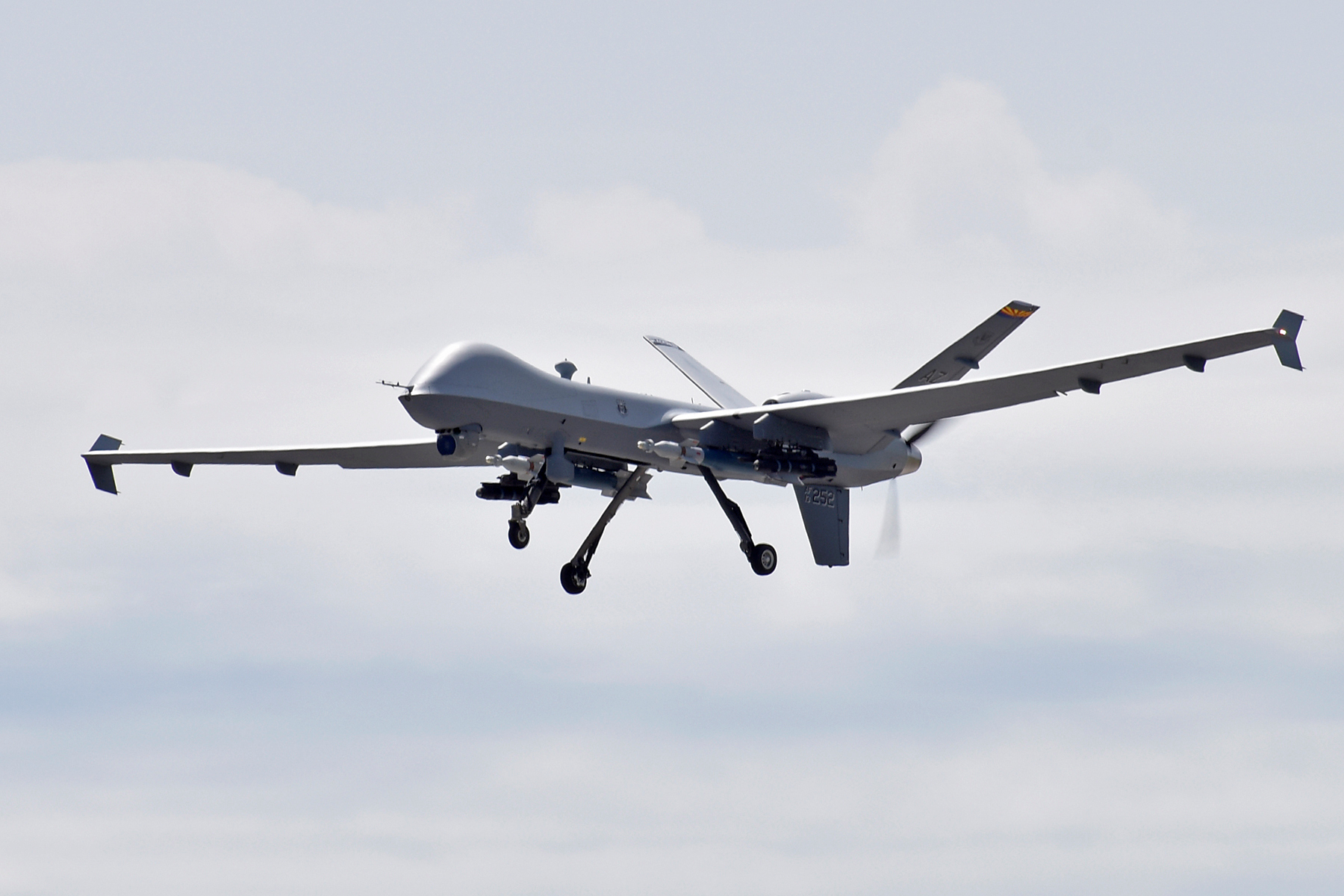
Apparently, the concept never left the president’s head. Four years later, using U.S. military force in Mexico remains a real option for Trump. On April 8, NBC News reported that the White House, the Defense Department and the intelligence community were discussing possible drone strikes on cartel infrastructure. Ideally, the U.S. would conduct these strikes in cooperation with the Mexican government, but might do so unilaterally as a last resort. If this sounds surprising, it shouldn’t; Trump’s second administration is stacked with senior officials, from Vice President JD Vance and Defense Secretary Pete Hegseth to Ronald Johnson, Trump’s recently confirmed ambassador to Mexico, who either genuinely believe the U.S. military should be prosecuting a war against the cartels or are at least open to the proposal.

The only problem? It’s a risky, counterproductive and utterly boneheaded idea.

Read at MSNBC

Author

Photo of Daniel DePetris

Daniel
DePetris

Fellow

Defense Priorities

More on Western Hemisphere

op-edVenezuela, Western Hemisphere

LTE: Trump rakes the path of least resistance in Venezuela

By Daniel DePetris

February 5, 2026

op-edGrand strategy

Whatever happened to ‘America first?’

By Adam Gallagher

February 4, 2026

op-edWestern Hemisphere

Welcome the good meeting between Trump and Colombia’s Gustavo Petro

By Daniel DePetris

February 3, 2026

op-edGrand strategy, Greenland, NATO, Western Hemisphere

Donald Trump is endangering U.S. alliances

By Christopher McCallion

January 30, 2026

jet plane on the sky
op-edWestern Hemisphere, Greenland

Why the U.S. can and should leave Greenland alone for now

By Peter Harris

January 30, 2026

op-edGrand strategy, Alliances, Diplomacy

The end of ‘Pax Americana’ and start of a ‘post-American’ era doesn’t necessarily mean the world will be less safe

By Peter Harris

January 28, 2026

Events on Grand strategy

See All Events
virtualGlobal posture, Grand strategy, Military analysis

Assessing the 2026 NDS: What comes next?

February 9, 2026
virtualEurope and Eurasia, Asia, Grand strategy

Assessing the 2026 NDS: Alignment with restraint?

February 9, 2026
virtualNATO, Alliances, Burden sharing, Europe and Eurasia, Grand strategy

Assessing the 2026 NDS: Will it usher in burden shifting?

February 9, 2026

Receive expert foreign policy analysis

Join the hub of realism and restraint

Expert updates and analysis to enhance your understanding of vital U.S. national security issues

Defense Priority Mono Logo

Our mission is to inform citizens, thought leaders, and policymakers of the importance of a strong, dynamic military—used more judiciously to protect America’s narrowly defined national interests—and promote a realistic grand strategy prioritizing restraint, diplomacy, and free trade to ensure U.S. security.

  • Research
  • Experts
  • About
  • For Media
  • Jobs
  • Donate
  • Privacy Policy
  • Terms and Conditions
  • Contact
© 2026 Defense Priorities All Right Reserved