Defense Priorities Defense Priorities
  • Policy Topics
    • Iran
    • Western Hemisphere
    • Ukraine-Russia
    • NATO
    • China
    • Syria
  • Analysis
    • Research
    • Q&A
  • Programs
    • Grand Strategy Program
    • Military Analysis Program
    • Asia Program
    • Middle East Program
  • Experts
  • Events
  • Media
  • About
    • Mission & Vision
    • People
    • Jobs
    • Contact
  • Donate
Select Page
Home / Grand strategy / Trump’s Big, Bloated Defense Budget
Grand strategy

May 7, 2025

Trump’s Big, Bloated Defense Budget

By Daniel DePetris

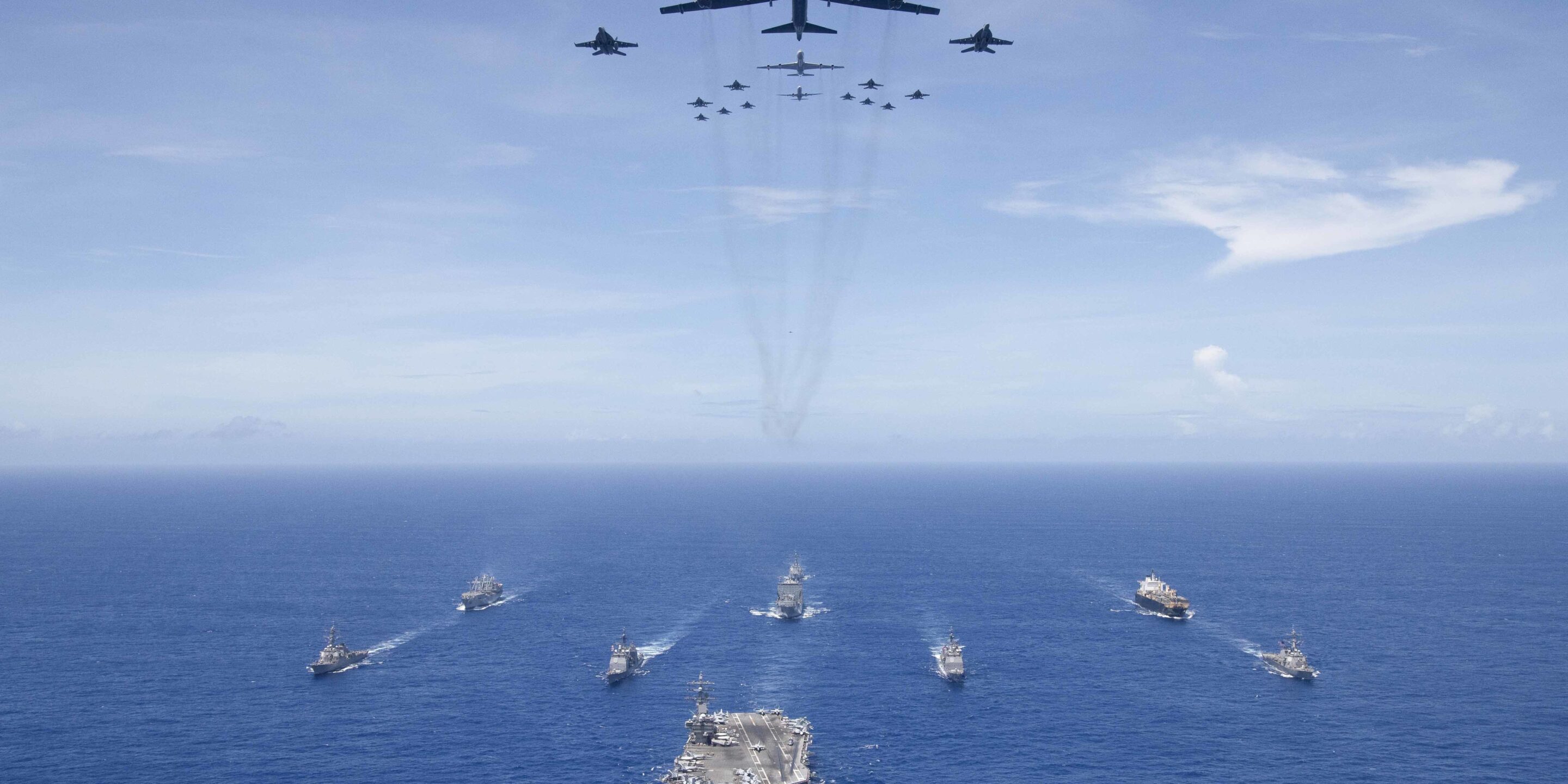
Depending on which side of the political spectrum one happens to sit, President Donald Trump’s budget request for fiscal year 2026 is either a bold stroke of genius that cuts wasteful government spending, or one big mess that takes resources away from the most vulnerable.

Based on the documents released last week by the Office of Management and Budget, the Trump administration seeks to add more resources to defense programs while cutting the overall federal budget to less than $1.7 trillion, a seven percent decrease from the previous fiscal year. The White House can only accomplish both of these objectives by paring back on the resources allocated for domestic agencies, and this is exactly what it’s trying to do. The Environmental Protection Agency, for example, would see a 54 percent cut. The Department of Housing and Urban Development would get a 44 percent slashing. The State Department and international programs account, meanwhile, would watch 84 percent of its funding vanish into thin air.

Congressional Democrats were aghast, but this was to be expected. What’s surprising is that senior Republican lawmakers are also making a stink. Members of the armed services committees are some of the most vocal, complaining about what they view as an inadequate budget for the U.S. military. Senator Roger Wicker (R-Miss.), the chairman of the Senate Armed Services Committee, blasted the Trump administration’s proposal as a continuation of a Biden-era freeze on the defense budget and countered the assertion made by Trump’s budget officials that the Pentagon will soon see $1 trillion in new spending. Senator Susan Collins (R-Maine), who heads the Senate Appropriations Committee, wasn’t pleased either, writing in a statement that she had “serious objections to the proposed freeze in our defense funding” given all the security crises occurring around the world today.

Read at Newsweek

Author

Photo of Daniel DePetris

Daniel
DePetris

Fellow

Defense Priorities

More on Western Hemisphere

op-edVenezuela, Western Hemisphere

LTE: Trump rakes the path of least resistance in Venezuela

By Daniel DePetris

February 5, 2026

op-edGrand strategy

Whatever happened to ‘America first?’

By Adam Gallagher

February 4, 2026

op-edWestern Hemisphere

Welcome the good meeting between Trump and Colombia’s Gustavo Petro

By Daniel DePetris

February 3, 2026

op-edGrand strategy, Greenland, NATO, Western Hemisphere

Donald Trump is endangering U.S. alliances

By Christopher McCallion

January 30, 2026

jet plane on the sky
op-edWestern Hemisphere, Greenland

Why the U.S. can and should leave Greenland alone for now

By Peter Harris

January 30, 2026

op-edGrand strategy, Alliances, Diplomacy

The end of ‘Pax Americana’ and start of a ‘post-American’ era doesn’t necessarily mean the world will be less safe

By Peter Harris

January 28, 2026

Events on Grand strategy

See All Events
virtualGlobal posture, Grand strategy, Military analysis

Assessing the 2026 NDS: What comes next?

February 9, 2026
virtualEurope and Eurasia, Asia, Grand strategy

Assessing the 2026 NDS: Alignment with restraint?

February 9, 2026
virtualNATO, Alliances, Burden sharing, Europe and Eurasia, Grand strategy

Assessing the 2026 NDS: Will it usher in burden shifting?

February 9, 2026

Receive expert foreign policy analysis

Join the hub of realism and restraint

Expert updates and analysis to enhance your understanding of vital U.S. national security issues

Defense Priority Mono Logo

Our mission is to inform citizens, thought leaders, and policymakers of the importance of a strong, dynamic military—used more judiciously to protect America’s narrowly defined national interests—and promote a realistic grand strategy prioritizing restraint, diplomacy, and free trade to ensure U.S. security.

  • Research
  • Experts
  • About
  • For Media
  • Jobs
  • Donate
  • Privacy Policy
  • Terms and Conditions
  • Contact
© 2026 Defense Priorities All Right Reserved