The swift collapse of the Assad family’s 54-year dictatorship in Syria is a seminal moment in the country’s history and one of the biggest changes in the Middle East’s political architecture since the U.S. invasion of Iraq in 2003. Bashar al-Assad, who inherited the Syrian presidency from his equally ruthless father, Hafez, in 2000, has fled to Moscow. But the country remains in a tug-of-war between competing foreign powers who have every intent of defending their respective interests, with Russia and Iran seeking to recover their losses while Turkey presses its advantage.
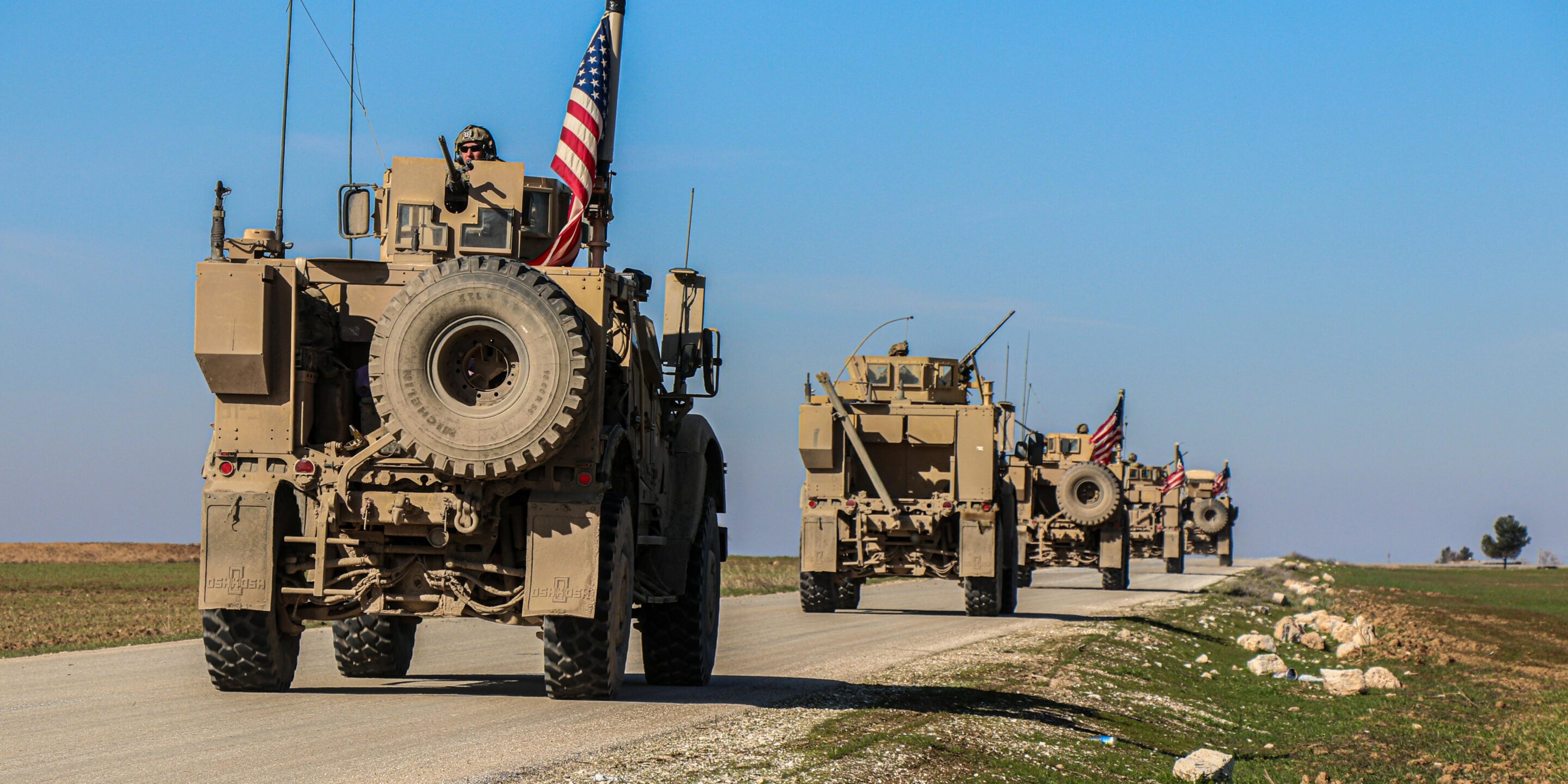
The United States, meanwhile, is taking a wait-and-see approach. Though American policymakers aren’t shedding any tears over Assad’s downfall, nobody is exactly jumping for joy, either. The Biden administration has pledged to help Syria rebuild its politics and unify its society, even as it insists that the nearly 1,000 U.S. troops deployed in the east will remain put. President-elect Donald Trump has taken a far more detached view of the situation: “In any event, Syria is a mess, but is not our friend, & THE UNITED STATES SHOULD HAVE NOTHING TO DO WITH IT. THIS IS NOT OUR FIGHT. LET IT PLAY OUT. DO NOT GET INVOLVED!”
Some will inevitably jump on the president-elect’s remarks as naive or even coldhearted. New York Times columnist Bret Stephens, for example, argued that Assad’s fall gives the U.S. a golden opportunity to rewrite the Middle East’s security order to Washington’s advantage. Trump, however, is right to be extremely skeptical about America’s capacity to change things in Syria. Whether Trump’s administration will maintain that skepticism is another matter.
Author

More on Middle East





Events on Syria