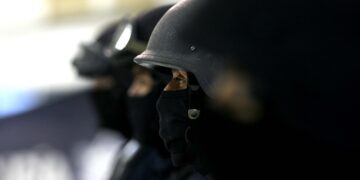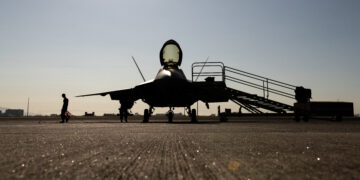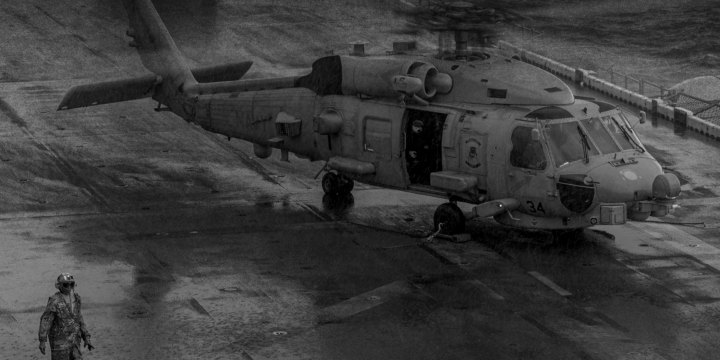
The U.S. military operation to track down, capture and fly Venezuelan dictator Nicolas Maduro back to the United States for prosecution on drug trafficking charges went flawlessly. It was well-coordinated, meticulously planned and executed to a tee. Nearly two days after Maduro and his wife, Cilia Flores, were taken into U.S. custody, details of the snatch-and-grab mission are beginning to percolate into the U.S. media. It involved a cyberattack against Caracas’s electricity system, precision bombing against several Venezuelan airfields and ports, a low-flying helicopter assault on Maduro’s hideout and a CIA deployment that was operating in the country since August. By the time Americans woke up on Saturday morning, Maduro, a man the Trump administration slapped with a multi-count indictment back in 2020, was on a US warship headed to New York.
Yet if the attempt to arrest Maduro was clean, short and sharp, the Trump administration’s day-after plans for Venezuela are bumbling, confusing and hard to explain. Despite President Trump’s bombastic proclamation that the United States will now run Venezuela’s affairs until a viable, U.S.-accepted political transition is in place, U.S. leverage to implement such a lofty ambition will remain limited in part because the Maduro government is still very much alive. Unlike Iraq during the George W. Bush administration, there aren’t 150,000 U.S. troops occupying Venezuela right now—nor would the American public support such an extensive deployment of ground troops. When CBS News’ Margaret Brennan asked Secretary of State Marco Rubio how Washington planned to enact Trump’s occupation-from-a-distance strategy, he didn’t offer many specifics outside of reiterating what the United States hoped to see at the end of the process: a Venezuela that is a U.S. partner rather than an adversary.
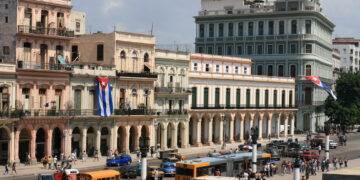
Indeed, it’s abundantly obvious what the Trump administration wants—and what it doesn’t. “You can’t flood this country [the United States] with gang members,” Rubio told NBC’s Meet the Press. “You can’t flood this country with drugs that are coming out of Colombia through Venezuela, with the cooperation of elements of your security forces. You can’t turn Venezuela into the operating hub for Iran, for Russia, for Hezbollah, for China, for the Cuban intelligence agents that control that country.” The fundamental question is how the White House intends to accomplish those dreams. One gets the sense that Trump and his senior advisers are still trying to determine what their plan is going to be.
Even so, we’re not flying totally blind. In the two days since Maduro was plucked out of the country, there are a few things we do know.
Author