Defense Priorities Defense Priorities
  • Policy Topics
    • US-Israel-Iran
    • Ukraine-Russia
    • Western Hemisphere
    • NATO
    • China
    • Syria
  • Analysis
    • Research
    • Q&A
  • Programs
    • Grand Strategy Program
    • Military Analysis Program
    • Asia Program
    • Middle East Program
  • Experts
  • Events
  • Media
  • About
    • Mission & Vision
    • People
    • Jobs
    • Contact
  • Donate
Select Page
Home / Israel-Hamas / The U.S. looks impotent as warfare between Israel and Hezbollah escalates
Israel‑Hamas, Israel, Middle East

September 24, 2024

The U.S. looks impotent as warfare between Israel and Hezbollah escalates

By Daniel DePetris

Last month, I wrote in this section that Israel and Hezbollah, the Lebanese militia based in southern Lebanon, were moving toward an all-out war after nearly a year of relatively contained fighting along the Israel-Lebanon border. Unfortunately, they have gotten only closer. Last week, a series of Israeli operations against Hezbollah has underscored just how quickly the situation can spiral out of control.

As the Israeli military was tied up in Gaza, Israeli Prime Minister Benjamin Netanyahu was largely content with letting the less-intense war in the north play out below a certain threshold. Netanyahu, who despite his penchant for tough talk is a fairly risk-averse politician, didn’t believe it was wise to fight two resource-intensive conflicts simultaneously. Others in his coalition government didn’t have the same opinion; one of the most extreme ministers in his cabinet, Itamar Ben-Gvir, publicly talked about invading Lebanon as far back as May.

The events of last week, however, have turned those assumptions to dust. On Sept. 17 and 18, explosives planted in thousands of pagers and walkie-talkies used by Hezbollah detonated simultaneously in one of the most elaborate operations conducted by Israel’s Mossad intelligence agency in recent memory. The attacks killed at least 39 people and injured thousands more. Shortly thereafter, an Israeli airstrike struck a building in Beirut’s southern suburbs, where commanders of Hezbollah’s elite commando force were meeting. One of the fatalities was Ibrahim Aqil, a high-ranking Hezbollah commander who was wanted by the FBI for his involvement in the 1983 terrorist attacks against the U.S. Embassy and Marine barracks in Lebanon.

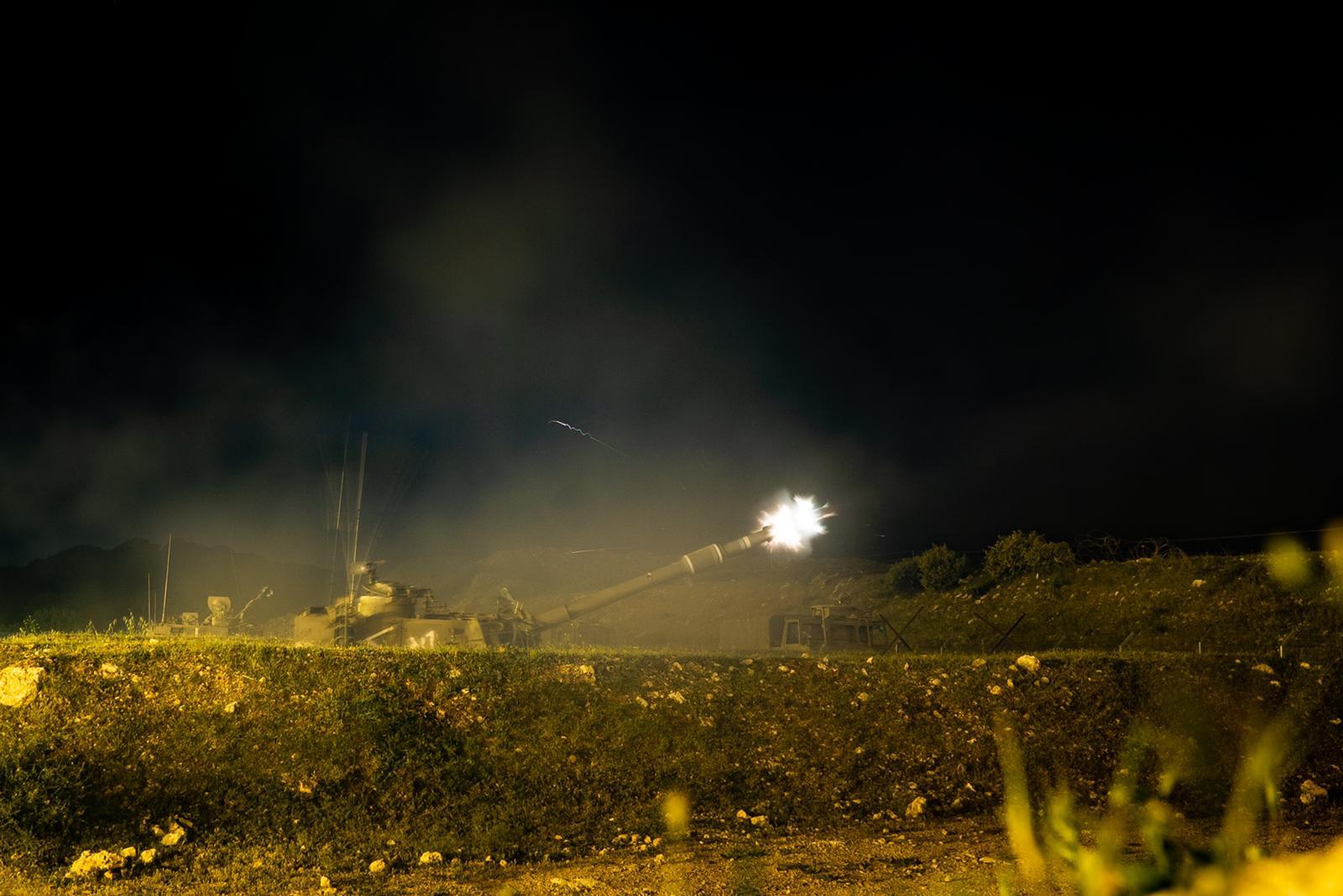
The fighting escalated further over the weekend. Southern Lebanon is now a de facto war zone. On Sunday, the Israeli military claimed it had hit 400 militant sites. Another 800 targets were struck Monday, with Lebanese health officials reporting that more than 270 people have been killed in the strikes. Civilians are being told by the Israeli military to evacuate their homes, an order that will swell Beirut’s population and strain the country’s already-struggling health infrastructure.

Read at The Chicago Tribune

Author

Photo of Daniel DePetris

Daniel
DePetris

Fellow

Defense Priorities

More on Middle East

Op-edUS‑Israel‑Iran, Iran, Middle East

What Does the Iran War Mean for the Global Economy?

By Rosemary Kelanic

June 2, 2026

In the mediaUS‑Israel‑Iran, Iran, Middle East

Both Iran And U.S. Lost The War, But The U.S. Lost More: Geopolitics Expert

Featuring Rosemary Kelanic

May 29, 2026

Op-edUS‑Israel‑Iran, Iran, Middle East

Donald Trump’s Iran War Could Become America’s ‘Syracuse’—the Disaster That Ended an Empire

By Gil Barndollar

May 29, 2026

Op-edIsrael, Middle East, US‑Israel‑Iran

Are Trump and Netanyahu heading for a showdown?

By Daniel DePetris

May 29, 2026

Op-edUS‑Israel‑Iran, Iran, Middle East

Trump’s Least Bad Option in Iran

By Rosemary Kelanic and Jennifer Kavanagh

May 28, 2026

In the mediaUS‑Israel‑Iran, Iran, Middle East

On BBC, Ben Friedman argues for the United States to cut a deal with Iran to open the strait

Featuring Benjamin Friedman

May 27, 2026

Events on Israel-Hamas

See All Events
virtualMiddle East, Basing and force posture, Diplomacy, Houthis, Iran, Iraq, Israel, Israel‑Hamas, Military analysis, Syria

Trump in the Middle East: Impacts, implications, and alternatives

May 16, 2025
virtualHouthis, Iran, Israel‑Hamas, Middle East, Yemen

Houthi conundrum: defend, degrade, or defer

March 28, 2024
virtualMiddle East, Iran, Israel‑Hamas, Israel‑Iran, Syria, Yemen

Keeping the U.S. out of war in the Middle East

January 16, 2024

Receive expert foreign policy analysis

Join the hub of realism and restraint

Expert updates and analysis to enhance your understanding of vital U.S. national security issues

Defense Priority Mono Logo

Our mission is to inform citizens, thought leaders, and policymakers of the importance of a strong, dynamic military—used more judiciously to protect America’s narrowly defined national interests—and promote a realistic grand strategy prioritizing restraint, diplomacy, and free trade to ensure U.S. security.

  • Research
  • Experts
  • About
  • For Media
  • Jobs
  • Donate
  • Privacy Policy
  • Terms and Conditions
  • Contact
© 2026 Defense Priorities Foundation. All rights reserved.