Defense Priorities Defense Priorities
  • Policy Topics
    • US-Israel-Iran
    • Ukraine-Russia
    • Western Hemisphere
    • NATO
    • China
  • Analysis
    • Policy Papers
    • Symposia
    • Q&A
    • Polls
    • Grand Strategy Explained
    • Target Taiwan
  • Programs
    • Grand Strategy Program
    • Military Analysis Program
    • Asia Program
    • Middle East Program
  • Experts
  • Events
  • Media
  • About
    • Mission & Vision
    • People
    • Jobs
    • Contact
  • Donate
Select Page
Home / Syria / The U.S. is courting unnecessary risk in Iraq and Syria
Syria, Iraq, Middle East

November 19, 2023

The U.S. is courting unnecessary risk in Iraq and Syria

By Daniel DePetris

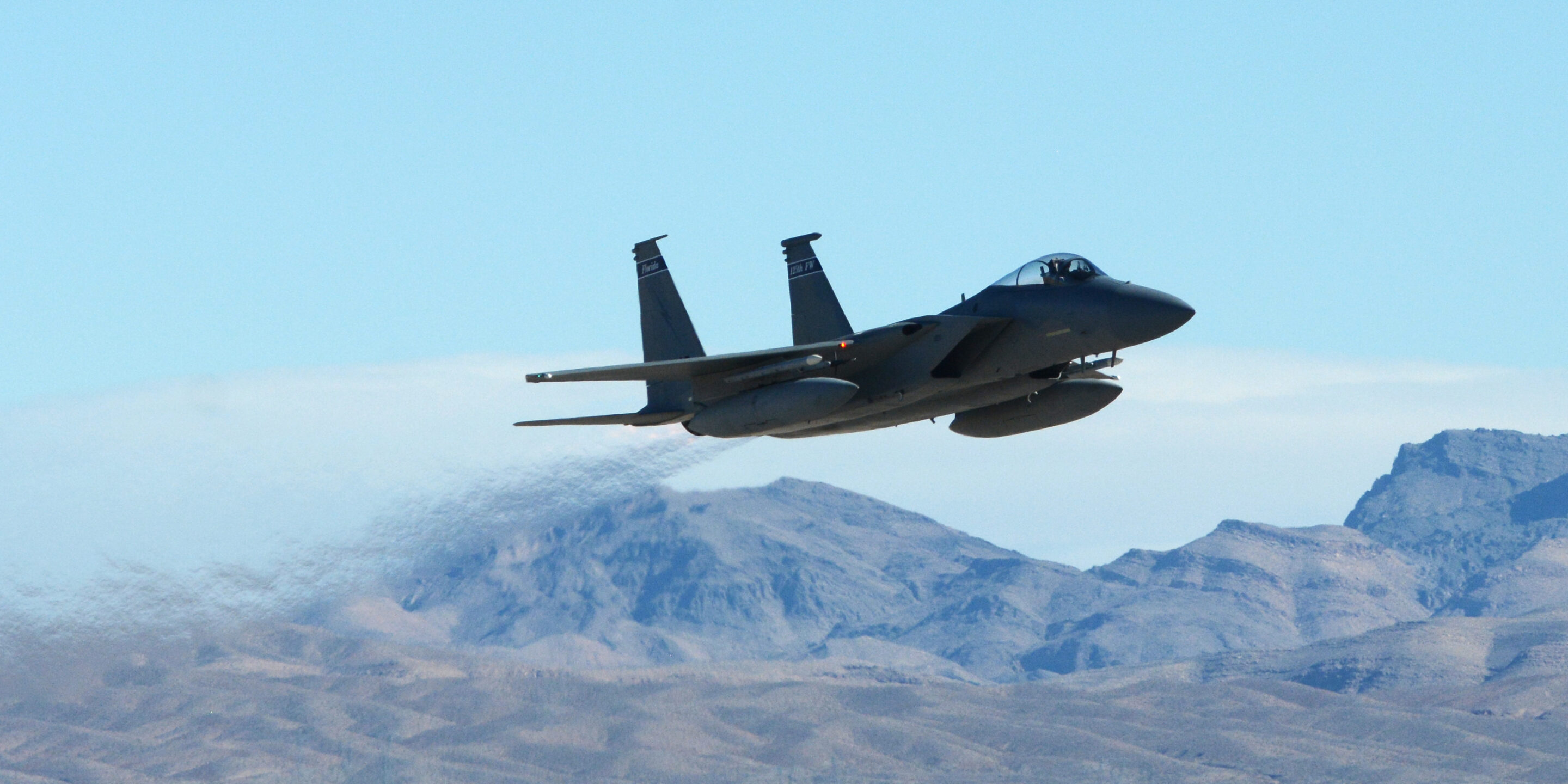
Last week, two U.S. F-15 fighter jets bombed a facility in eastern Syria linked to Iran’s Islamic Revolutionary Guard Corps (IRGC) and the Shiite militia proxies it supports. The strike came in response to multiple drone and rocket attacks by Iran-backed militias against U.S. positions in Iraq and Syria. “The President has no higher priority than the safety of U.S. personnel,” Defense Secretary Lloyd Austin wrote in an accompanying press release, “and he directed today’s action to make clear that the United States will defend itself, its personnel, and its interests.”

But what exactly are those interests? Are they critical to U.S. national security? And are the goals the U.S. is seeking to achieve in Iraq and Syria so important that it needs to sustain a risky troop presence there?

Ask a senior U.S. official and he will recite the usual talking points: The U.S. is in Iraq and Syria to ensure the enduring, or lasting, defeat of the Islamic State terrorist group. In Iraq, this entails training, advising, and assisting the Iraqi security forces to the point where Baghdad can prosecute what’s left of the counter-ISIS fight on its own. In Syria, the mission is murkier if not ill defined: Destroy the remnants of ISIS, prevent Syrian dictator Bashar al-Assad from retaking the eastern oil fields presently controlled by the Kurds, and promote a political resolution to a war deep into its 13th year.

If we’re honest with ourselves, most of these objectives are either pies in the sky or unimportant in the grand scheme of things. While Assad is a butcher with a French arrest warrant over his head, his forces now control most of Syria’s major cities, airports, key transit routes, all of its ports, and the vast majority of the Syrian population. The armed Syrian opposition lost its foreign patrons long ago and is now co-opted by a jihadist-aligned faction in the northwest. Frankly put: Assad will remain Syria’s dictator for another few decades (health permitting) and has next to no incentive to negotiate with his political enemies, whom he views as traitors deserving death—not fellow countrymen entitled to political concessions. U.S. partners in the region, Saudi Arabia and the United Arab Emirates included, have all come to terms with Assad’s staying power, even as U.S. policy on this front remains detached from reality.

Read at National Review

Author

Photo of Daniel DePetris

Daniel
DePetris

Fellow

Defense Priorities

More on Middle East

In the mediaUS‑Israel‑Iran, Iran, Middle East

6 months of war in Iran has left the Pentagon depleted and still fighting

Featuring Jennifer Kavanagh

August 27, 2026

Op-edUS‑Israel‑Iran, China, Iran, Middle East

How Trump’s war with Iran is putting the rest of his foreign policy at risk

By Daniel DePetris

August 26, 2026

In the mediaUS‑Israel‑Iran, Iran, Middle East

Let Iran Control The Strait Of Hormuz? Why One Expert Thinks That’s The Right Move

Featuring Rosemary Kelanic

August 25, 2026

In the mediaUS‑Israel‑Iran, Iran, Middle East

The U.S. threatens Iran with ‘economic D-Day’

Featuring Rosemary Kelanic

August 25, 2026

In the mediaUS‑Israel‑Iran, Iran, Middle East

Canada and Iran Reveal Trump’s Nationalism Blindspot

Featuring Rosemary Kelanic

August 25, 2026

Op-edUS‑Israel‑Iran, Iran, Middle East

Let Iran Control the Strait of Hormuz

By Rosemary Kelanic

August 24, 2026

Events on Syria

See All Events
virtualMiddle East, Basing and force posture, Diplomacy, Houthis, Iran, Iraq, Israel, Israel‑Hamas, Military analysis, Syria

Trump in the Middle East: Impacts, implications, and alternatives

May 16, 2025
virtualSyria, Balance of power, Basing and force posture, Counterterrorism, Middle East, Military analysis

Syria after Assad: Prospects for U.S. withdrawal

February 21, 2025
virtualMiddle East, Iran, Israel‑Hamas, Israel‑Iran, Syria, Yemen

Keeping the U.S. out of war in the Middle East

January 16, 2024

Receive expert foreign policy analysis

Join the hub of realism and restraint

Expert updates and analysis to enhance your understanding of vital U.S. national security issues

Defense Priority Mono Logo

Our mission is to inform citizens, thought leaders, and policymakers of the importance of a strong, dynamic military—used more judiciously to protect America’s narrowly defined national interests—and promote a realistic grand strategy prioritizing restraint, diplomacy, and free trade to ensure U.S. security.

  • Experts
  • Papers
  • Symposia
  • Q&A
  • Polls
  • Events
  • Media
  • Terms and Conditions
  • Privacy Policy
  • About
  • Jobs
  • Contact
  • Donate
© 2026 Defense Priorities Foundation. All rights reserved.