Defense Priorities Defense Priorities
  • Policy Topics
    • Venezuela
    • China
    • Israel-Hamas
    • Ukraine-Russia
    • NATO
    • Syria
  • Analysis
    • Research
    • Q&A
  • Programs
    • Grand Strategy Program
    • Military Analysis Program
    • Asia Program
    • Middle East Program
  • Experts
  • Events
  • Media
  • About
    • Mission & Vision
    • People
    • Jobs
    • Contact
  • Donate
Select Page
Home / Iran / The U.S. has to respond to the attack in Jordan. But it shouldn’t attack Iran.
Iran, Houthis, Middle East

January 30, 2024

The U.S. has to respond to the attack in Jordan. But it shouldn’t attack Iran.

By Daniel DePetris and Rajan Menon

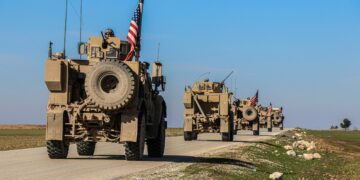
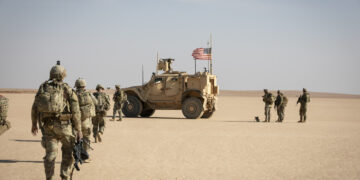
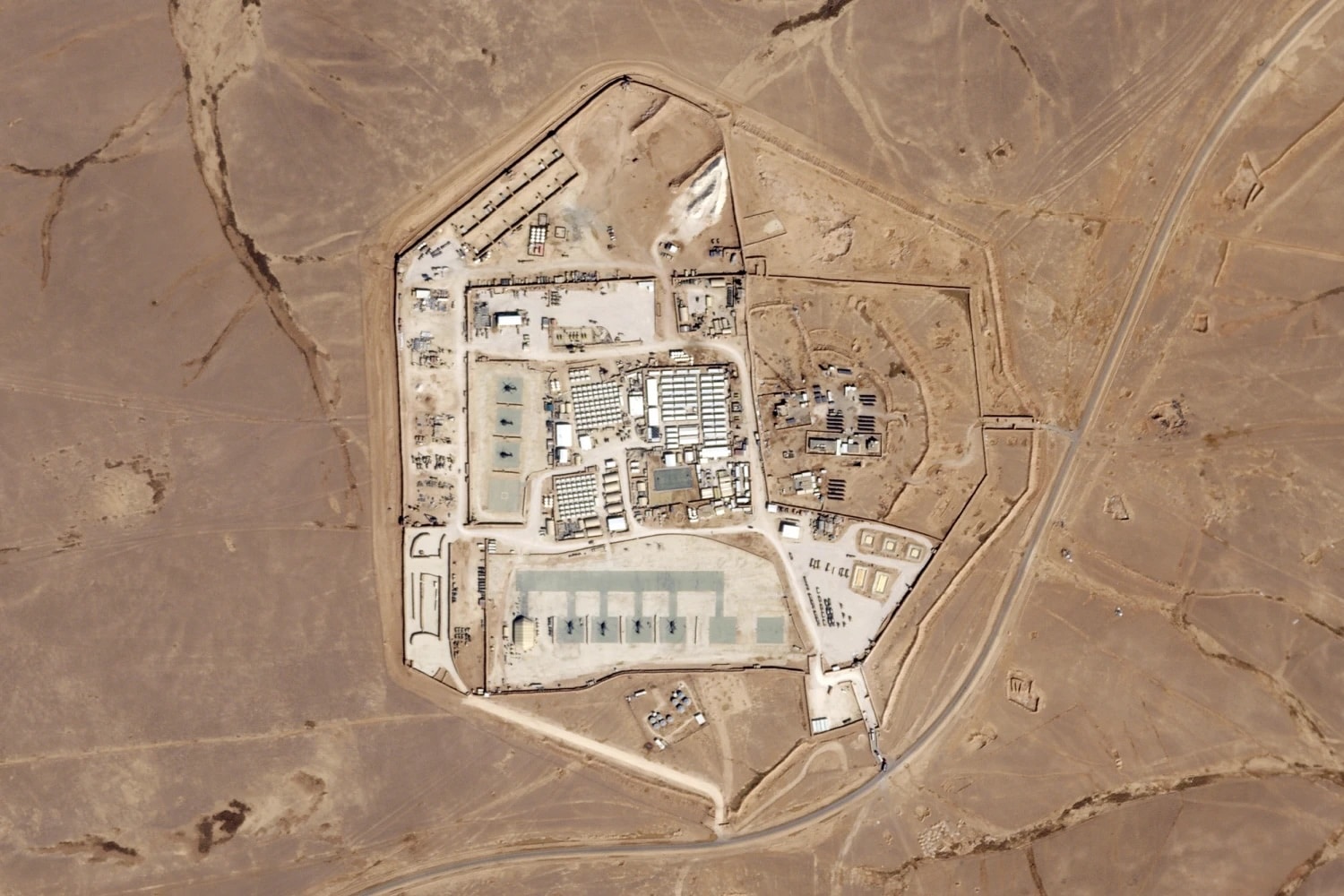
The attack Sunday by Iranian-backed militias against a U.S. facility in northeastern Jordan, which killed three U.S. troops and injured more than 30 more, has understandably caused shock and outrage in Washington. U.S. retaliation is assured, although we don’t know what form that retaliation will take. President Joe Biden said Tuesday that he has made a decision about how to respond, and it wouldn’t be a stretch to assume any U.S. military action will be broader in scope than the U.S. strikes against Iraqi and Syrian militia sites over the last three months.

Some pundits and lawmakers want Biden to include Iran itself on its list of targets. “The only thing the Iranian regime understands is force,” Sen. Lindsey Graham, R-S.C., wrote in a statement after the attack in Jordan. “Until they pay a price with their infrastructure and their personnel, the attacks on U.S. troops will continue.” Sen. Tom Cotton, R-Ark., said anything less than an attack on Iran itself would amount to cowardice on our part and embolden Iran’s leaders.

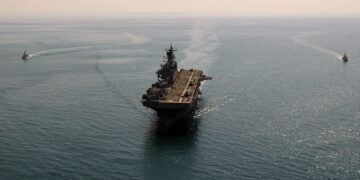
Underlying all of this chest-thumping is the assumption that U.S. military action would be so painful that Iranian leaders would respond the way we would like them to: by standing down and ordering their proxies in the Middle East to cease further attacks against U.S. troops and installations in the region. Unfortunately, this is a low-probability scenario. Iran’s reaction might confound our expectations. Embarrassed and angered after being struck by American bombs, Iran could up the ante and attack U.S. troops and bases. Washington’s extensive military presence in the region, while commonly viewed as a source of strength, may prove to be a vulnerability by providing Iran a long menu of targets to strike.

Read at MSNBC

Authors

Photo of Daniel DePetris

Daniel
DePetris

Fellow

Defense Priorities

Photo of Rajan Menon

Rajan
Menon

Former Non-Resident Senior Fellow

Defense Priorities

More on Middle East

op-edMiddle East

The Saudi-UAE schism could make Trump’s job even harder

By Daniel DePetris

January 2, 2026

op-edGrand strategy, Israel‑Hamas, Middle East

The foreign policy moves Donald Trump got right this year

By Daniel DePetris

December 30, 2025

op-edGrand strategy, Africa, Middle East

Trump wants a Nobel prize. But his record as a peacemaker is mixed at best.

By Daniel DePetris

December 28, 2025

In the mediaSyria, Counterterrorism, Middle East

After strike on American troops, what’s next for the U.S. in Syria?

Featuring Rosemary Kelanic

December 18, 2025

In the mediaSyria, Counterterrorism, Middle East

Deadly ISIS attack tests Trump’s Syria policy, ability to retaliate

Featuring Rosemary Kelanic

December 18, 2025

In the mediaSyria, Middle East

ISIS ambush spotlights shrinking U.S. military presence in Syria

Featuring Rosemary Kelanic

December 16, 2025

Events on Iran

See All Events
virtualMiddle East, Basing and force posture, Diplomacy, Houthis, Iran, Iraq, Israel, Israel‑Hamas, Military analysis, Syria

Trump in the Middle East: Impacts, implications, and alternatives

May 16, 2025
virtualHouthis, Iran, Israel‑Hamas, Middle East, Yemen

Houthi conundrum: defend, degrade, or defer

March 28, 2024
virtualMiddle East, Iran, Israel‑Hamas, Israel‑Iran, Syria, Yemen

Keeping the U.S. out of war in the Middle East

January 16, 2024

Receive expert foreign policy analysis

Join the hub of realism and restraint

Expert updates and analysis to enhance your understanding of vital U.S. national security issues

Defense Priority Mono Logo

Our mission is to inform citizens, thought leaders, and policymakers of the importance of a strong, dynamic military—used more judiciously to protect America’s narrowly defined national interests—and promote a realistic grand strategy prioritizing restraint, diplomacy, and free trade to ensure U.S. security.

  • Research
  • Experts
  • About
  • For Media
  • Jobs
  • Donate
  • Privacy Policy
  • Terms and Conditions
  • Contact
© 2026 Defense Priorities All Right Reserved