Defense Priorities Defense Priorities
  • Policy Topics
    • Iran
    • Western Hemisphere
    • Ukraine-Russia
    • NATO
    • China
    • Syria
  • Analysis
    • Research
    • Q&A
  • Programs
    • Grand Strategy Program
    • Military Analysis Program
    • Asia Program
    • Middle East Program
  • Experts
  • Events
  • Media
  • About
    • Mission & Vision
    • People
    • Jobs
    • Contact
  • Donate
Select Page
Home / Syria / The U.S. couldn’t prop up the Kurds forever
Syria, Middle East

February 4, 2026

The U.S. couldn’t prop up the Kurds forever

By Rosemary Kelanic

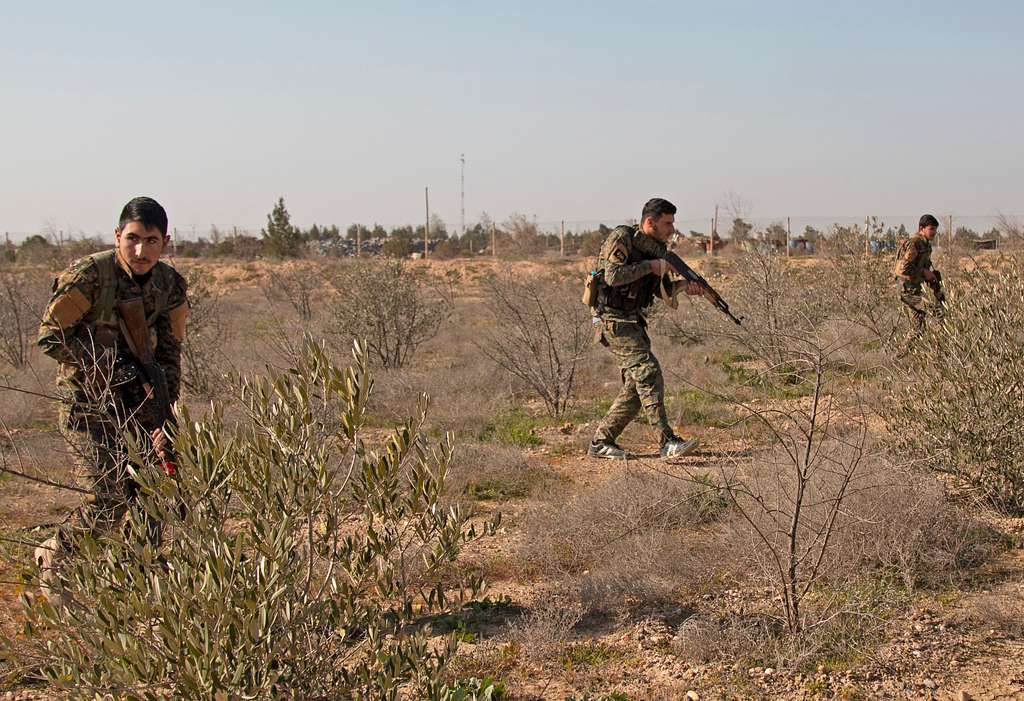
In a rapid maneuver, Syrian government forces recently consolidated power over the northeastern areas of their country following the collapse of the Kurdish-dominated Syrian Democratic Forces (SDF). The military operation, which followed a December 31 deadline for the Kurds to reintegrate and months of Kurdish refusals to do so, has prompted bitter accusations that the U.S. has “abandoned” the Kurds by allowing President Ahmed al-Sharaa to proceed.

While Americans should feel compassion for the Kurds in Syria, the narrative of U.S. “abandonment” is patently false. It misconstrues the origins of the U.S.-Kurdish partnership against ISIS, ignores the unsustainability of Kurdish occupation over Sunni Arab heartlands, and overlooks how the U.S. has protected Kurdish interests throughout Syria’s painful political transition.

The Syrian Kurds fought ISIS alongside the U.S. for self-preservation, not altruism. The danger the caliphate posed to the Kurds was existential and immediate while the threat to the U.S. was limited and remote. To the extent charity was involved, it came on the part of the United States.

Read at Real Clear World

Author

Rosemary
Kelanic

Director, Middle East Program

Defense Priorities

More on Middle East

op-edSyria, Middle East

Trump’s Syria withdrawal makes good strategic sense

By Alexander Langlois

February 25, 2026

In the mediaIran, Diplomacy, Middle East, U.S.‑Iran

‘Crisis of his own making’: Donald Trump weighs another war with Iran

Featuring Rosemary Kelanic

February 23, 2026

ExplainerU.S.‑Iran, Diplomacy, Iran, Middle East

Why Iran talks should deal only with nuclear issues

By Rosemary Kelanic

February 23, 2026

In the mediaU.S.‑Iran, Iran, Middle East

The U.S. Appears Likely To Attack Iran, Again. We Must Stop This Illegal Act.

Featuring Daniel Davis

February 22, 2026

In the mediaU.S.‑Iran, Iran, Middle East

Will the U.S. attack Iran? Trump weighs options, floats limited strike

Featuring Jennifer Kavanagh

February 21, 2026

op-edU.S.‑Iran, Iran, Middle East

Regime change in Iran won’t be cost-free

By Daniel DePetris

February 21, 2026

Events on Syria

See All Events
virtualMiddle East, Basing and force posture, Diplomacy, Houthis, Iran, Iraq, Israel, Israel‑Hamas, Military analysis, Syria

Trump in the Middle East: Impacts, implications, and alternatives

May 16, 2025
virtualSyria, Balance of power, Basing and force posture, Counterterrorism, Middle East, Military analysis

Syria after Assad: Prospects for U.S. withdrawal

February 21, 2025
virtualMiddle East, Iran, Israel‑Hamas, Israel‑Iran, Syria, Yemen

Keeping the U.S. out of war in the Middle East

January 16, 2024

Receive expert foreign policy analysis

Join the hub of realism and restraint

Expert updates and analysis to enhance your understanding of vital U.S. national security issues

Defense Priority Mono Logo

Our mission is to inform citizens, thought leaders, and policymakers of the importance of a strong, dynamic military—used more judiciously to protect America’s narrowly defined national interests—and promote a realistic grand strategy prioritizing restraint, diplomacy, and free trade to ensure U.S. security.

  • Research
  • Experts
  • About
  • For Media
  • Jobs
  • Donate
  • Privacy Policy
  • Terms and Conditions
  • Contact
© 2026 Defense Priorities All Right Reserved