Defense Priorities Defense Priorities
  • Policy Topics
    • Iran
    • Western Hemisphere
    • Ukraine-Russia
    • NATO
    • China
    • Syria
  • Analysis
    • Research
    • Q&A
  • Programs
    • Grand Strategy Program
    • Military Analysis Program
    • Asia Program
    • Middle East Program
  • Experts
  • Events
  • Media
  • About
    • Mission & Vision
    • People
    • Jobs
    • Contact
  • Donate
Select Page
Home / Syria / The U.S. should pull the plug on its Syria deployment
Syria, Middle East

February 1, 2026

The U.S. should pull the plug on its Syria deployment

By Daniel DePetris

For the first time in more than a decade and a half, Syria is close to getting its full sovereignty back. Despite occasional flare-ups of violence and lingering skepticism in the West that Syrian President Ahmed al-Sharaa can unify the country, Damascus is now consolidating its authority in parts of the state that haven’t seen a central government presence in years.

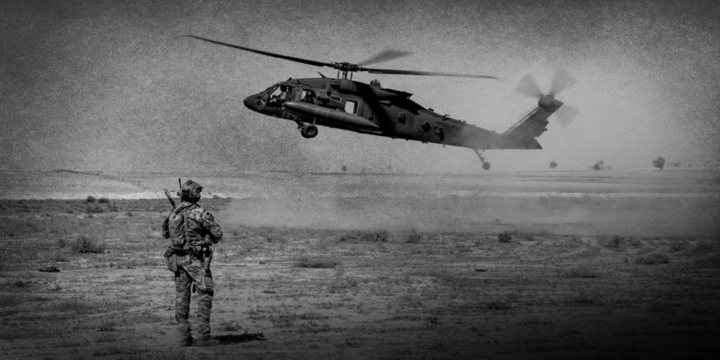
The rapid Syrian government offensive in the provinces of Deir ez-Zor, Raqqa and Hasaka, which forced the Kurdish-dominated Syrian Democratic Forces (SDF) to sign a ceasefire on the Syrian government’s terms, and the ongoing transfer of up to 7,000 ISIS prisoners to Iraq have led to speculation that Washington’s nearly 12-year-long military presence in Syria may finally be coming to an end.

The mere mention of a possible U.S. troop withdrawal from Syria has generated panic among some in Washington. Sen. Lindsey Graham, R-S.C., declared that ISIS would be the only winner if the U.S. withdrew. Former Secretary of State Mike Pompeo wrote in The Washington Post that leaving Kurdish allies in the lurch “will have serious implications for American credibility and deterrence across the region.”

The case for keeping U.S. troops indefinitely deployed in Syria is a poor one. If there was ever a time when the United States could contemplate withdrawal, it’s now.

Read at Stars and Stripes

Author

Photo of Daniel DePetris

Daniel
DePetris

Fellow

Defense Priorities

More on Middle East

op-edSyria, Middle East

The U.S. couldn’t prop up the Kurds forever

By Rosemary Kelanic

February 4, 2026

op-edIran, Middle East

Trump’s global gunboat diplomacy leaves the U.S. overstretched

By Alexander Langlois

February 3, 2026

op-edIran, Middle East

Ignore the Hawks. Attacking Iran comes with huge risks

By Peter Harris

February 1, 2026

op-edMiddle East, Iran, Israel‑Hamas, Israel‑Iran, Syria

Trump’s Middle East policy is teetering on overextension

By William Walldorf

January 29, 2026

op-edSyria, Middle East

The U.S. is adapting its Syria strategy. Here’s why that’s a problem.

By Alexander Langlois

January 28, 2026

op-edIran, Middle East

Iran is out of good options

By Daniel DePetris

January 28, 2026

Events on Syria

See All Events
virtualMiddle East, Basing and force posture, Diplomacy, Houthis, Iran, Iraq, Israel, Israel‑Hamas, Military analysis, Syria

Trump in the Middle East: Impacts, implications, and alternatives

May 16, 2025
virtualSyria, Balance of power, Basing and force posture, Counterterrorism, Middle East, Military analysis

Syria after Assad: Prospects for U.S. withdrawal

February 21, 2025
virtualMiddle East, Iran, Israel‑Hamas, Israel‑Iran, Syria, Yemen

Keeping the U.S. out of war in the Middle East

January 16, 2024

Receive expert foreign policy analysis

Join the hub of realism and restraint

Expert updates and analysis to enhance your understanding of vital U.S. national security issues

Defense Priority Mono Logo

Our mission is to inform citizens, thought leaders, and policymakers of the importance of a strong, dynamic military—used more judiciously to protect America’s narrowly defined national interests—and promote a realistic grand strategy prioritizing restraint, diplomacy, and free trade to ensure U.S. security.

  • Research
  • Experts
  • About
  • For Media
  • Jobs
  • Donate
  • Privacy Policy
  • Terms and Conditions
  • Contact
© 2026 Defense Priorities All Right Reserved