Defense Priorities Defense Priorities
  • Policy Topics
    • US-Israel-Iran
    • Ukraine-Russia
    • Western Hemisphere
    • NATO
    • China
    • Syria
  • Analysis
    • Research
    • Q&A
  • Programs
    • Grand Strategy Program
    • Military Analysis Program
    • Asia Program
    • Middle East Program
  • Experts
  • Events
  • Media
  • About
    • Mission & Vision
    • People
    • Jobs
    • Contact
  • Donate
Select Page
Home / US-Israel-Iran / The Strait of Hormuz is open. Here’s what to watch next.
US‑Israel‑Iran, Iran, Middle East

April 17, 2026

The Strait of Hormuz is open. Here’s what to watch next.

By Daniel DePetris

The announcement Friday that the Strait of Hormuz has been reopened has raised big questions: After weeks of airstrikes, missile launches and drone attacks, is the war against Iran close to over? Or is this progress less than meets the eye?

Unfortunately, it may be both. While citizens and markets alike have reason to celebrate Friday’s progress, no one should presume that the fight has permanently ended.

Some important context: It was becoming increasingly clear the standoff in the Persian Gulf was untenable to both sides. Iran’s ability to bottle up tanker traffic in the Strait of Hormuz has been its strongest card, resulting in massive price increases around the world on crude oil, gas, fertilizer and even food. The economic strain on ordinary Americans has been clear in President Donald Trump’s poll numbers and in comments from Republican lawmakers expressing concerns about the war’s potential impact on the midterm elections. Iran’s goal was obvious: create such economic and political turmoil for Trump that he had no alternative but to negotiate a settlement on Tehran’s terms.

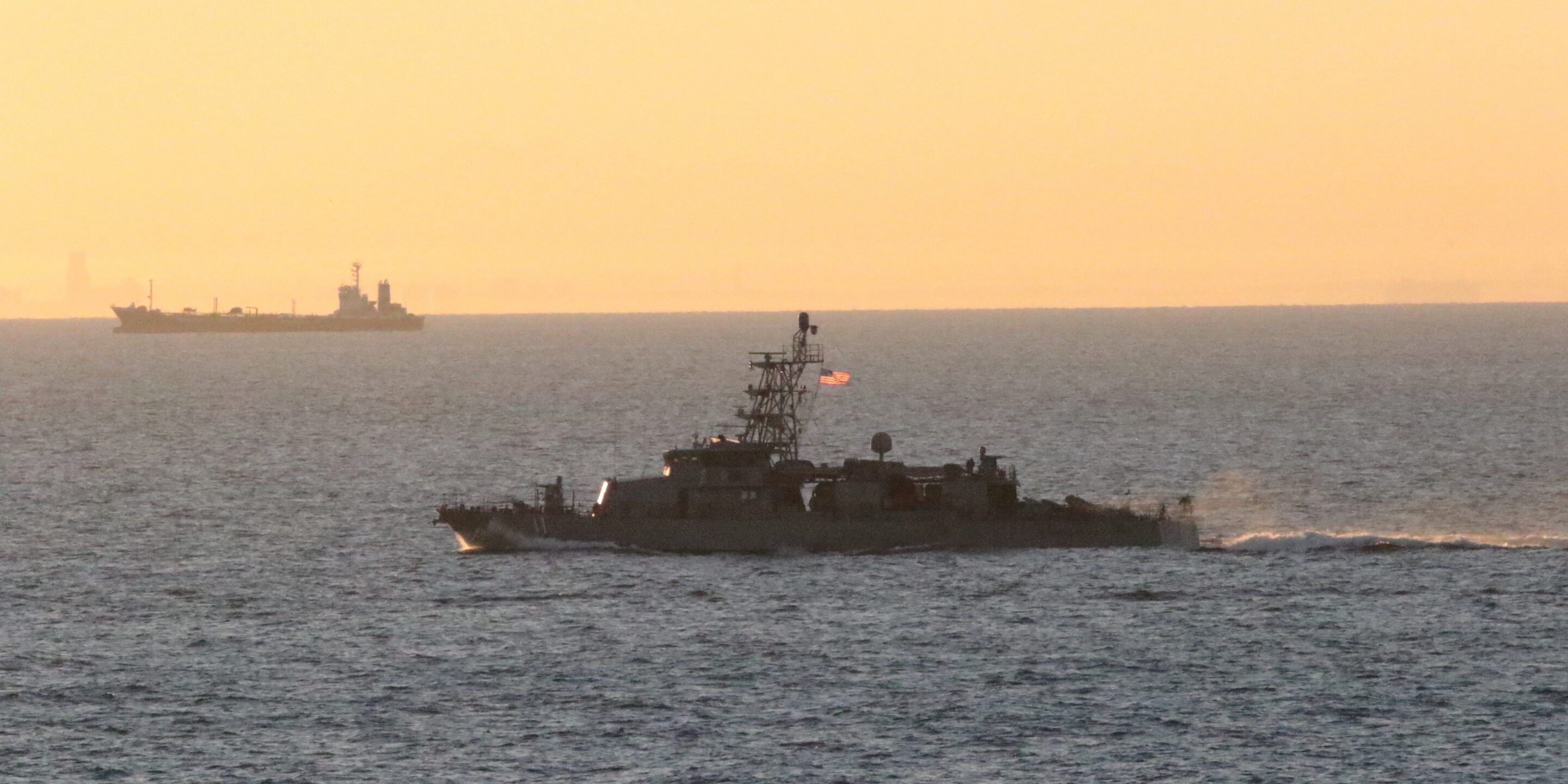
But Iran’s strategy was not perfect. In retaliation, the Trump administration responded with a blockade of Iranian ports in the Strait of Hormuz, complicating Tehran’s plans. Iranian-linked tankers that would normally be transiting the waterway were prevented by the U.S. Navy  from doing so, which meant lost revenue for Tehran’s war budget and the possibility of reduced oil production should the U.S. embargo persist. Both would have squeezed Iran’s ability to maintain its strategy of keeping closed the Middle East’s most important choke point and harassing energy infrastructure in the Gulf Arab states. And there was always a possibility that the longer the Strait of Hormuz was closed to non-Iranian vessels, the more likely Tehran’s Gulf neighbors were to join the U.S. military campaign in some way.

Read at MSNBC

Author

Photo of Daniel DePetris

Daniel
DePetris

Fellow

Defense Priorities

More on Middle East

In the mediaUS‑Israel‑Iran, Iran, Middle East

Trump, Iran clash over Hormuz closure as deal deadline nears

Featuring Daniel Davis

April 19, 2026

In the mediaUS‑Israel‑Iran, Iran, Israel, Israel‑Iran, Middle East

Can U.S. blockade Iranian-linked ships anywhere in the world? Yes, but …

Featuring Jennifer Kavanagh

April 19, 2026

In the mediaUS‑Israel‑Iran, Iran, Middle East

Defense Priorities’ Jennifer Kavanagh discusses the Iran War and the latest on the Strait of Hormuz

Featuring Jennifer Kavanagh

April 18, 2026

Op-edUS‑Israel‑Iran, Iran, Middle East

America Must Get Out of the Middle East for Good

By Adam Gallagher

April 17, 2026

In the mediaUS‑Israel‑Iran, Iran, Middle East

Strait of Hormuz blockade hurts Iran’s economy, threatens to spike energy prices

April 17, 2026

In the mediaChina, Iran, Middle East, US‑Israel‑Iran

Trump’s Hormuz blockade unlikely to draw China into Iran war

Featuring Lyle Goldstein

April 15, 2026

Receive expert foreign policy analysis

Join the hub of realism and restraint

Expert updates and analysis to enhance your understanding of vital U.S. national security issues

Defense Priority Mono Logo

Our mission is to inform citizens, thought leaders, and policymakers of the importance of a strong, dynamic military—used more judiciously to protect America’s narrowly defined national interests—and promote a realistic grand strategy prioritizing restraint, diplomacy, and free trade to ensure U.S. security.

  • Research
  • Experts
  • About
  • For Media
  • Jobs
  • Donate
  • Privacy Policy
  • Terms and Conditions
  • Contact
© 2026 Defense Priorities Foundation. All rights reserved.