Defense Priorities Defense Priorities
  • Policy Topics
    • Venezuela
    • China
    • Israel-Hamas
    • Ukraine-Russia
    • NATO
    • Syria
  • Analysis
    • Research
    • Q&A
  • Programs
    • Grand Strategy Program
    • Military Analysis Program
    • Asia Program
    • Middle East Program
  • Experts
  • Events
  • Media
  • About
    • Mission & Vision
    • People
    • Jobs
    • Contact
  • Donate
Select Page
Home / Israel-Hamas / The implications of an Israeli assault on Rafah are horrible
Israel‑Hamas, Israel, Middle East

May 7, 2024

The implications of an Israeli assault on Rafah are horrible

By Daniel DePetris

At the time of writing, the cease-fire talks between Israel and Hamas are boiling in a cauldron of disinformation. After CIA Director William Burns flew to Doha, Qatar, over the weekend in a last-minute stop to prod the two sides to keep talking, Hamas announced that it accepted a cease-fire proposal presented to the group earlier in the week. Israel responded immediately, saying that the proposal Hamas agreed to was a significant watering down of what Israel could tolerate.

The entire monthslong process has been about as tiresome as trying to jam a round peg into a square hole. Even committed mediators will find it hard, if not impossible, to do their jobs if the two sides refuse to budge from their bottom-line positions.

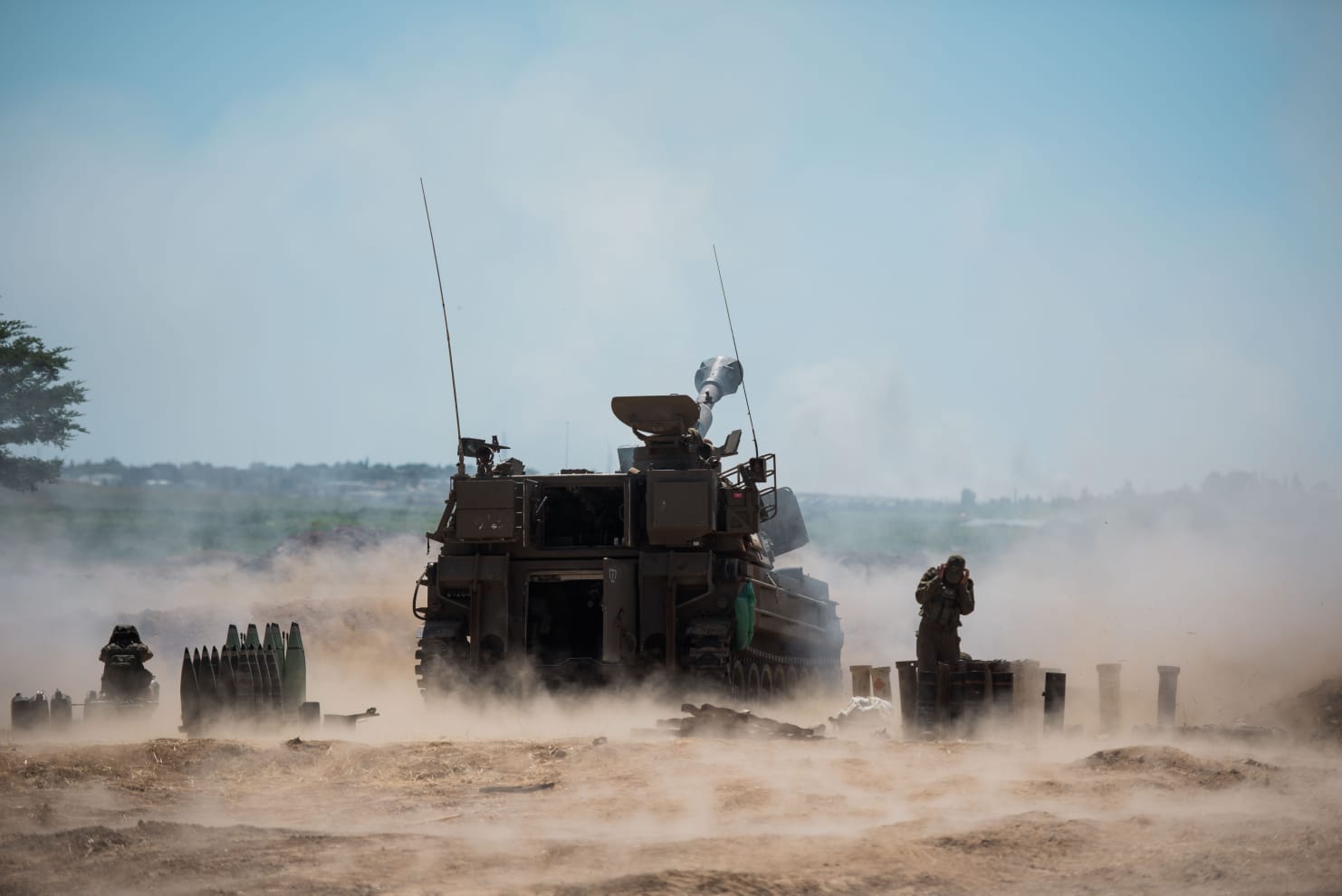
Whether the truce talks succeed or officially fall apart, Israeli Prime Minister Benjamin Netanyahu has been clear that Israel will eventually send its forces into Rafah to root out what remains of Hamas’ organized battalions. The only question was when an Israeli offensive would begin. If Israeli negotiators aren’t able to come to an agreement with Hamas, as looks increasingly likely, the operation would proceed faster than usual.

On Monday, Israel’s military issued a directive to 100,000 Palestinians in eastern Rafah to evacuate to safer ground. Of course, the term “safer ground” is oxymoronic at this point. There is no safe place in Gaza, and so-called safe zones have been bombed by Israel on multiple occasions during the war. Most Palestinians will likely adhere to the evacuation calls, while others will stick around and take their chances after having to move two, three or even four times over the last seven months.

Read at The Chicago Tribune

Author

Photo of Daniel DePetris

Daniel
DePetris

Fellow

Defense Priorities

More on Middle East

Press ReleaseSyria, Middle East

No more American deaths in Syria—bring U.S. troops home now

By Rosemary Kelanic

December 13, 2025

In the mediaCounterterrorism, Africa, Middle East

So this is what ‘America first’ looks like

Featuring William Walldorf

December 11, 2025

op-edMiddle East

The real problem with cozying up to the Saudis

By Benjamin Friedman and Rosemary Kelanic

December 5, 2025

op-edIran, Israel‑Hamas, Middle East

The case for diplomacy with Iran

By Geoff LaMear

December 5, 2025

In the mediaMiddle East, Israel

Israel relishes in Trump’s Muslim Brotherhood crackdown as Gulf shrugs it off

Featuring Rosemary Kelanic

December 2, 2025

op-edIsrael‑Hamas, Israel, Middle East

Donald Trump’s peace plan for Gaza is on life support

By Daniel DePetris

December 2, 2025

Events on Israel-Hamas

See All Events
virtualMiddle East, Basing and force posture, Diplomacy, Houthis, Iran, Iraq, Israel, Israel‑Hamas, Military analysis, Syria

Trump in the Middle East: Impacts, implications, and alternatives

May 16, 2025
virtualHouthis, Iran, Israel‑Hamas, Middle East, Yemen

Houthi conundrum: defend, degrade, or defer

March 28, 2024
virtualMiddle East, Iran, Israel‑Hamas, Israel‑Iran, Syria, Yemen

Keeping the U.S. out of war in the Middle East

January 16, 2024

Receive expert foreign policy analysis

Join the hub of realism and restraint

Expert updates and analysis to enhance your understanding of vital U.S. national security issues

Defense Priority Mono Logo

Our mission is to inform citizens, thought leaders, and policymakers of the importance of a strong, dynamic military—used more judiciously to protect America’s narrowly defined national interests—and promote a realistic grand strategy prioritizing restraint, diplomacy, and free trade to ensure U.S. security.

  • Research
  • Experts
  • About
  • For Media
  • Jobs
  • Donate
  • Privacy Policy
  • Terms and Conditions
  • Contact
© 2025 Defense Priorities All Right Reserved