Defense Priorities Defense Priorities
  • Policy Topics
    • US-Israel-Iran
    • Ukraine-Russia
    • Western Hemisphere
    • NATO
    • China
  • Analysis
    • Policy Papers
    • Symposia
    • Q&A
    • Polls
    • Grand Strategy Explained
    • Target Taiwan
  • Programs
    • Grand Strategy Program
    • Military Analysis Program
    • Asia Program
    • Middle East Program
  • Experts
  • Events
  • Media
  • About
    • Mission & Vision
    • People
    • Jobs
    • Contact
  • Donate
Select Page
Home / Nuclear weapons / The Cold War may be over, but our stalemate on nuclear testing must remain strong
Nuclear weapons, Grand strategy

June 29, 2024

The Cold War may be over, but our stalemate on nuclear testing must remain strong

By Scott Strgacich

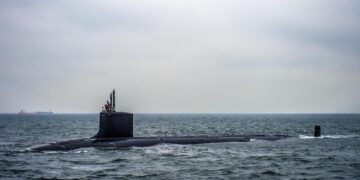
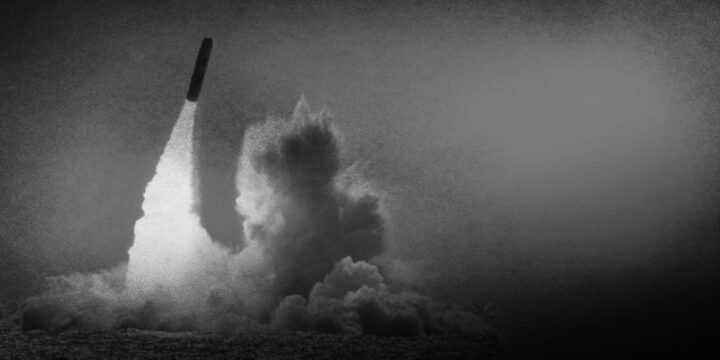
The Pentagon is currently in the throes of a generational modernization program for the U.S. nuclear triad—comprising air, sea and land-based nuclear strike capabilities—that could cost taxpayers an estimated $1 trillion over 30 years.

The effort is vast. It includes the introduction of a new strategic bomber, a new ballistic missile submarine and a new intercontinental ballistic missile (ICBM) system. While the B-21 Raider, the newest element of the triad’s air leg, has proven itself a rare example of a cost-effective defense procurement, the modernization program’s sea and land legs haven’t been so fortunate. Progress on the Navy’s new ballistic missile submarine, the Columbia class, has been disrupted by an inadequate defense industrial base, while the upcoming LGM-35 Sentinel ICBM was recently scandalized by the disclosure of fresh cost overruns.

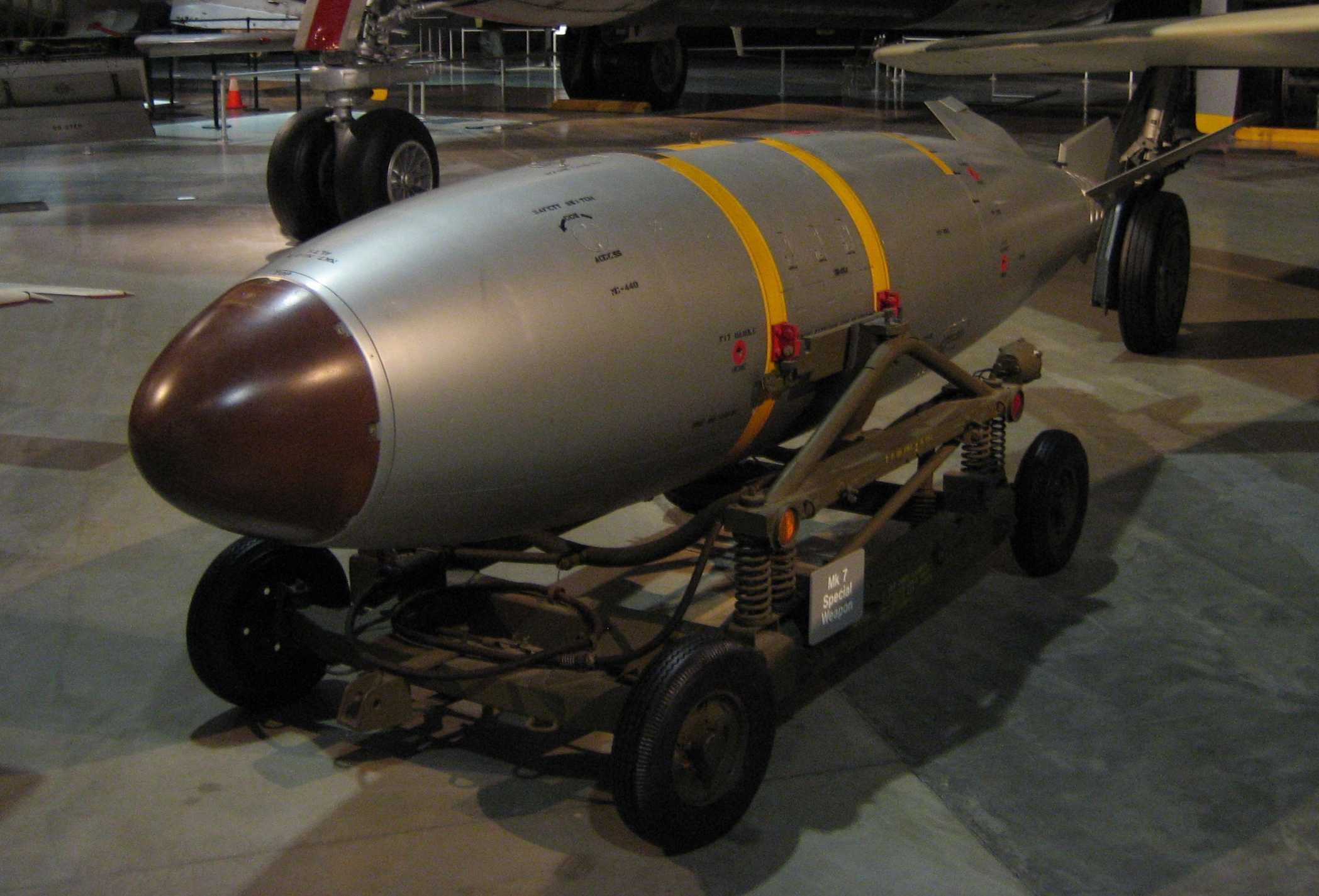
But there’s one worrying dimension of the U.S. modernization effort that has failed to get sufficient attention—the new W93 nuclear warhead and its implications for the future of nuclear testing.

Read at The Hill

Author

Photo of Scott Strgacich

Scott
Strgacich

Former Research Associate

Defense Priorities

More on Western Hemisphere

In the mediaVenezuela, Western Hemisphere

U.S. mobilizes for Venezuela despite Trump’s disdain for foreign aid

Featuring Daniel DePetris

July 1, 2026

Op-edVenezuela, Western Hemisphere

The powers that be in Venezuela are exploiting a tragedy as its people suffer

By Daniel DePetris

June 30, 2026

Op-edWestern Hemisphere

New Colombian president could be the key to Trump’s drug war

By Daniel DePetris

June 25, 2026

Op-edMexico, Western Hemisphere

Trump’s Counterproductive Mexico Policy

By Daniel DePetris

June 12, 2026

Op-edWestern Hemisphere, Mexico

The Pentagon is blending the war on drugs with counterterrorism. It isn’t working.

By Daniel DePetris

May 26, 2026

In the mediaWestern Hemisphere, Venezuela

The ‘Donroe Doctrine’ Divide

Featuring Jennifer Kavanagh

May 24, 2026

Events on Nuclear weapons

See All Events
virtualNATO, Alliances, Deterrence, Europe and Eurasia, Nuclear weapons

New York for Paris? NATO and extended deterrence in a new nuclear age

July 2, 2024
virtualChina, Nuclear weapons

Raising the minimum: explaining China’s nuclear buildup

May 19, 2022
in-personNorth Korea, Asia, Deterrence, Diplomacy, Nuclear weapons

Ending the North Korea standoff

March 5, 2018

Receive expert foreign policy analysis

Join the hub of realism and restraint

Expert updates and analysis to enhance your understanding of vital U.S. national security issues

Defense Priority Mono Logo

Our mission is to inform citizens, thought leaders, and policymakers of the importance of a strong, dynamic military—used more judiciously to protect America’s narrowly defined national interests—and promote a realistic grand strategy prioritizing restraint, diplomacy, and free trade to ensure U.S. security.

  • Experts
  • Papers
  • Symposia
  • Q&A
  • Polls
  • Events
  • Media
  • Terms and Conditions
  • Privacy Policy
  • About
  • Jobs
  • Contact
  • Donate
© 2026 Defense Priorities Foundation. All rights reserved.