Defense Priorities Defense Priorities
  • Policy Topics
    • Iran
    • Western Hemisphere
    • Ukraine-Russia
    • NATO
    • China
    • Syria
  • Analysis
    • Research
    • Q&A
  • Programs
    • Grand Strategy Program
    • Military Analysis Program
    • Asia Program
    • Middle East Program
  • Experts
  • Events
  • Media
  • About
    • Mission & Vision
    • People
    • Jobs
    • Contact
  • Donate
Select Page
Home / Grand strategy / The absolute wrong way to deploy US military on the border
Grand strategy, Western Hemisphere

February 18, 2025

The absolute wrong way to deploy US military on the border

By Jennifer Kavanagh

“Guys and gals of my generation have spent decades in foreign countries guarding other people’s borders. It’s about time we secure our own,” Secretary of Defense Pete Hegseth said during his first trip to the southern border earlier this month. “This needs to be and will be a focus of this department,” he reiterated at a Pentagon town hall days later.

Most servicemembers deploying to the southern border today never fought in the post-9/11 wars, but Hegseth is right that their commanders and civilian bosses have plenty of experience to draw on from two decades spent “securing” and “stabilizing” Iraq and Afghanistan.

However, while it’s still early days, so far, the Pentagon doesn’t seem to be making use of those hard-won lessons. Instead, Department of Defense (DoD) leaders appear to be repeating the mistakes of their predecessors with open-ended missions attached to unclear objectives and more attention to appearance and signaling than results. Active-duty forces may have a role to play in President Donald Trump’s immigration agenda, but those in charge can do much more to set this mission up for success while minimizing impacts on an already overstretched military force and budget.

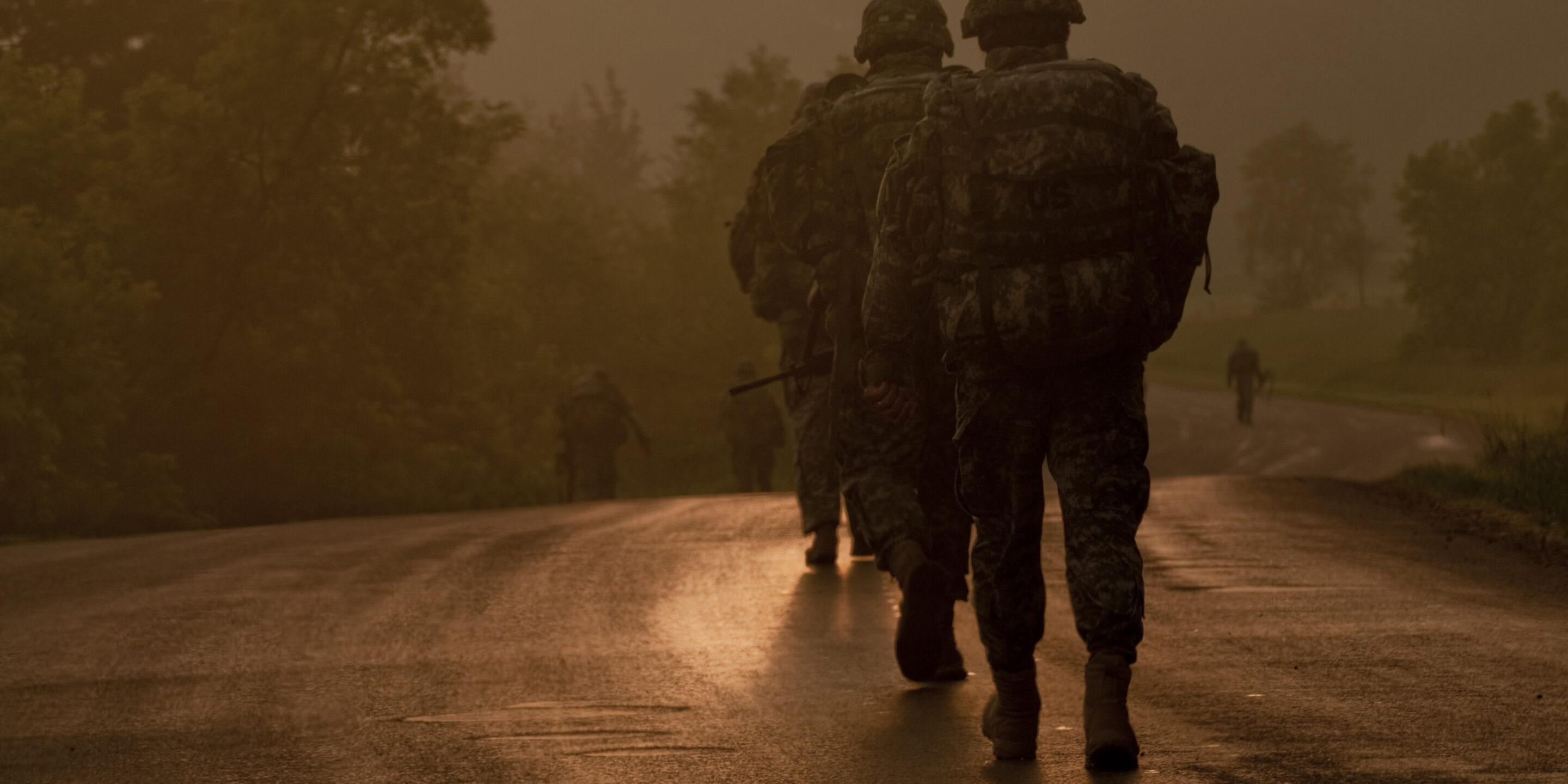
The use of active-duty forces on the southern border is not new to the second Trump administration. He also turned to active-duty units during his first term, sending 1,000 troops to the border in 2018 and 3,000 in 2019. President Joe Biden, too, relied on active-duty forces to support border operations throughout his presidency, though in smaller numbers. This time, however, Trump may be planning to push active-duty presence at the border to more than 7,000 personnel according to some reports.

Read at Responsible Statecraft

Author

Jennifer
Kavanagh

Senior Fellow & Director of Military Analysis

Defense Priorities

More on Western Hemisphere

op-edVenezuela, Western Hemisphere

LTE: Trump rakes the path of least resistance in Venezuela

By Daniel DePetris

February 5, 2026

op-edGrand strategy

Whatever happened to ‘America first?’

By Adam Gallagher

February 4, 2026

op-edWestern Hemisphere

Welcome the good meeting between Trump and Colombia’s Gustavo Petro

By Daniel DePetris

February 3, 2026

op-edGrand strategy, Greenland, NATO, Western Hemisphere

Donald Trump is endangering U.S. alliances

By Christopher McCallion

January 30, 2026

jet plane on the sky
op-edWestern Hemisphere, Greenland

Why the U.S. can and should leave Greenland alone for now

By Peter Harris

January 30, 2026

op-edGrand strategy, Alliances, Diplomacy

The end of ‘Pax Americana’ and start of a ‘post-American’ era doesn’t necessarily mean the world will be less safe

By Peter Harris

January 28, 2026

Events on Grand strategy

See All Events
virtualGlobal posture, Grand strategy, Military analysis

Assessing the 2026 NDS: What comes next?

February 9, 2026
virtualEurope and Eurasia, Asia, Grand strategy

Assessing the 2026 NDS: Alignment with restraint?

February 9, 2026
virtualNATO, Alliances, Burden sharing, Europe and Eurasia, Grand strategy

Assessing the 2026 NDS: Will it usher in burden shifting?

February 9, 2026

Receive expert foreign policy analysis

Join the hub of realism and restraint

Expert updates and analysis to enhance your understanding of vital U.S. national security issues

Defense Priority Mono Logo

Our mission is to inform citizens, thought leaders, and policymakers of the importance of a strong, dynamic military—used more judiciously to protect America’s narrowly defined national interests—and promote a realistic grand strategy prioritizing restraint, diplomacy, and free trade to ensure U.S. security.

  • Research
  • Experts
  • About
  • For Media
  • Jobs
  • Donate
  • Privacy Policy
  • Terms and Conditions
  • Contact
© 2026 Defense Priorities All Right Reserved