Defense Priorities Defense Priorities
  • Policy Topics
    • Venezuela
    • China
    • Israel-Hamas
    • Ukraine-Russia
    • NATO
    • Syria
  • Analysis
    • Research
    • Q&A
  • Programs
    • Grand Strategy Program
    • Military Analysis Program
    • Asia Program
    • Middle East Program
  • Experts
  • Events
  • Media
  • About
    • Mission & Vision
    • People
    • Jobs
    • Contact
  • Donate
Select Page
Home / Israel-Hamas / Sinwar’s death won’t save Gaza
Israel‑Hamas, Israel, Middle East

October 18, 2024

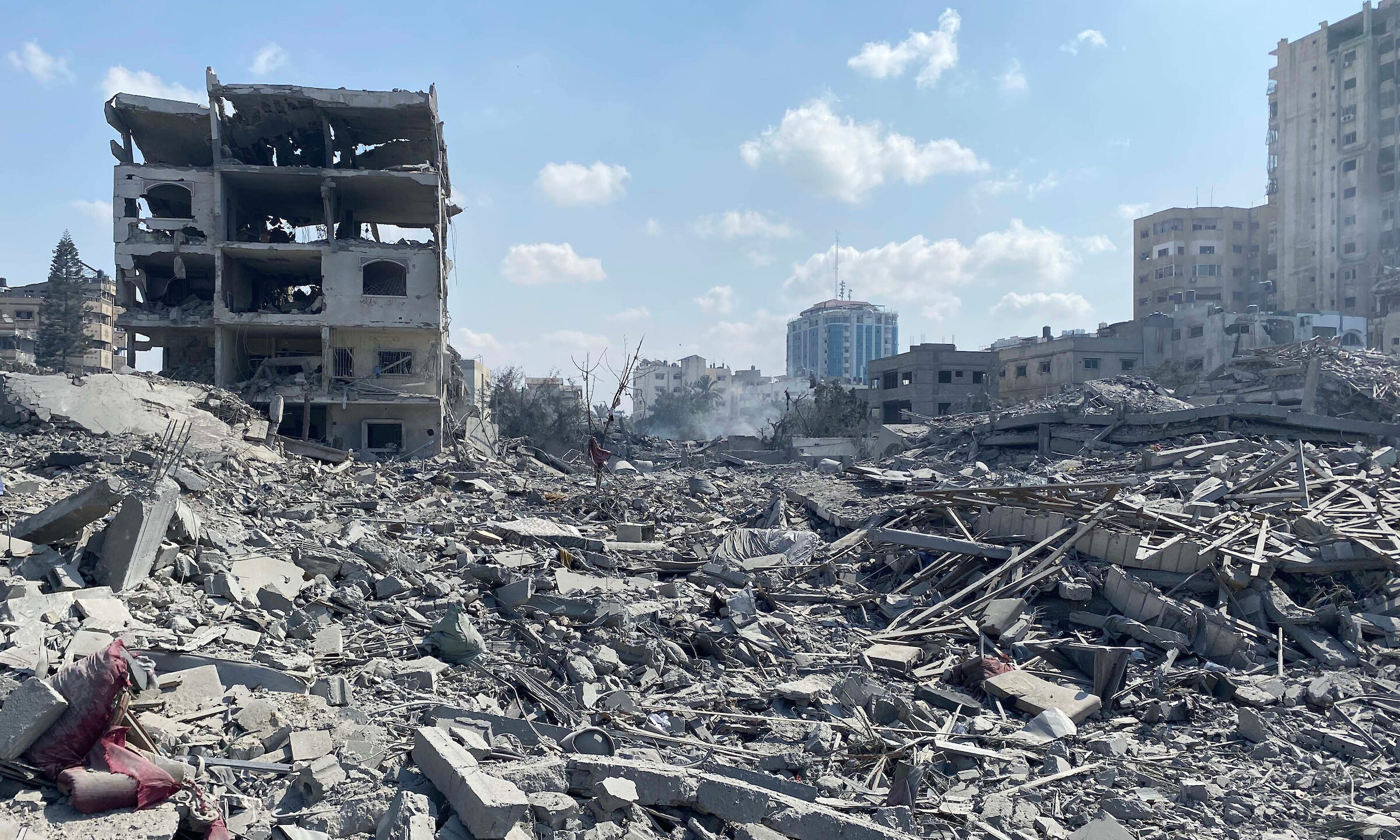
Sinwar’s death won’t save Gaza

By Rajan Menon

He had been on Israel’s most wanted list for years. More than any other Hamas leader, Yahya Sinwar was the mastermind of Operation Al-Aqsa Flood on 7 October last year. It was the worst massacre of Jews since the Holocaust, a horrific and spectacular operation that left 1,200 dead and 250 taken hostage. It blindsided Israel’s much-vaunted intelligence services and armed forces, leaving them shocked and humiliated, as it did prime minister Benjamin Netanyahu, who had artfully and diligently presented himself as Israel’s “Mr Security”. Netanyahu has now delivered the vengeance of Sinwar’s death. But this act alone is unlikely to change the post-7 October landscape—either the diplomatic deadlock or the blasted skyline of Gaza itself.

If 7 October was Netanyahu’s humiliation, it was Sinwar’s foul triumph. His death will be celebrated by Israel’s leaders as well as its people—and rightly so. Sinwar spent more than 20 years imprisoned in Israel, during which time he learned Hebrew, rooted out informants, survived a brain cancer, and established himself as the undisputed leader of other Hamas prisoners. Only with great reluctance did the Israelis agree to make him part of a 2011 prisoner exchange arranged to secure the release of Gilad Shalit, a young IDF soldier Hamas had abducted in 2006.

Unchastised, Sinwar rejoined Hamas, plunged back into the fight, and before long entered its inner circle. He was a hard man: humourless, pitiless, consumed by the determination to extirpate what he regarded as a mainly British-enabled mass influx of European Jews. Save for occasional gestures of compromise—for example his willingness to accept the Palestinian Authority’s quest for a two-state solution through negotiations with Israel—he maintained that Hamas would never accept Israel’s legitimacy or abandon its goal of its total destruction.

Read at New Statesman

Author

Photo of Rajan Menon

Rajan
Menon

Former Non-Resident Senior Fellow

Defense Priorities

More on Middle East

op-edMiddle East

The Saudi-UAE schism could make Trump’s job even harder

By Daniel DePetris

January 2, 2026

op-edGrand strategy, Israel‑Hamas, Middle East

The foreign policy moves Donald Trump got right this year

By Daniel DePetris

December 30, 2025

op-edGrand strategy, Africa, Middle East

Trump wants a Nobel prize. But his record as a peacemaker is mixed at best.

By Daniel DePetris

December 28, 2025

In the mediaSyria, Counterterrorism, Middle East

After strike on American troops, what’s next for the U.S. in Syria?

Featuring Rosemary Kelanic

December 18, 2025

In the mediaSyria, Counterterrorism, Middle East

Deadly ISIS attack tests Trump’s Syria policy, ability to retaliate

Featuring Rosemary Kelanic

December 18, 2025

In the mediaSyria, Middle East

ISIS ambush spotlights shrinking U.S. military presence in Syria

Featuring Rosemary Kelanic

December 16, 2025

Events on Israel-Hamas

See All Events
virtualMiddle East, Basing and force posture, Diplomacy, Houthis, Iran, Iraq, Israel, Israel‑Hamas, Military analysis, Syria

Trump in the Middle East: Impacts, implications, and alternatives

May 16, 2025
virtualHouthis, Iran, Israel‑Hamas, Middle East, Yemen

Houthi conundrum: defend, degrade, or defer

March 28, 2024
virtualMiddle East, Iran, Israel‑Hamas, Israel‑Iran, Syria, Yemen

Keeping the U.S. out of war in the Middle East

January 16, 2024

Receive expert foreign policy analysis

Join the hub of realism and restraint

Expert updates and analysis to enhance your understanding of vital U.S. national security issues

Defense Priority Mono Logo

Our mission is to inform citizens, thought leaders, and policymakers of the importance of a strong, dynamic military—used more judiciously to protect America’s narrowly defined national interests—and promote a realistic grand strategy prioritizing restraint, diplomacy, and free trade to ensure U.S. security.

  • Research
  • Experts
  • About
  • For Media
  • Jobs
  • Donate
  • Privacy Policy
  • Terms and Conditions
  • Contact
© 2026 Defense Priorities All Right Reserved