Defense Priorities Defense Priorities
  • Policy Topics
    • US-Israel-Iran
    • Ukraine-Russia
    • Western Hemisphere
    • NATO
    • China
    • Syria
  • Analysis
    • Research
    • Q&A
  • Programs
    • Grand Strategy Program
    • Military Analysis Program
    • Asia Program
    • Middle East Program
  • Experts
  • Events
  • Media
  • About
    • Mission & Vision
    • People
    • Jobs
    • Contact
  • Donate
Select Page
Home / Grand strategy / Protecting undersea cables from sabotage without triggering a storm
Grand strategy, Asia, China‑Taiwan, Europe and Eurasia, Russia, Taiwan

December 17, 2024

Protecting undersea cables from sabotage without triggering a storm

By Andrew Latham

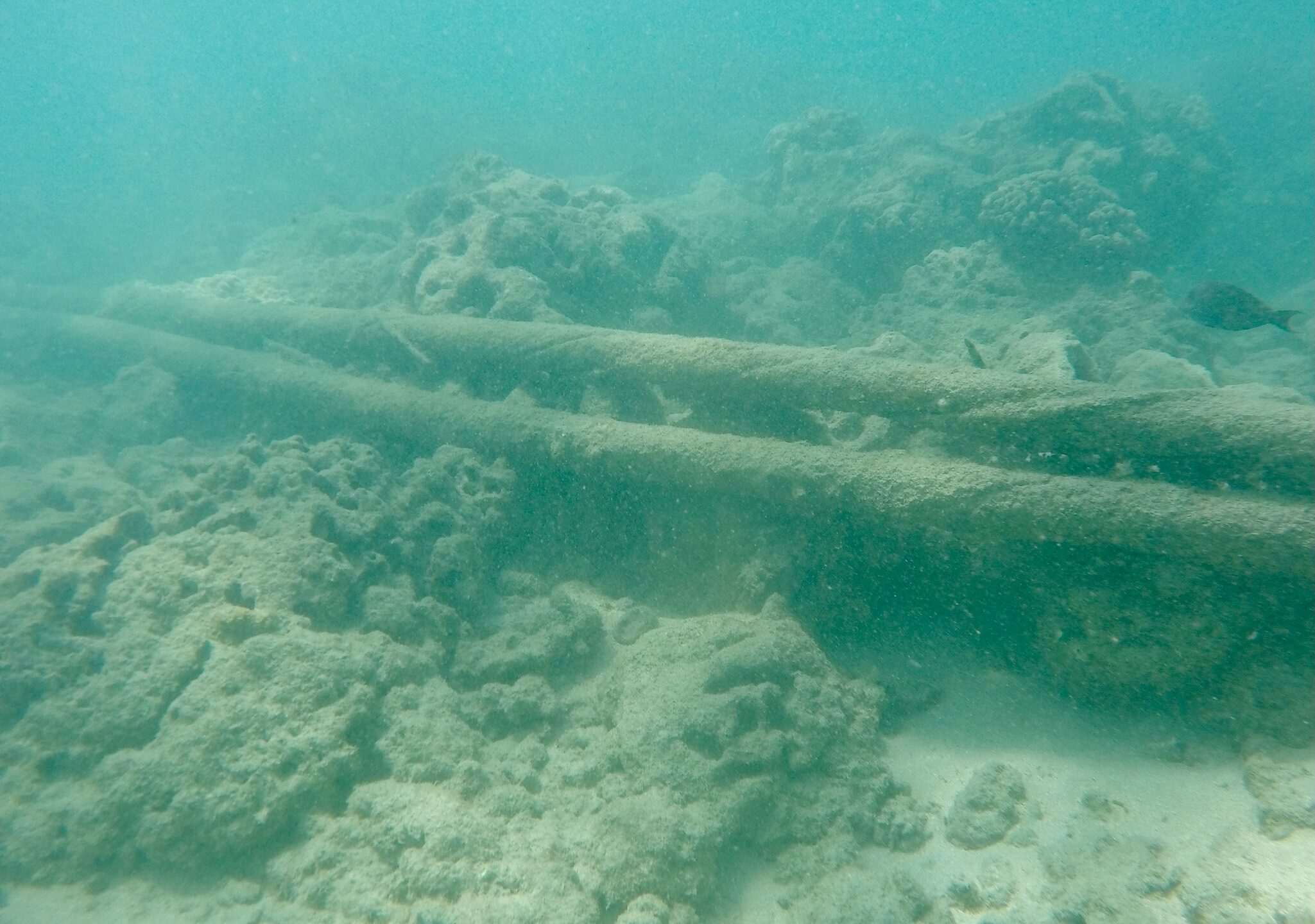
The undersea cable network, the unseen backbone of global communications, carries 95 percent of international data, including financial transactions, military communications and internet connectivity. Despite its vital role, this infrastructure is both vulnerable and poorly defended, lying exposed on the ocean floor and shielded primarily by its obscurity.

Recent incidents in the Baltic Sea and near Taiwan have underscored the risks, with evidence suggesting that powers such as Russia and China are testing the West’s resolve to protect these critical lifelines.

Last month, two undersea cables in the Baltic were severed, disrupting communication between Finland and Germany as well as between Sweden and Lithuania. Suspicion has fallen on the Chinese-flagged bulk carrier boat Yi Peng 3, which was reportedly dragging its anchor across the seabed near the cables while transporting Russian cargo. Investigators believe this may have been an act of sabotage involving tacit cooperation between Beijing and Moscow.

Meanwhile, in Asia, undersea cable disruptions near Taiwan have raised concerns that China could be probing vulnerabilities in anticipation of a potential crisis.

Read at The Hill

Author

Photo of Andrew Latham

Andrew
Latham

Non-Resident Fellow

Defense Priorities

More on Eurasia

Op-edNuclear weapons, Europe and Eurasia, Russia

Russia Is Offering An Informal Nuclear Deal. Washington Should Take It.

By John Grover

February 25, 2026

Op-edNATO, Alliances, Ukraine‑Russia

Europe debates the bomb

By Daniel DePetris

February 19, 2026

Op-edUkraine‑Russia, Europe and Eurasia, Russia, Ukraine

Ukraine and Russia are both suffering as the war enters its fifth year

By Daniel DePetris

February 10, 2026

Op-edGrand strategy, Iran, Ukraine, Ukraine‑Russia, US‑Israel‑Iran

What happens when we give Europe first dibs on U.S. missiles for war

By Jennifer Kavanagh

February 9, 2026

Op-edNuclear weapons, Europe and Eurasia, Russia

Welcome to a Global Nuclear Arms Dilemma

By Daniel DePetris

February 6, 2026

In the mediaNuclear weapons, Russia

Russia warns of response to any U.S. weapons deployment in Greenland

Featuring Jennifer Kavanagh

February 5, 2026

Events on Grand strategy

See All Events
virtualGrand strategy, Military analysis

Assessing the 2026 NDS: How does it deal with defense deficits?

February 9, 2026
virtualEurope and Eurasia, Asia, Grand strategy

Assessing the 2026 NDS: Alignment with restraint?

February 9, 2026
virtualGlobal posture, Grand strategy, Military analysis

Assessing the 2026 NDS: What comes next?

February 9, 2026

Receive expert foreign policy analysis

Join the hub of realism and restraint

Expert updates and analysis to enhance your understanding of vital U.S. national security issues

Defense Priority Mono Logo

Our mission is to inform citizens, thought leaders, and policymakers of the importance of a strong, dynamic military—used more judiciously to protect America’s narrowly defined national interests—and promote a realistic grand strategy prioritizing restraint, diplomacy, and free trade to ensure U.S. security.

  • Research
  • Experts
  • About
  • For Media
  • Jobs
  • Donate
  • Privacy Policy
  • Terms and Conditions
  • Contact
© 2026 Defense Priorities Foundation. All rights reserved.