Defense Priorities Defense Priorities
  • Policy Topics
    • US-Israel-Iran
    • Ukraine-Russia
    • Western Hemisphere
    • NATO
    • China
    • Syria
  • Analysis
    • Research
    • Q&A
  • Programs
    • Grand Strategy Program
    • Military Analysis Program
    • Asia Program
    • Middle East Program
  • Experts
  • Events
  • Media
  • About
    • Mission & Vision
    • People
    • Jobs
    • Contact
  • Donate
Select Page
Home / Grand strategy / President Kamala could spell trouble for Israel—but good news for Ukraine
Grand strategy, China, Israel, Ukraine

July 23, 2024

President Kamala could spell trouble for Israel—but good news for Ukraine

By Daniel DePetris

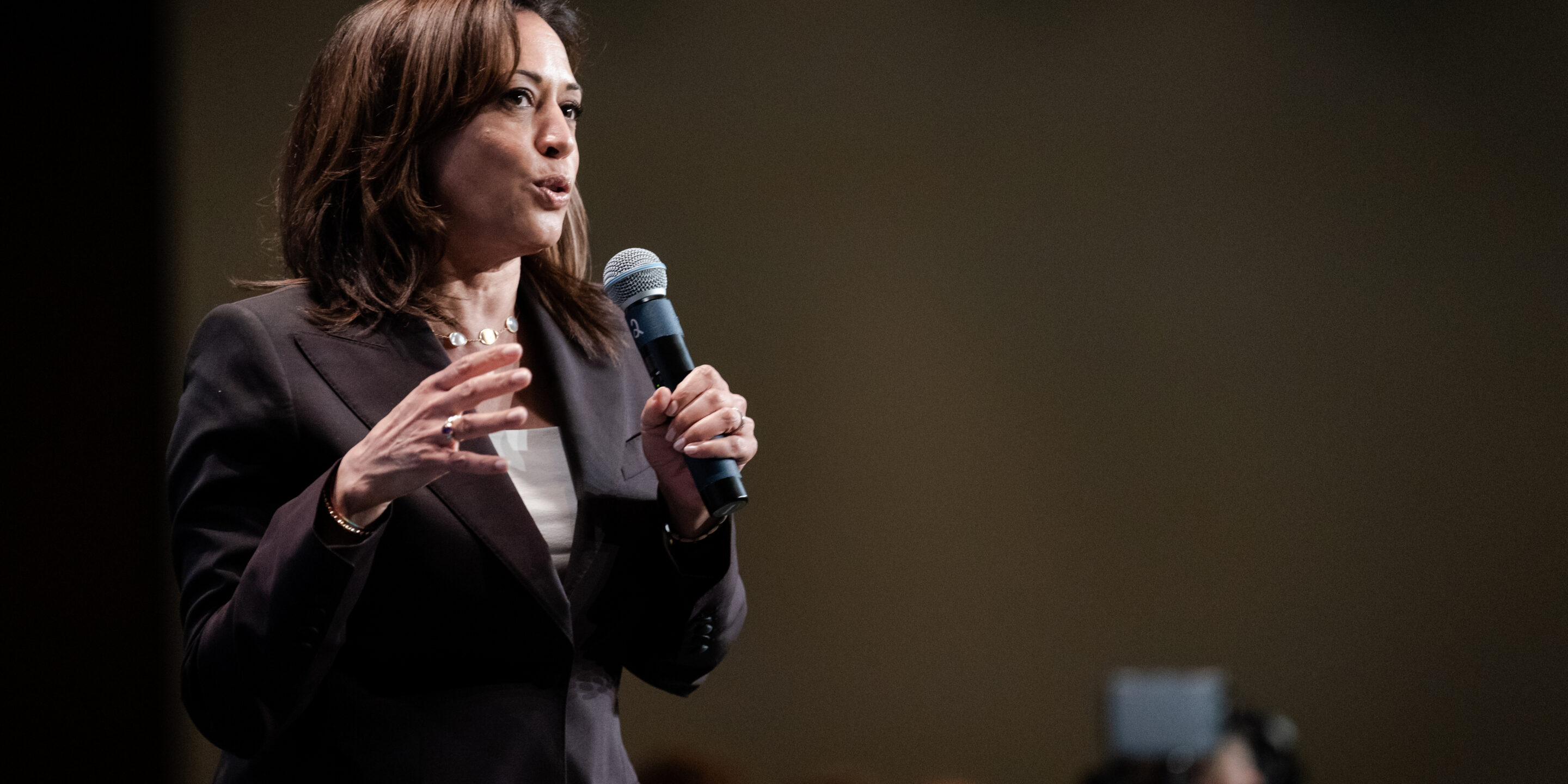
In the two days since Joe Biden dropped his re-election bid and endorsed vice president Kamala Harris as the Democratic party nominee, much attention has been devoted to the mechanics of Biden’s decision, which close advisers or family members may have convinced him to pull out and how the entire episode will shake up the race. But with Harris the strong favourite to become the Democratic’s presidential nominee, it’s worth asking what president Harris could mean for other countries, not least the United State’s allies—and enemies.

Does Harris have a foreign policy agenda, let alone a foreign policy philosophy? It’s a difficult question to answer, because Harris is in many ways the opposite of Joe Biden on the international stage. Biden has been around for a half-century, has a huge rolodex of foreign leaders on his desk and fancies himself an international relations aficionado. Harris, meanwhile, is a relative newcomer on the national stage. She served one six-year term in the United States Senate before running for president herself in the 2020 cycle (where she lost) and joining the Biden ticket. Her work in the Senate focused on criminal justice issues given her role on the Senate Judiciary Committee. Foreign policy or national security played only a minor role. As vice president, she was tasked with finding a way to decrease illegal migration from Central America to the U.S.. And as a top cabinet member, Harris was privy to all the closely-held national security conversations; she was reportedly the last person in the room before Biden decided to withdraw U.S. troops from Afghanistan.

For the most part, foreign policy hasn’t taken up much of her time. Even so, there are nuggets of information embedded in her voting record and policy speeches that offer a few clues about where she stands on certain issues.

Read at The Spectator

Author

Photo of Daniel DePetris

Daniel
DePetris

Fellow

Defense Priorities

More on Western Hemisphere

Op-edWestern Hemisphere, Mexico

The Pentagon is blending the war on drugs with counterterrorism. It isn’t working.

By Daniel DePetris

May 26, 2026

In the mediaWestern Hemisphere, Venezuela

The ‘Donroe Doctrine’ Divide

Featuring Jennifer Kavanagh

May 24, 2026

In the mediaCuba, Western Hemisphere

Trump administration eyes Cuba as possible military victory as Iran talks stall

Featuring Rosemary Kelanic

May 23, 2026

Op-edCuba, Western Hemisphere

Could Trump be about to attack Cuba?

By Daniel DePetris

May 21, 2026

In the mediaCuba, Western Hemisphere

Cuba Girds for Invasion as Trump Launches Raúl Castro Indictment Amid Punishing Blockade

May 20, 2026

In the mediaCuba, China, Western Hemisphere

Cuban drone crisis: U.S. fears Russia-China Caribbean threat

Featuring Daniel DePetris

May 17, 2026

Events on Grand strategy

See All Events
virtualGrand strategy, Military analysis

Assessing the 2026 NDS: How does it deal with defense deficits?

February 9, 2026
virtualEurope and Eurasia, Asia, Grand strategy

Assessing the 2026 NDS: Alignment with restraint?

February 9, 2026
virtualGlobal posture, Grand strategy, Military analysis

Assessing the 2026 NDS: What comes next?

February 9, 2026

Receive expert foreign policy analysis

Join the hub of realism and restraint

Expert updates and analysis to enhance your understanding of vital U.S. national security issues

Defense Priority Mono Logo

Our mission is to inform citizens, thought leaders, and policymakers of the importance of a strong, dynamic military—used more judiciously to protect America’s narrowly defined national interests—and promote a realistic grand strategy prioritizing restraint, diplomacy, and free trade to ensure U.S. security.

  • Research
  • Experts
  • About
  • For Media
  • Jobs
  • Donate
  • Privacy Policy
  • Terms and Conditions
  • Contact
© 2026 Defense Priorities Foundation. All rights reserved.