Defense Priorities Defense Priorities
  • Policy Topics
    • US-Israel-Iran
    • Ukraine-Russia
    • Western Hemisphere
    • NATO
    • China
    • Syria
  • Analysis
    • Research
    • Q&A
  • Programs
    • Grand Strategy Program
    • Military Analysis Program
    • Asia Program
    • Middle East Program
  • Experts
  • Events
  • Media
  • About
    • Mission & Vision
    • People
    • Jobs
    • Contact
  • Donate
Select Page
Home / Grand strategy / Predator or prey? It’s the wrong question for great powers today
Grand strategy, Global posture

April 7, 2025

Predator or prey? It’s the wrong question for great powers today

By Erik Gartzke

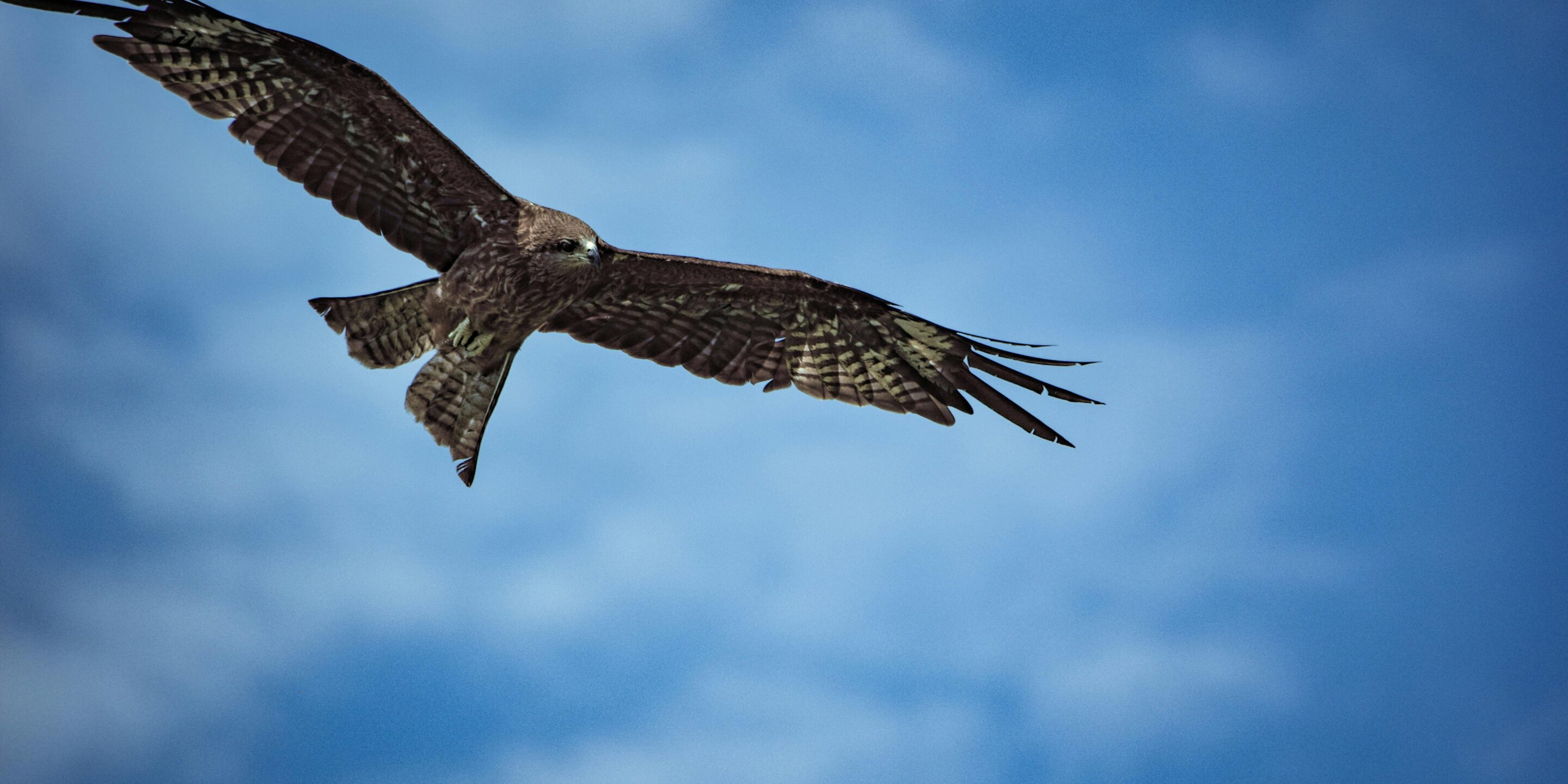
It is better to be the predator than the prey. This intuition is no doubt on the minds of many in Donald Trump’s Washington, as well as other world capitals right now.

But there is one very important caveat to this logic, one that is especially salient for those few nations powerful enough to call the shots for (most) everyone else. This caveat derives from ecology—or the logic of groups rather than individuals—and the fact that, as a community, predators are strictly limited by the amount of prey that is available.

A group of creatures cannot grow in calorie terms beyond their food supply. Similarly, a tribe of raiding nomads is bound by the number of villages they can plunder. In contrast, nations can grow beyond their prey. Ancient empires like Rome and dynasties like in China expanded to the limits of the known world. To do so, they had to morph from predators into creators and facilitators.

What ancient empires came to understand was that more wealth and power could be had by cooperating with their neighbors—proscribing their predation—than by seeking to plunder them. The “pax Romana” was not woke; it was wise. Shrewd leaders of great powers do best by making good use of an important asset: trust.

Read at The American Conservative

Author

Photo of Erik Gartzke

Erik
Gartzke

Non-Resident Fellow

Defense Priorities

More on Western Hemisphere

Op-edMexico, Western Hemisphere

Why the CIA deaths are a problem for Mexico

By Daniel DePetris

April 25, 2026

In the mediaWestern Hemisphere, Venezuela

Budgetary Costs of U.S. Military Operations in Venezuela, the Caribbean, and the Eastern Pacific, August 1, 2025 – March 31, 2026

Featuring Jennifer Kavanagh

April 23, 2026

Op-edCuba, Western Hemisphere

Trump can get a win in Cuba, but not with military force

By Adam Gallagher

April 23, 2026

In the mediaWestern Hemisphere

Trump Has Already Spent at Least $4.7 Billion Attacking Latin America

Featuring Jennifer Kavanagh

April 23, 2026

Op-edWestern Hemisphere, Mexico, Venezuela

Trump Is Getting His Way in Latin America. But Bully Tactics Have a Cost—and the Bill Is Coming Due

By Daniel DePetris

March 30, 2026

Q&AGrand strategy, Cuba, Western Hemisphere

Will U.S. pressure lead to regime collapse in Cuba?

By Daniel DePetris

March 27, 2026

Events on Grand strategy

See All Events
virtualGlobal posture, Grand strategy, Military analysis

Assessing the 2026 NDS: What comes next?

February 9, 2026
virtualEurope and Eurasia, Asia, Grand strategy

Assessing the 2026 NDS: Alignment with restraint?

February 9, 2026
virtualNATO, Alliances, Burden sharing, Europe and Eurasia, Grand strategy

Assessing the 2026 NDS: Will it usher in burden shifting?

February 9, 2026

Receive expert foreign policy analysis

Join the hub of realism and restraint

Expert updates and analysis to enhance your understanding of vital U.S. national security issues

Defense Priority Mono Logo

Our mission is to inform citizens, thought leaders, and policymakers of the importance of a strong, dynamic military—used more judiciously to protect America’s narrowly defined national interests—and promote a realistic grand strategy prioritizing restraint, diplomacy, and free trade to ensure U.S. security.

  • Research
  • Experts
  • About
  • For Media
  • Jobs
  • Donate
  • Privacy Policy
  • Terms and Conditions
  • Contact
© 2026 Defense Priorities Foundation. All rights reserved.