Defense Priorities Defense Priorities
  • Policy Topics
    • Iran
    • Western Hemisphere
    • Ukraine-Russia
    • NATO
    • China
    • Syria
  • Analysis
    • Research
    • Q&A
  • Programs
    • Grand Strategy Program
    • Military Analysis Program
    • Asia Program
    • Middle East Program
  • Experts
  • Events
  • Media
  • About
    • Mission & Vision
    • People
    • Jobs
    • Contact
  • Donate
Select Page
Home / Syria / Navigating security, economy, and diplomacy in post-Assad Syria
Syria, Middle East

April 1, 2025

Navigating security, economy, and diplomacy in post-Assad Syria

By Alexander Langlois

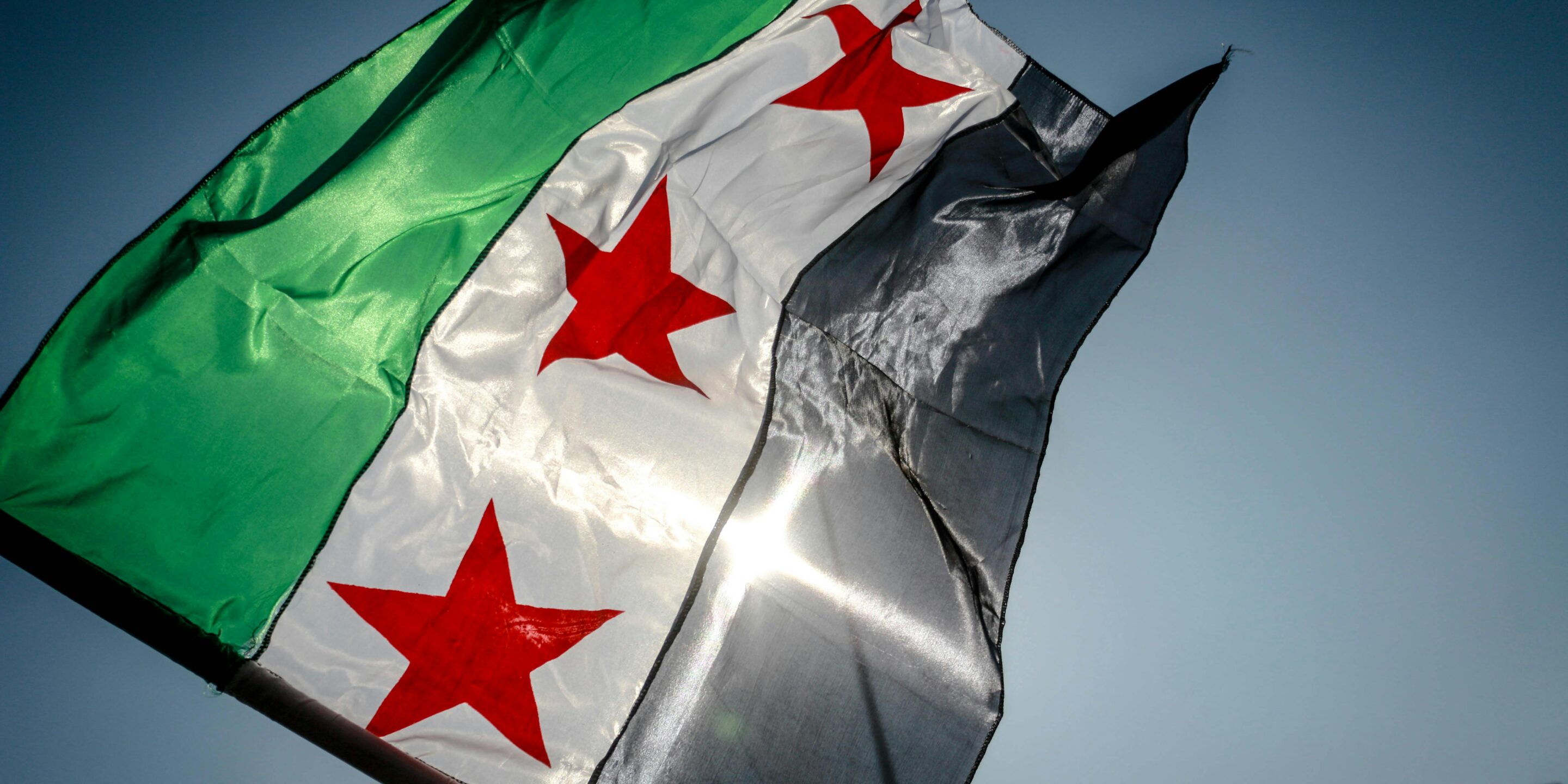
The new Syrian caretaker government faces many challenges after 14 years of brutal conflict ended with the Assad regime’s abrupt collapse in December. In a country facing a plethora of urgent needs, interim Syrian President Ahmed al-Shara’a is focusing on improving the economy and stabilizing security—utilizing international diplomacy to achieve these goals while postponing moves toward a democratic transition.

Al-Shara’a quickly appointed an interim government after the Assad regime’s collapse—mostly consisting of former ministers who had governed Idlib province under the rule of the now-dissolved Hay’at Tahrir al-Sham, a Sunni Jihadist faction formerly associated with al-Qaeda. This move initially fostered concerns in Syria and internationally that al-Shara’a’s aim was to install an Islamist government over the entire country. Yet the decision reflected the reality that government entities had become largely defunct and corrupt under Assad. Additionally, al-Shara’a inherited a collage of political and military entities with complex and varying alliances that were failing to provide essential services to the Syrian people. The economy remains collapsed, with 90 percent of Syrians living under the poverty line.

On March 29, al-Shara’a named a new caretaker government that included two mainstream activists, a woman and members of the Christian, Druze, Alawite and Kurdish minorities but kept loyalist Sunni Muslims as heads of the sensitive defense, foreign affairs and interior ministries.

A local source who spoke to this author on condition of anonymity prior to the announcement was blunt: “al-Shara’a has had to rely on officials he can trust as the country remains a failed state with active resistance from Assad loyalists and attacks from neighboring states like Lebanon and Israel. A lack of unified governance would have ended in more war.”

Read at Stimson Center

Author

Alexander
Langlois

Contributing Fellow

Defense Priorities

More on Middle East

op-edIran, Middle East

Provoking a war with Iran could be a deadly miscalculation for Trump

By Rosemary Kelanic

February 12, 2026

Press ReleaseSyria, Middle East

Drawdown from Syria a success worth scaling

By Rosemary Kelanic

February 12, 2026

op-edU.S.‑Iran, Iran, Middle East

Trump’s maximalism could derail Iran negotiations

By Daniel DePetris

February 12, 2026

op-edSyria, Middle East

What the latest ceasefire and unification deal means for Syria

By Alexander Langlois

February 9, 2026

op-edGrand strategy, Iran, U.S.‑Iran, Ukraine, Ukraine‑Russia

What happens when we give Europe first dibs on U.S. missiles for war

By Jennifer Kavanagh

February 9, 2026

op-edSyria, Middle East

The U.S. couldn’t prop up the Kurds forever

By Rosemary Kelanic

February 4, 2026

Events on Syria

See All Events
virtualMiddle East, Basing and force posture, Diplomacy, Houthis, Iran, Iraq, Israel, Israel‑Hamas, Military analysis, Syria

Trump in the Middle East: Impacts, implications, and alternatives

May 16, 2025
virtualSyria, Balance of power, Basing and force posture, Counterterrorism, Middle East, Military analysis

Syria after Assad: Prospects for U.S. withdrawal

February 21, 2025
virtualMiddle East, Iran, Israel‑Hamas, Israel‑Iran, Syria, Yemen

Keeping the U.S. out of war in the Middle East

January 16, 2024

Receive expert foreign policy analysis

Join the hub of realism and restraint

Expert updates and analysis to enhance your understanding of vital U.S. national security issues

Defense Priority Mono Logo

Our mission is to inform citizens, thought leaders, and policymakers of the importance of a strong, dynamic military—used more judiciously to protect America’s narrowly defined national interests—and promote a realistic grand strategy prioritizing restraint, diplomacy, and free trade to ensure U.S. security.

  • Research
  • Experts
  • About
  • For Media
  • Jobs
  • Donate
  • Privacy Policy
  • Terms and Conditions
  • Contact
© 2026 Defense Priorities All Right Reserved