Defense Priorities Defense Priorities
  • Policy Topics
    • Venezuela
    • China
    • Israel-Hamas
    • Ukraine-Russia
    • NATO
    • Syria
  • Analysis
    • Research
    • Q&A
  • Programs
    • Grand Strategy Program
    • Military Analysis Program
    • Asia Program
    • Middle East Program
  • Experts
  • Events
  • Media
  • About
    • Mission & Vision
    • People
    • Jobs
    • Contact
  • Donate
Select Page
Home / Syria / Mr. al-Shara’a visits Washington
Syria, Middle East

November 8, 2025

Mr. al-Shara’a visits Washington

By Alexander Langlois

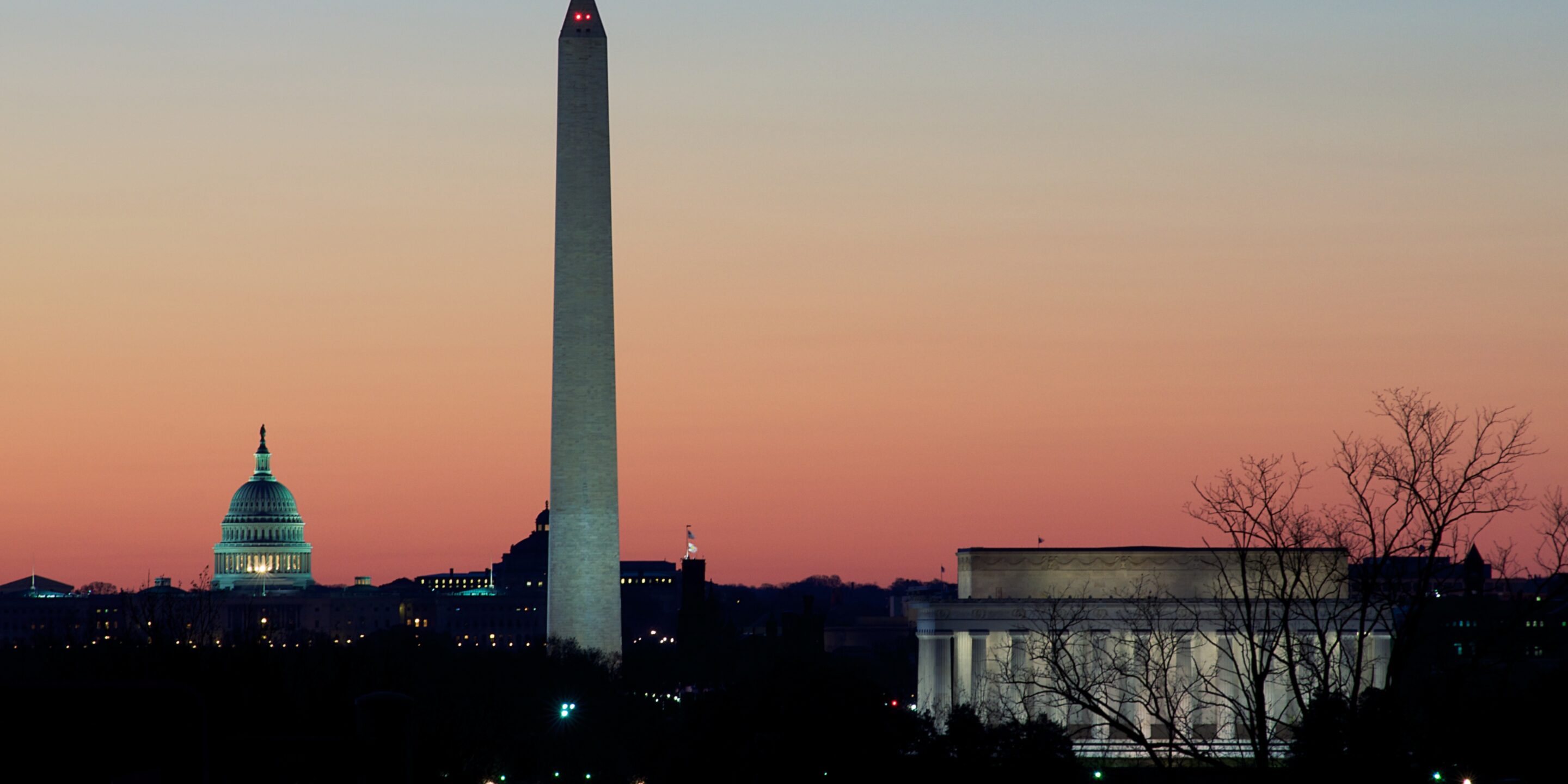
Syrian President Ahmed al-Shara’a, leader of the new transitional government in Damascus, is set to make a historic visit to Washington to meet with President Donald Trump on Monday. The state visit is a significant moment in the historically difficult relations between the two countries, marking a major shift from Washington’s adversarial relationship with former dictator Bashar al-Assad. While closer ties are welcome, the United States should avoid deeper military involvement in the conflict-scarred country, recognizing that economic and diplomatic tools are sufficient to achieve U.S. interests in Syria, including the country’s successful transition to a functional state.

The al-Shara’a-Trump meeting comes nearly one year after the collapse of the decades-old Assad family regime, which saw the former jihadist leader of Hay’at Tahrir al-Sham (HTS)—formerly aligned with Al-Qaeda—shed his past and claim leadership over Syria. The Trump administration quickly moved, following support from key Middle East countries like Saudi Arabia, Qatar, and Turkey, to support the new transitional authority, lifting sanctions and offering international legitimacy to the new rulers.

In parallel, Washington has moved to lower its military footprint in the country. Since coming into office, the Trump administration has withdrawn an estimated 1,000 troops from Syria. Further, the Pentagon has drawn up plans to remove all troops in a bid to transfer responsibility to a new, unified Syrian government. The goal is to provide intelligence support to Damascus, which—alongside the U.S.-backed Syrian Democratic Forces (SDF)—would take the lead on anti-ISIS missions as part of their duty to manage the country’s domestic security.

That approach is wise for multiple reasons. For one, Washington has no business in prolonging the U.S. troop deployment in Syria and has never done so legally—namely with the U.S. Congress passing an Authorization for the Use of Military Force (AUMF). Multiple administrations have relied on the faulty legal argument that because ISIS stems from al-Qaeda, the former 2001 AUMF targeting the latter can be extended to the former. Simply put, the American people have not had a fair say in the deployment of U.S. troops to a faraway country to fight ISIS.

Read at Real Clear World

Author

Alexander
Langlois

Contributing Fellow

Defense Priorities

More on Middle East

op-edMiddle East

The Saudi-UAE schism could make Trump’s job even harder

By Daniel DePetris

January 2, 2026

op-edGrand strategy, Israel‑Hamas, Middle East

The foreign policy moves Donald Trump got right this year

By Daniel DePetris

December 30, 2025

In the mediaIran, Israel‑Hamas, Israel‑Iran, Middle East

Iran’s nuclear reset shows airstrikes may not end ambitions

Featuring Rosemary Kelanic

December 29, 2025

op-edGrand strategy, Africa, Middle East

Trump wants a Nobel prize. But his record as a peacemaker is mixed at best.

By Daniel DePetris

December 28, 2025

In the mediaSyria, Counterterrorism, Middle East

After strike on American troops, what’s next for the U.S. in Syria?

Featuring Rosemary Kelanic

December 18, 2025

In the mediaSyria, Counterterrorism, Middle East

Deadly ISIS attack tests Trump’s Syria policy, ability to retaliate

Featuring Rosemary Kelanic

December 18, 2025

Events on Syria

See All Events
virtualMiddle East, Basing and force posture, Diplomacy, Houthis, Iran, Iraq, Israel, Israel‑Hamas, Military analysis, Syria

Trump in the Middle East: Impacts, implications, and alternatives

May 16, 2025
virtualSyria, Balance of power, Basing and force posture, Counterterrorism, Middle East, Military analysis

Syria after Assad: Prospects for U.S. withdrawal

February 21, 2025
virtualMiddle East, Iran, Israel‑Hamas, Israel‑Iran, Syria, Yemen

Keeping the U.S. out of war in the Middle East

January 16, 2024

Receive expert foreign policy analysis

Join the hub of realism and restraint

Expert updates and analysis to enhance your understanding of vital U.S. national security issues

Defense Priority Mono Logo

Our mission is to inform citizens, thought leaders, and policymakers of the importance of a strong, dynamic military—used more judiciously to protect America’s narrowly defined national interests—and promote a realistic grand strategy prioritizing restraint, diplomacy, and free trade to ensure U.S. security.

  • Research
  • Experts
  • About
  • For Media
  • Jobs
  • Donate
  • Privacy Policy
  • Terms and Conditions
  • Contact
© 2026 Defense Priorities All Right Reserved