Defense Priorities Defense Priorities
  • Policy Topics
    • Iran
    • Western Hemisphere
    • Ukraine-Russia
    • NATO
    • China
    • Syria
  • Analysis
    • Research
    • Q&A
  • Programs
    • Grand Strategy Program
    • Military Analysis Program
    • Asia Program
    • Middle East Program
  • Experts
  • Events
  • Media
  • About
    • Mission & Vision
    • People
    • Jobs
    • Contact
  • Donate
Select Page
Home / Middle East / Is the U.S. Helping Israel—or Emboldening It To Take Bigger Risks?
Middle East, Air power, Iran, Israel, Israel‑Hamas

October 15, 2024

Is the U.S. Helping Israel—or Emboldening It To Take Bigger Risks?

By Daniel DePetris

On October 1, Israel dodged a bullet—or, more accurately, a barrage of 180 ballistic missiles. Iran’s strike, meant to avenge Israel’s assassination of Hezbollah leader Hassan Nasrallah and a senior Iranian general days earlier, did little damage to Israel’s military infrastructure. For the most part, Israel’s air defense system, aided by U.S. Navy ships based in the Eastern Mediterranean, neutralized the missiles before they landed.

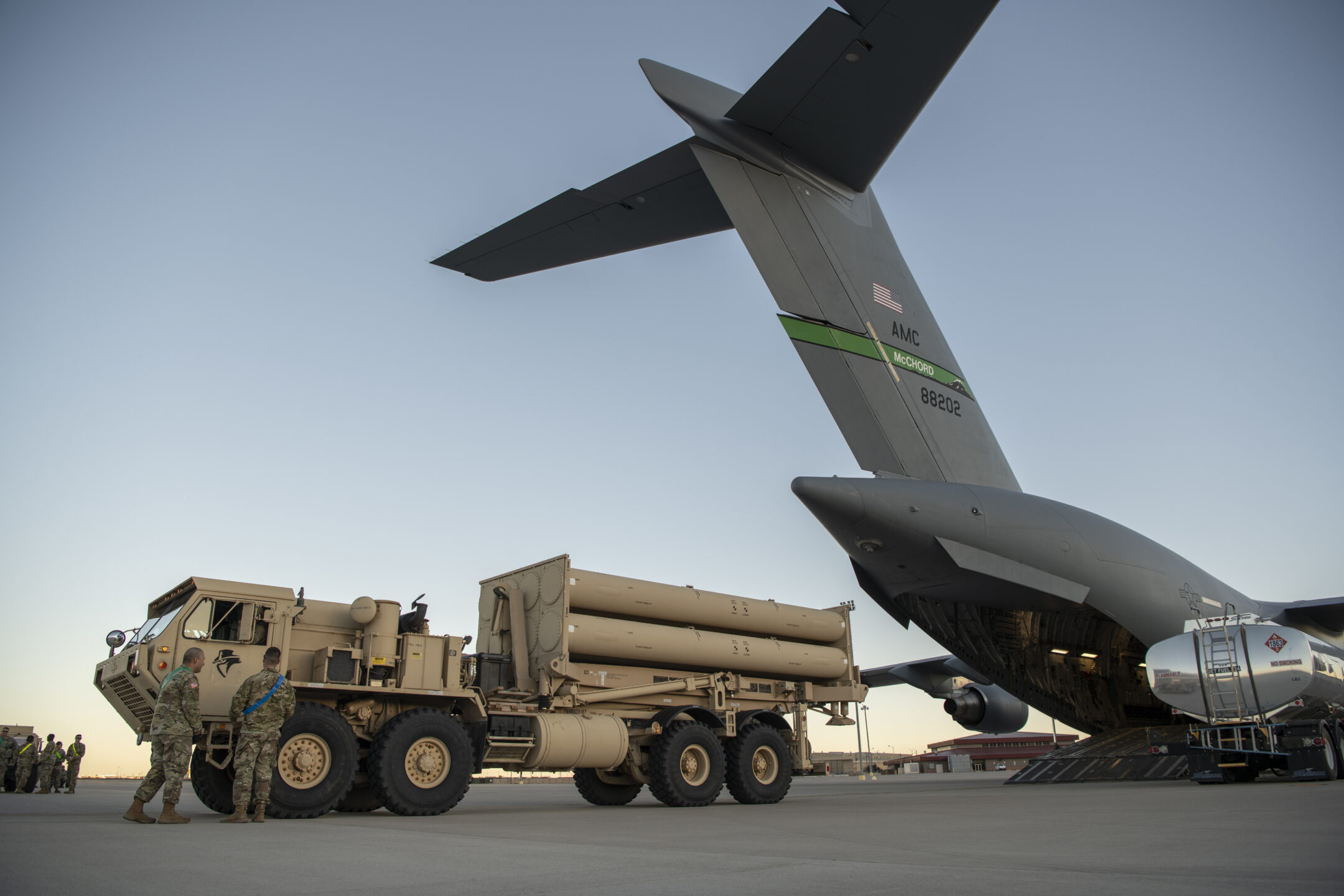
A few dozen, however, did break through Israel’s anti-missile network. Satellite images taken the day after the Iranian attack showed multiple impact points at the Nevatim Airbase, deep in the Negev Desert. U.S. defense officials likely had some of those images in mind over the weekend when they announced the deployment of a U.S. Terminal High-Altitude Area Defense (THAAD) battery, along with a 100-strong U.S. crew, to buttress Israel’s defenses.

The THAAD is a highly sophisticated air defense platform that can intercept medium- and intermediate-range missiles, above and beyond what the trademark U.S. Patriot system can do. There are only nine THAAD batteries available at any one time, so the fact that one was so rapidly moved to Israel demonstrates just how concerned the Biden administration is about hostilities with Iran flaring up in the days and weeks to come.

Read at Newsweek

Author

Photo of Daniel DePetris

Daniel
DePetris

Fellow

Defense Priorities

More on Middle East

op-edIran, Middle East

Provoking a war with Iran could be a deadly miscalculation for Trump

By Rosemary Kelanic

February 12, 2026

Press ReleaseSyria, Middle East

Drawdown from Syria a success worth scaling

By Rosemary Kelanic

February 12, 2026

op-edU.S.‑Iran, Iran, Middle East

Trump’s maximalism could derail Iran negotiations

By Daniel DePetris

February 12, 2026

op-edSyria, Middle East

What the latest ceasefire and unification deal means for Syria

By Alexander Langlois

February 9, 2026

op-edGrand strategy, Iran, U.S.‑Iran, Ukraine, Ukraine‑Russia

What happens when we give Europe first dibs on U.S. missiles for war

By Jennifer Kavanagh

February 9, 2026

op-edSyria, Middle East

The U.S. couldn’t prop up the Kurds forever

By Rosemary Kelanic

February 4, 2026

Events on Middle East

See All Events
virtualMiddle East

What’s Next for U.S. Foreign Policy in 2026? Middle East Edition

January 14, 2026
virtualGreat power competition, Balance of power, China, Grand strategy, Middle East

U.S.-China competition and the value of Middle East influence

June 10, 2025
virtualMiddle East, Basing and force posture, Diplomacy, Houthis, Iran, Iraq, Israel, Israel‑Hamas, Military analysis, Syria

Trump in the Middle East: Impacts, implications, and alternatives

May 16, 2025

Receive expert foreign policy analysis

Join the hub of realism and restraint

Expert updates and analysis to enhance your understanding of vital U.S. national security issues

Defense Priority Mono Logo

Our mission is to inform citizens, thought leaders, and policymakers of the importance of a strong, dynamic military—used more judiciously to protect America’s narrowly defined national interests—and promote a realistic grand strategy prioritizing restraint, diplomacy, and free trade to ensure U.S. security.

  • Research
  • Experts
  • About
  • For Media
  • Jobs
  • Donate
  • Privacy Policy
  • Terms and Conditions
  • Contact
© 2026 Defense Priorities All Right Reserved