Defense Priorities Defense Priorities
  • Policy Topics
    • Iran
    • Western Hemisphere
    • Ukraine-Russia
    • NATO
    • China
    • Syria
  • Analysis
    • Research
    • Q&A
  • Programs
    • Grand Strategy Program
    • Military Analysis Program
    • Asia Program
    • Middle East Program
  • Experts
  • Events
  • Media
  • About
    • Mission & Vision
    • People
    • Jobs
    • Contact
  • Donate
Select Page
Home / Nuclear weapons / Is nuclear arms control dead?
Nuclear weapons, Europe and Eurasia, Grand strategy, NATO, Russia

September 3, 2024

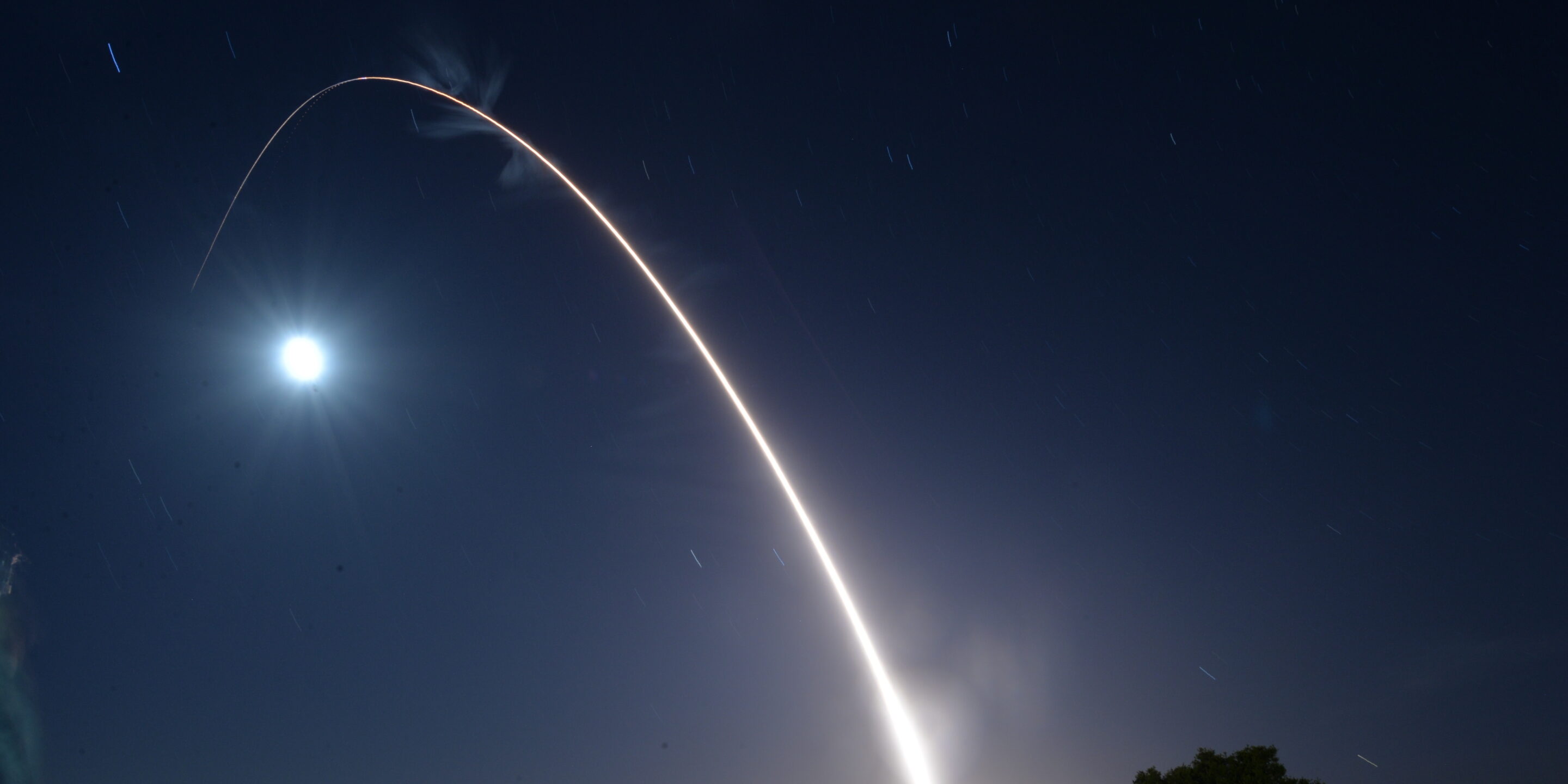
Is nuclear arms control dead?

By Daniel DePetris

There was a time when the subject of nuclear weapons was so consequential to international peace that it could bring even the most intense adversaries into the same room. Increasingly, it feels that this time has passed.

On July 17, China announced that it was suspending arms control talks with Washington, which will cause only more consternation in the Pentagon as Beijing is projected to increase its nuclear arsenal to more than 1,000 warheads by 2030. U.S.-Russia arms control talks are as far off as they’ve ever been, with Russian officials threatening to deploy more nuclear missiles closer to NATO territory in retaliation for future U.S. deployments of long-range, ground-launched missiles into Germany.

Meanwhile, President Joe Biden’s administration has adopted new nuclear guidance to ensure Washington is better prepared to deal with nuclear adversaries Russia, China and North Korea simultaneously.

U.S. attempts to name and shame China and Russia to reenter arms control talks amount to theater. Deploying more intermediate-range missile systems to Europe or Asia is likely to compel China and Russia to pour even more resources into their own strategic weapons systems.

Read at The Chicago Tribune

Author

Photo of Daniel DePetris

Daniel
DePetris

Fellow

Defense Priorities

More on Asia

op-edChina, Asia

China is the bright spot in Trump’s foreign policy

By Lyle Goldstein

February 12, 2026

In the mediaChina, Asia, Nuclear weapons

A U.S.-Russia nuclear disarmament treaty may benefit U.S.-China relations

Featuring Lyle Goldstein

February 4, 2026

op-edAsia

Why the U.S. and South Korea will not jointly construct nuclear submarines

By Lyle Goldstein

January 27, 2026

China, Asia

Fate of China’s top general more likely to do with power struggle than corruption

By Lyle Goldstein

January 26, 2026

op-edGrand strategy, Alliances, China, Greenland, Russia, Western Hemisphere

Russian and Chinese threats to Greenland and the new Arctic sea routes are low

By Lyle Goldstein

January 23, 2026

In the mediaChina, Asia, Military analysis, Naval power

China’s retro submarine design speeds up challenge to U.S. undersea dominance

Featuring Lyle Goldstein

January 23, 2026

Events on Nuclear weapons

See All Events
virtualNATO, Alliances, Deterrence, Europe and Eurasia, Nuclear weapons

New York for Paris? NATO and extended deterrence in a new nuclear age

July 2, 2024
virtualChina, Nuclear weapons

Raising the minimum: explaining China’s nuclear buildup

May 19, 2022
in-personNorth Korea, Asia, Deterrence, Diplomacy, Nuclear weapons

Ending the North Korea standoff

March 5, 2018

Receive expert foreign policy analysis

Join the hub of realism and restraint

Expert updates and analysis to enhance your understanding of vital U.S. national security issues

Defense Priority Mono Logo

Our mission is to inform citizens, thought leaders, and policymakers of the importance of a strong, dynamic military—used more judiciously to protect America’s narrowly defined national interests—and promote a realistic grand strategy prioritizing restraint, diplomacy, and free trade to ensure U.S. security.

  • Research
  • Experts
  • About
  • For Media
  • Jobs
  • Donate
  • Privacy Policy
  • Terms and Conditions
  • Contact
© 2026 Defense Priorities All Right Reserved