Defense Priorities Defense Priorities
  • Policy Topics
    • Iran
    • Western Hemisphere
    • Ukraine-Russia
    • NATO
    • China
    • Syria
  • Analysis
    • Research
    • Q&A
  • Programs
    • Grand Strategy Program
    • Military Analysis Program
    • Asia Program
    • Middle East Program
  • Experts
  • Events
  • Media
  • About
    • Mission & Vision
    • People
    • Jobs
    • Contact
  • Donate
Select Page
Home / Grand strategy / Is multipolarity destined to destabilize the world?
Grand strategy, Global posture, Great power competition

December 12, 2024

Is multipolarity destined to destabilize the world?

By Andrew Latham

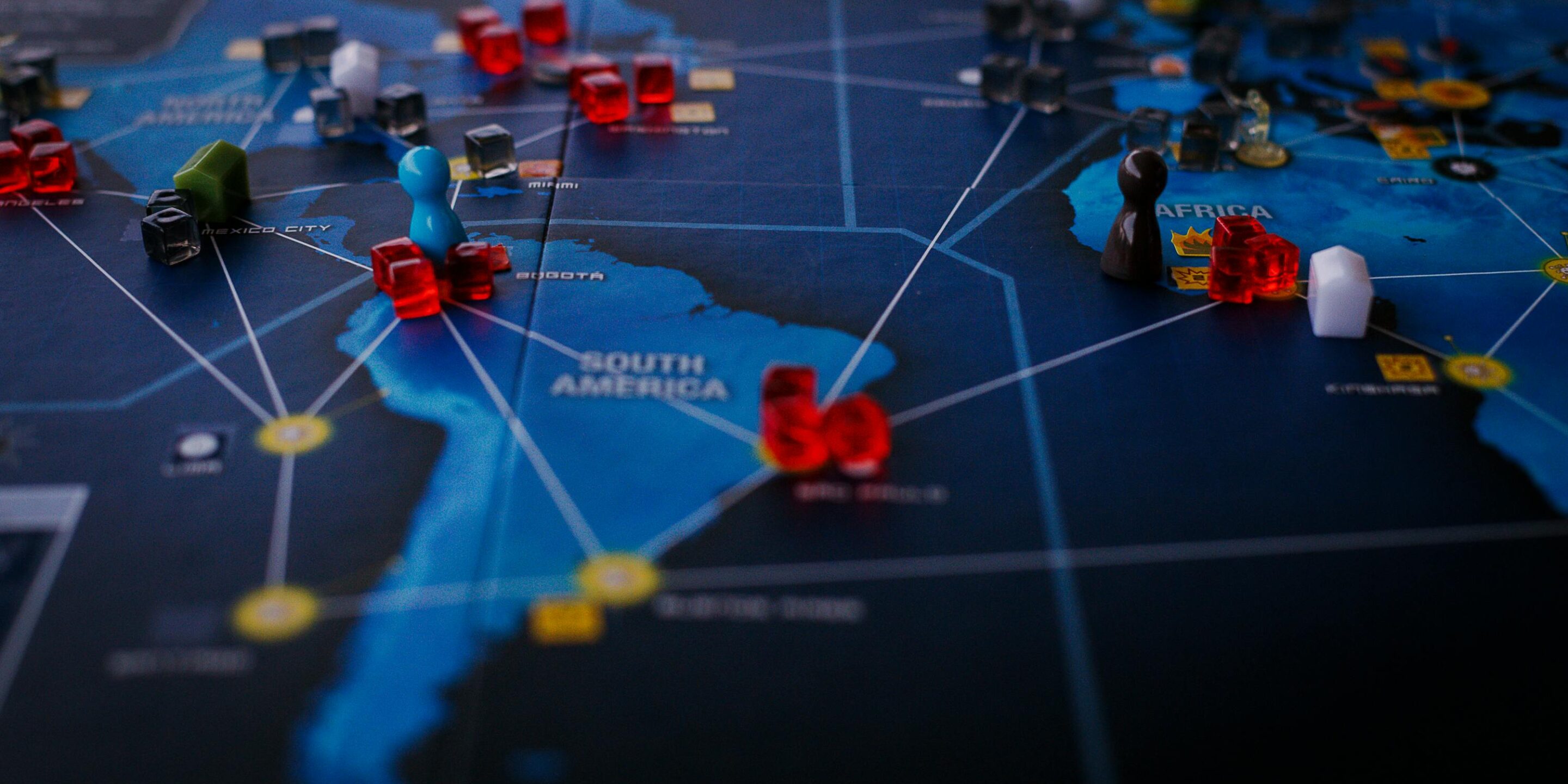
Concerns about the shifting global order have grown as we transition from a unipolar world, dominated by the United States since the end of the Cold War, to a more fragmented, multipolar landscape. The rise of new powers—China, India, Turkey, and Iran among them—has ushered in what many see as an era of multipolarity. For some, this raises hopes for a more balanced international system, while others fear multipolarity will unleash instability, as competing interests collide without a single guiding hand. The question isn’t just whether multipolarity is inevitable; it’s whether it’s inherently destabilizing. The history of multipolar systems is mixed at best, often marked by conflict and competition. However, the historical precedent of the “Concert of Europe” offers an intriguing model for managing today’s emerging multipolarity through a balance of power, cooperation, and, critically, restraint. A modern concert of powers could help the world’s leading states coexist without the endless interventionism that risks turning multipolarity into a dangerous free-for-all.

To understand today’s instability, it’s worth reflecting on the unique conditions that arose after the Cold War, when the U.S. became the world’s unrivaled superpower. America’s unipolar moment spread liberal democratic values and market capitalism across the globe, fueled by the optimism of a new world order. But while the West celebrated the “end of history,” these values met resistance in many parts of the world. Efforts to universalize Western norms—from open markets to democratic governance—often clashed with traditional or authoritarian structures, sparking pushback from states that saw these changes as incompatible with their own interests.

Read at E-International Relations

Author

Photo of Andrew Latham

Andrew
Latham

Non-Resident Fellow

Defense Priorities

More on Western Hemisphere

op-edVenezuela, Western Hemisphere

LTE: Trump rakes the path of least resistance in Venezuela

By Daniel DePetris

February 5, 2026

op-edGrand strategy

Whatever happened to ‘America first?’

By Adam Gallagher

February 4, 2026

op-edWestern Hemisphere

Welcome the good meeting between Trump and Colombia’s Gustavo Petro

By Daniel DePetris

February 3, 2026

op-edGrand strategy, Greenland, NATO, Western Hemisphere

Donald Trump is endangering U.S. alliances

By Christopher McCallion

January 30, 2026

jet plane on the sky
op-edWestern Hemisphere, Greenland

Why the U.S. can and should leave Greenland alone for now

By Peter Harris

January 30, 2026

op-edGrand strategy, Alliances, Diplomacy

The end of ‘Pax Americana’ and start of a ‘post-American’ era doesn’t necessarily mean the world will be less safe

By Peter Harris

January 28, 2026

Events on Grand strategy

See All Events
virtualGlobal posture, Grand strategy, Military analysis

Assessing the 2026 NDS: What comes next?

February 9, 2026
virtualEurope and Eurasia, Asia, Grand strategy

Assessing the 2026 NDS: Alignment with restraint?

February 9, 2026
virtualNATO, Alliances, Burden sharing, Europe and Eurasia, Grand strategy

Assessing the 2026 NDS: Will it usher in burden shifting?

February 9, 2026

Receive expert foreign policy analysis

Join the hub of realism and restraint

Expert updates and analysis to enhance your understanding of vital U.S. national security issues

Defense Priority Mono Logo

Our mission is to inform citizens, thought leaders, and policymakers of the importance of a strong, dynamic military—used more judiciously to protect America’s narrowly defined national interests—and promote a realistic grand strategy prioritizing restraint, diplomacy, and free trade to ensure U.S. security.

  • Research
  • Experts
  • About
  • For Media
  • Jobs
  • Donate
  • Privacy Policy
  • Terms and Conditions
  • Contact
© 2026 Defense Priorities All Right Reserved