Defense Priorities Defense Priorities
  • Policy Topics
    • Iran
    • Western Hemisphere
    • Ukraine-Russia
    • NATO
    • China
    • Syria
  • Analysis
    • Research
    • Q&A
  • Programs
    • Grand Strategy Program
    • Military Analysis Program
    • Asia Program
    • Middle East Program
  • Experts
  • Events
  • Media
  • About
    • Mission & Vision
    • People
    • Jobs
    • Contact
  • Donate
Select Page
Home / Middle East / Get U.S. troops out of harm’s way, now
Middle East, Grand strategy, Iraq

April 15, 2024

Get U.S. troops out of harm’s way, now

By Daniel DePetris

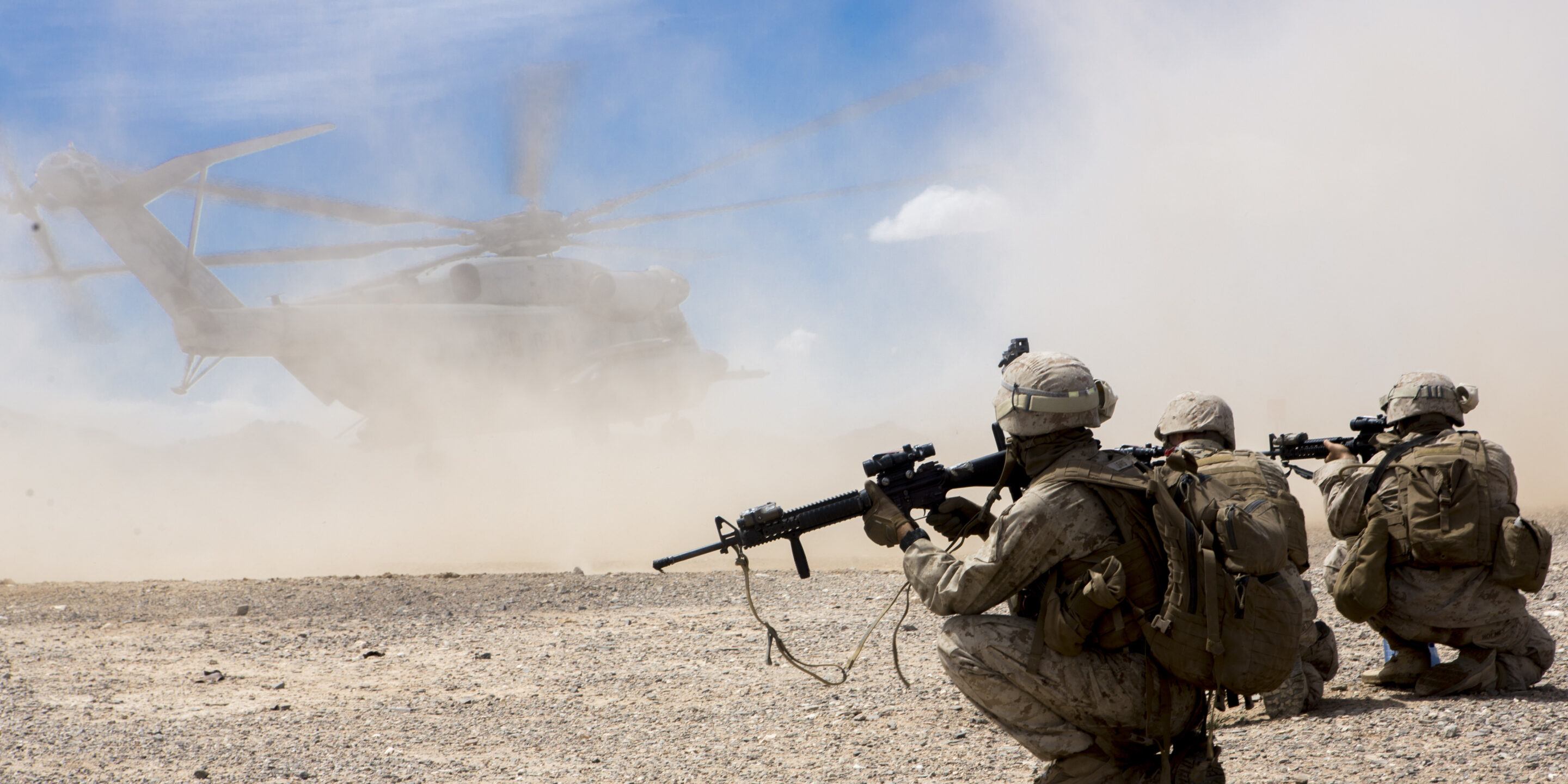
The subject of finally concluding America’s counter-ISIS mission in Iraq has been the plot of ongoing deliberations between Washington and Baghdad for the last three years. Monday’s White House meeting between President Joe Biden and Iraqi Prime Minister Mohammed Shia al-Sudani must be the moment that the story is finally brought to a conclusion. Iran’s attack on Israel this weekend only strengthens the case.

Withdrawing the roughly 2,500 U.S. troops that remain in Iraq to combat ISIS, which has been relegated to a low-level insurgency with a dwindling support base is a testy subject in Washington and Baghdad alike. In Iraq, Sudani is under pressure from his ruling Shia-led coalition to cut military ties with the U.S., which is still seen as an occupying power, or at the very least reorient the bilateral relationship from dependency to normality. Sudani has reportedly expressed his desire to keep U.S. forces in the country for the foreseeable future to ensure ISIS doesn’t resurge, a request his hardline coalition partners will be hard-pressed to support.

At the same time, a troop withdrawal is generally viewed warily in the U.S. foreign policy establishment, particularly if it’s based on a timetable rather than conditions on the ground. As the U.S. ambassador in Iraq said last month, “In the past we have left quickly only to come back, or only to need to continue, so this time I would argue we need to do this in an orderly fashion.”

Understandably, the U.S. is looking for an optimal scenario before pulling the plug on the U.S. troop presence. But back in the real world, optimal scenarios are few and far between. If the Biden administration’s approach is to wait for the perfect time to get out, then it will wait for eternity.

Read at CNN

Author

Photo of Daniel DePetris

Daniel
DePetris

Fellow

Defense Priorities

More on Middle East

op-edIran, Middle East

Provoking a war with Iran could be a deadly miscalculation for Trump

By Rosemary Kelanic

February 12, 2026

Press ReleaseSyria, Middle East

Drawdown from Syria a success worth scaling

By Rosemary Kelanic

February 12, 2026

op-edU.S.‑Iran, Iran, Middle East

Trump’s maximalism could derail Iran negotiations

By Daniel DePetris

February 12, 2026

op-edSyria, Middle East

What the latest ceasefire and unification deal means for Syria

By Alexander Langlois

February 9, 2026

op-edGrand strategy, Iran, U.S.‑Iran, Ukraine, Ukraine‑Russia

What happens when we give Europe first dibs on U.S. missiles for war

By Jennifer Kavanagh

February 9, 2026

op-edSyria, Middle East

The U.S. couldn’t prop up the Kurds forever

By Rosemary Kelanic

February 4, 2026

Events on Middle East

See All Events
virtualMiddle East

What’s Next for U.S. Foreign Policy in 2026? Middle East Edition

January 14, 2026
virtualGreat power competition, Balance of power, China, Grand strategy, Middle East

U.S.-China competition and the value of Middle East influence

June 10, 2025
virtualMiddle East, Basing and force posture, Diplomacy, Houthis, Iran, Iraq, Israel, Israel‑Hamas, Military analysis, Syria

Trump in the Middle East: Impacts, implications, and alternatives

May 16, 2025

Receive expert foreign policy analysis

Join the hub of realism and restraint

Expert updates and analysis to enhance your understanding of vital U.S. national security issues

Defense Priority Mono Logo

Our mission is to inform citizens, thought leaders, and policymakers of the importance of a strong, dynamic military—used more judiciously to protect America’s narrowly defined national interests—and promote a realistic grand strategy prioritizing restraint, diplomacy, and free trade to ensure U.S. security.

  • Research
  • Experts
  • About
  • For Media
  • Jobs
  • Donate
  • Privacy Policy
  • Terms and Conditions
  • Contact
© 2026 Defense Priorities All Right Reserved