Defense Priorities Defense Priorities
  • Policy Topics
    • Venezuela
    • China
    • Israel-Hamas
    • Ukraine-Russia
    • NATO
    • Syria
  • Analysis
    • Research
    • Q&A
  • Programs
    • Grand Strategy Program
    • Military Analysis Program
    • Asia Program
    • Middle East Program
  • Experts
  • Events
  • Media
  • About
    • Mission & Vision
    • People
    • Jobs
    • Contact
  • Donate
Select Page
Home / Europe and Eurasia / Europe couldn’t replace the U.S. in Ukraine, even if it wanted to
Europe and Eurasia, NATO, Russia, Ukraine, Ukraine‑Russia

February 25, 2025

Europe couldn’t replace the U.S. in Ukraine, even if it wanted to

By Daniel DePetris

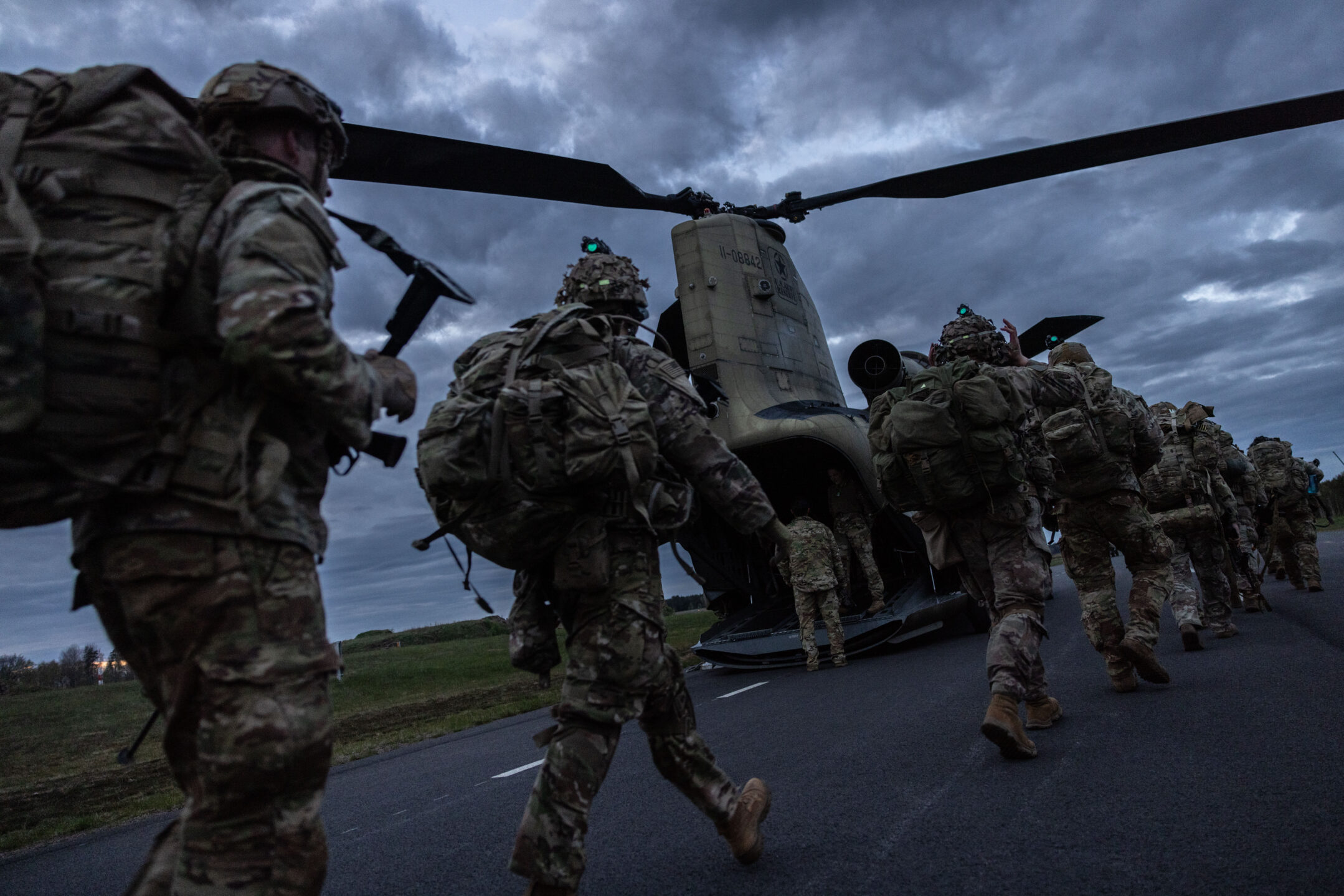
Before embarking on his first visit to the White House since Donald Trump returned to power, French president Emmanuel Macron huddled with UK Prime Minister Sir Keir Starmer and came up with a common position: the Europeans were willing to put tens of thousands of their own troops in Ukraine after a truce is struck with Russia. The plan would involve the deployment of a 30,000-strong European force concentrated in multiple Ukrainian cities behind the ceasefire lines, and rely on the United States to serve as a so-called “backstop” to make it a more credible deterrent in the eyes of the Russians.

Macron pushed this point repeatedly in his meetings in Washington this week. The French president even appeared to try to bounce Trump into becoming a part of his scheme. It didn’t work. Trump merely re-stated his position that a peace settlement needed to be negotiated as soon as possible.

But could Europe handle the Ukraine file on its own even if it wanted to? Despite hurried pledges by Britain and France to increase defence spending in the past few days, one can’t help but be sceptical.

Between the fall of the Soviet Union and Russia’s full-scale invasion of Ukraine in February 2022, Europe was content with watching its defence capacity atrophy and its readiness decline. This was by choice; Europe, after all, was enjoying a presumed peace dividend after the Soviet Union came tumbling down. While the wars in Bosnia and Kosovo in the mid to late 1990s forced European armies into action, great power conflict was treated as a thing of the past. Nato’s expansion to former Soviet states and Washington’s willingness to maintain a position of primacy on the continent meant that European governments had little incentive to worry much about security.

Read at The Telegraph

Author

Photo of Daniel DePetris

Daniel
DePetris

Fellow

Defense Priorities

More on Europe

op-edRussia, Ukraine‑Russia

Seizing empty Russian oil tanker doesn’t serve America’s interests

By Jennifer Kavanagh

January 8, 2026

In the mediaGrand strategy

Daniel Davis discusses the collapse of the ‘rules-based international order’ with Times of London

Featuring Daniel Davis

January 7, 2026

In the mediaGrand strategy, Europe and Eurasia, Ukraine‑Russia

Daniel Davis critiques the ‘coalition of the willing’ in Ukraine-Russia war: LBC

Featuring Daniel Davis

January 6, 2026

op-edUkraine‑Russia, Europe and Eurasia, Russia, Ukraine

Zelensky-Trump meeting produced no winners

By Jennifer Kavanagh

December 29, 2025

op-edUkraine‑Russia, Europe and Eurasia, NATO, Russia, Ukraine

Trump’s security promise to Ukraine may be more dangerous than it looks

By Jennifer Kavanagh

December 26, 2025

Press ReleaseAfrica, Counterterrorism

Refrain from additional strikes in Nigeria

By Jennifer Kavanagh

December 25, 2025

Events on Europe and Eurasia

See All Events
virtualEurope and Eurasia

What’s Next for U.S. Foreign Policy in 2026? Europe Edition

January 14, 2026
virtualUkraine‑Russia, Air power, Diplomacy, Drones, Europe and Eurasia, Land power, Military analysis, Russia, Ukraine

Ukraine’s critical choice: Pursue peace or fight on

April 16, 2025
virtualChina, Alliances, Balance of power, Diplomacy, Grand strategy, Russia

China-Russia: Cooperation or a no-limits alliance?

April 3, 2025

Receive expert foreign policy analysis

Join the hub of realism and restraint

Expert updates and analysis to enhance your understanding of vital U.S. national security issues

Defense Priority Mono Logo

Our mission is to inform citizens, thought leaders, and policymakers of the importance of a strong, dynamic military—used more judiciously to protect America’s narrowly defined national interests—and promote a realistic grand strategy prioritizing restraint, diplomacy, and free trade to ensure U.S. security.

  • Research
  • Experts
  • About
  • For Media
  • Jobs
  • Donate
  • Privacy Policy
  • Terms and Conditions
  • Contact
© 2026 Defense Priorities All Right Reserved