Defense Priorities Defense Priorities
  • Policy Topics
    • US-Israel-Iran
    • Ukraine-Russia
    • Western Hemisphere
    • NATO
    • China
  • Analysis
    • Policy Papers
    • Symposia
    • Q&A
    • Polls
    • Grand Strategy Explained
    • Target Taiwan
  • Programs
    • Grand Strategy Program
    • Military Analysis Program
    • Asia Program
    • Middle East Program
  • Experts
  • Events
  • Media
  • About
    • Mission & Vision
    • People
    • Jobs
    • Contact
  • Donate
Select Page
Home / Israel-Hamas / Doing something can be worse than doing nothing
Israel‑Hamas, Grand strategy, Israel, Middle East

June 14, 2024

Doing something can be worse than doing nothing

By Alexander Langlois

Winston Churchill once argued that “perfection is the enemy of progress” — a statement that certainly does not describe the US pier operation in Gaza. While the publicly stated goal of alleviating the humanitarian suffering of Palestinians trapped in the small coastal enclave is commendable, the reality is that the project was a failure before it broke apart. Rather than opt for additional band-aid fixes, the Biden administration should simplify its approach — namely by pressuring Israel to allow aid into Gaza from land crossings while providing relief workers real security guarantees.

The humanitarian situation has deteriorated in Gaza since Israel’s invasion following the Hamas attacks of October 7. An ongoing Israeli and Egyptian blockade of the territory — which the Israeli government hardened in October — has most of the roughly 2.5 million Palestinians in Gaza struggling to survive. According to the United Nations, 1.1 million Palestinians face catastrophic levels of food insecurity, or famine conditions, with another 1.7 million displaced.

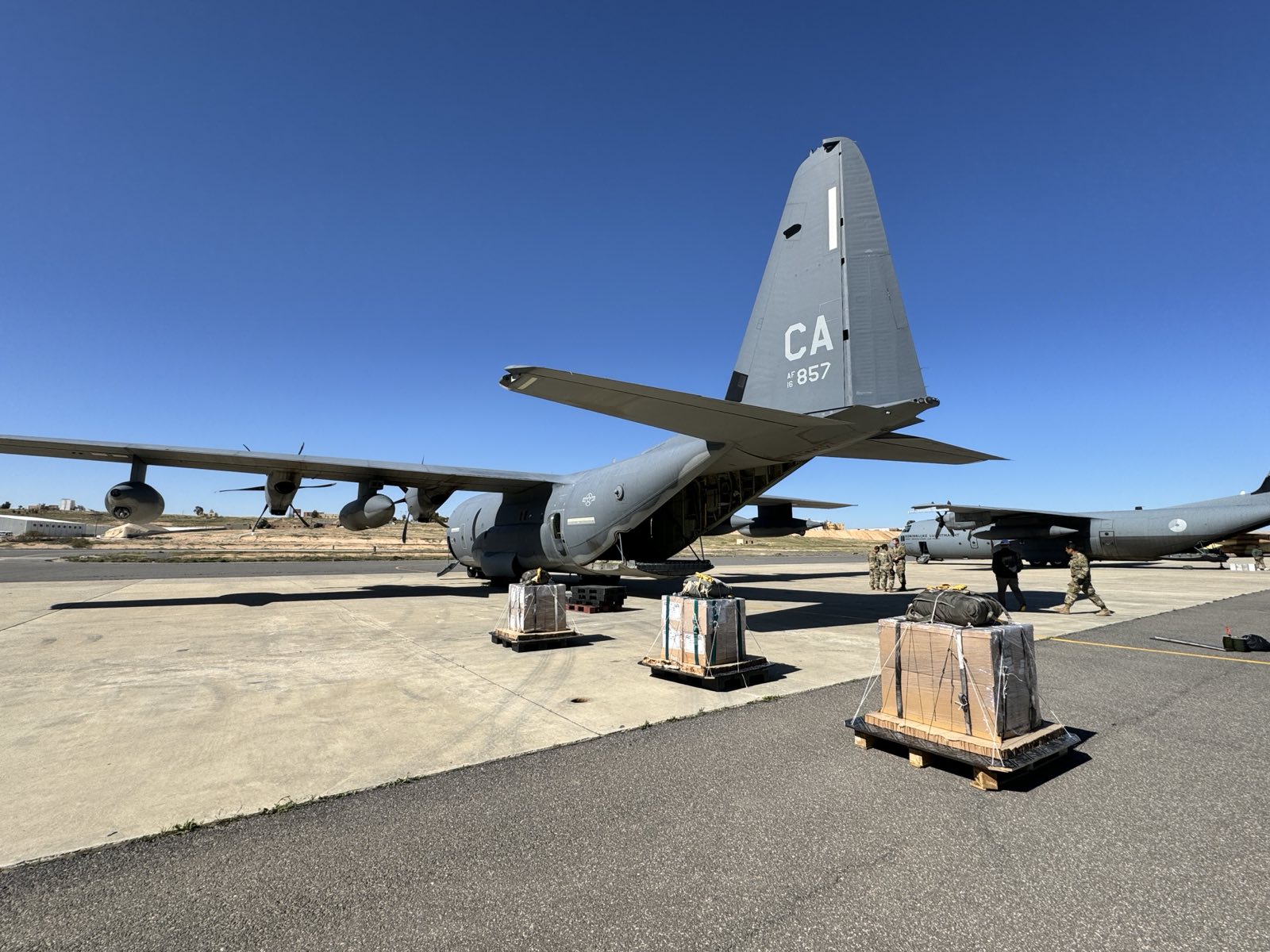
Washington has pressured Israel to open more land crossings into Gaza, albeit sporadically. The Biden administration also began working with regional partners to conduct airdrops into the enclave.

Both efforts proved to have serious limitations due to Israeli slow-rolling and the inefficiency of airdrops, leading Biden to announce plans to deploy the temporary pier operation. The administration stressed that no US troops would be on the ground in Gaza for the operation. It also argued the pier would cost roughly $180 million initially, with those costs increasing to $320 million over time.

Read at The Critic

Author

Alexander
Langlois

Contributing Fellow

Defense Priorities

More on Middle East

Op-edUS‑Israel‑Iran, Iran, Middle East

It’s Time To Walk Away From the Iran War

By Adam Gallagher

July 15, 2026

Op-edUS‑Israel‑Iran, Iran, Middle East

Trump can’t escape the Iran war

By Daniel DePetris

July 14, 2026

Op-edUS‑Israel‑Iran, Iran, Middle East

The U.S. and Iran are back at war. Could it sink Donald Trump’s presidency?

By Daniel DePetris

July 14, 2026

In the mediaUS‑Israel‑Iran, Iran, Middle East

Trump retreat over Hormuz tolls suggests he is struggling to end Iran war

Featuring Rosemary Kelanic

July 14, 2026

In the mediaUS‑Israel‑Iran, Iran, Middle East

The United States cannot control the Strait of Hormuz: Daniel Davis on NewsNation

Featuring Daniel Davis

July 13, 2026

Press ReleaseUS‑Israel‑Iran, Iran, Israel, Israel‑Iran, Middle East

Cut a deal or walk away from Iran

By Rosemary Kelanic

July 8, 2026

Events on Israel-Hamas

See All Events
virtualMiddle East, Basing and force posture, Diplomacy, Houthis, Iran, Iraq, Israel, Israel‑Hamas, Military analysis, Syria

Trump in the Middle East: Impacts, implications, and alternatives

May 16, 2025
virtualHouthis, Iran, Israel‑Hamas, Middle East, Yemen

Houthi conundrum: defend, degrade, or defer

March 28, 2024
virtualMiddle East, Iran, Israel‑Hamas, Israel‑Iran, Syria, Yemen

Keeping the U.S. out of war in the Middle East

January 16, 2024

Receive expert foreign policy analysis

Join the hub of realism and restraint

Expert updates and analysis to enhance your understanding of vital U.S. national security issues

Defense Priority Mono Logo

Our mission is to inform citizens, thought leaders, and policymakers of the importance of a strong, dynamic military—used more judiciously to protect America’s narrowly defined national interests—and promote a realistic grand strategy prioritizing restraint, diplomacy, and free trade to ensure U.S. security.

  • Experts
  • Papers
  • Symposia
  • Q&A
  • Polls
  • Events
  • Media
  • Terms and Conditions
  • Privacy Policy
  • About
  • Jobs
  • Contact
  • Donate
© 2026 Defense Priorities Foundation. All rights reserved.