Defense Priorities Defense Priorities
  • Policy Topics
    • Venezuela
    • China
    • Israel-Hamas
    • Ukraine-Russia
    • NATO
    • Syria
  • Analysis
    • Research
    • Q&A
  • Programs
    • Grand Strategy Program
    • Military Analysis Program
    • Asia Program
    • Middle East Program
  • Experts
  • Events
  • Media
  • About
    • Mission & Vision
    • People
    • Jobs
    • Contact
  • Donate
Select Page
Home / Asia / Contemplating naval combat in the Western Pacific 80 years after the largest sea battle in history
Asia, China, China‑Taiwan, Taiwan

October 24, 2024

Contemplating naval combat in the Western Pacific 80 years after the largest sea battle in history

By Lyle Goldstein

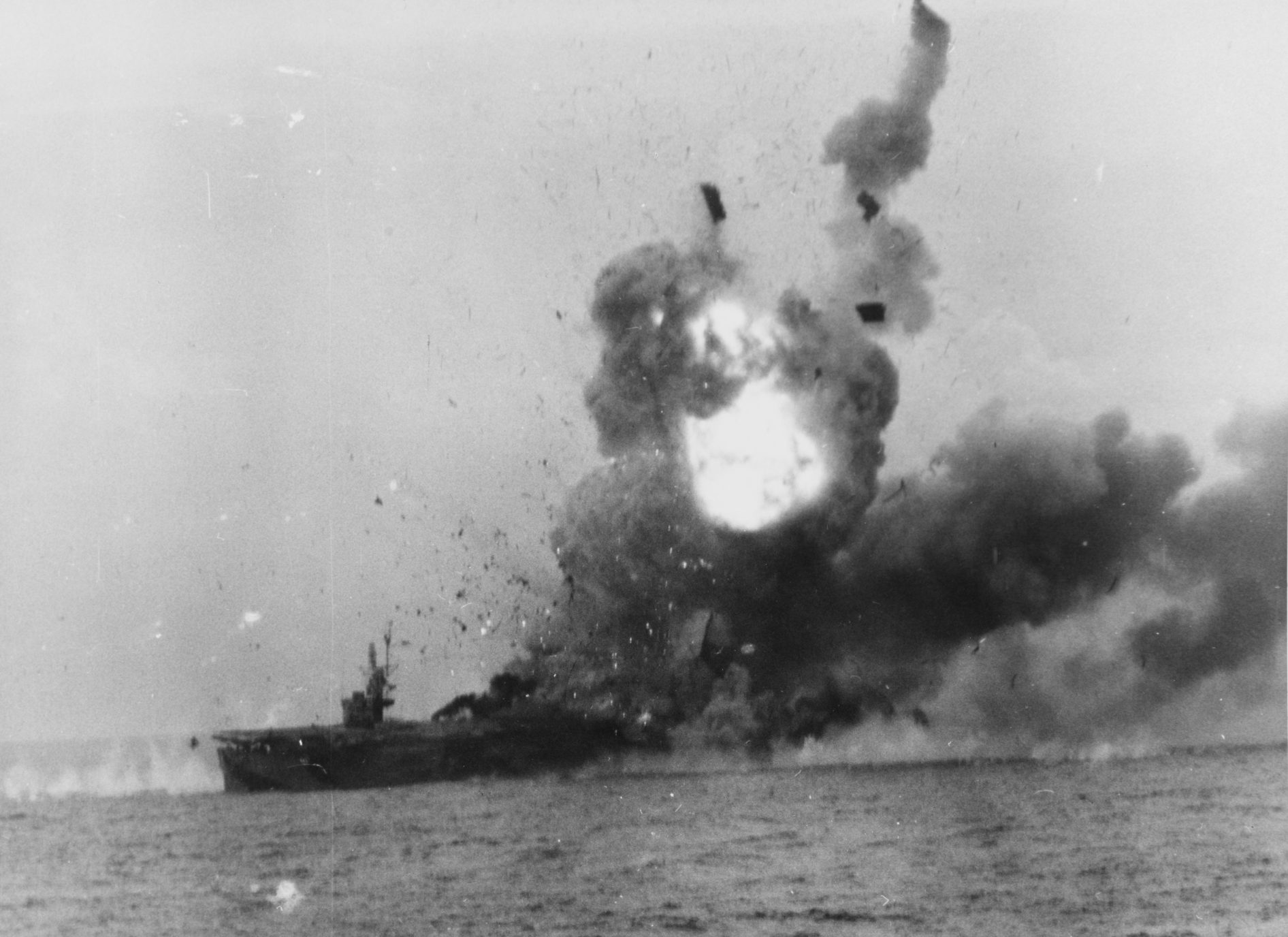
Many experts have probed the causes of the current South China Sea dispute, with explanations varying from national pride and natural resources to vital maritime trade routes and even to nuclear strategy. Yet the rich historical background of naval combat in the waters of the Philippines is too often neglected. This October, Americans are proudly celebrating the 80th anniversary of the stunning triumph of U.S. sailors and the maritime service in history’s largest ever naval battle: the Battle of Leyte Gulf.

Today, American strategists are once again focused on the prospect of large-scale naval combat in the western Pacific. The prospect of a naval war with China, a country that now possesses an estimated 230 times the shipbuilding capacity of the United States, is daunting. In this article, I not only explore the epic collision of two massive armadas and related strategic lessons from the Battle of Leyte Gulf, but also use unique Chinese military documents to discuss how contemporary Chinese strategists are similarly studying this classic naval clash of arms.

In the Pacific theater of World War II, the “miracle” at Midway in mid-1942 had given way to the bloody attritional battles of Guadalcanal and Tarawa in 1943. Americans gained many lessons in these initial campaigns, including the crucial role of logistics and the need to rotate personnel frequently given the intensity of combat. In mid-1944, the United States pierced Japan’s final defense line with its invasion of Saipan, near present-day Guam.

At that point, the two main leaders of the U.S. war effort in the Pacific, Admiral Chester Nimitz and General Douglas MacArthur, came to an understanding that the Philippines needed to be liberated before the U.S. could make a final assault on Japan proper. Military leaders in Tokyo saw a final opportunity to halt the American onslaught by inflicting a major defeat on the U.S. Navy in the vicinity of the Philippines. The elaborate plan involved throwing all of Japan’s major naval assets, including its vaunted super-battleships and the last of its carriers, into this last desperate fight and dividing its fleet in order to lure the Americans into a trap.

Read at The Diplomat

Author

Photo of Lyle Goldstein

Lyle
Goldstein

Director, Asia Program

Defense Priorities

More on Asia

op-edTaiwan, Asia, China‑Taiwan

The new National Security Strategy’s dangerous language on Taiwan

By Lyle Goldstein

January 6, 2026

In the mediaChina, Asia

Asia giants find warmer ties may cool conflict

Featuring Lyle Goldstein

January 2, 2026

In the mediaChina, Asia, China‑Taiwan

PLA fired 27 rockets: defense ministry

Featuring Lyle Goldstein

December 31, 2025

Press ReleaseAsia, China‑Taiwan

Military drills near Taiwan highlight need for caution

By Lyle Goldstein

December 30, 2025

In the mediaChina‑Taiwan, Asia, Taiwan

China encircles Taiwan in massive military display

Featuring Lyle Goldstein

December 30, 2025

op-edTaiwan, Asia, China, China‑Taiwan

What Trump could do to defuse Taiwan’s powder keg

By Lyle Goldstein

December 25, 2025

Events on Asia

See All Events
virtualAsia

What’s Next for U.S. Foreign Policy in 2026? Asia Edition

January 14, 2026
virtualGreat power competition, Balance of power, China, Grand strategy, Middle East

U.S.-China competition and the value of Middle East influence

June 10, 2025
virtualChina, Alliances, Balance of power, Diplomacy, Grand strategy, Russia

China-Russia: Cooperation or a no-limits alliance?

April 3, 2025

Receive expert foreign policy analysis

Join the hub of realism and restraint

Expert updates and analysis to enhance your understanding of vital U.S. national security issues

Defense Priority Mono Logo

Our mission is to inform citizens, thought leaders, and policymakers of the importance of a strong, dynamic military—used more judiciously to protect America’s narrowly defined national interests—and promote a realistic grand strategy prioritizing restraint, diplomacy, and free trade to ensure U.S. security.

  • Research
  • Experts
  • About
  • For Media
  • Jobs
  • Donate
  • Privacy Policy
  • Terms and Conditions
  • Contact
© 2026 Defense Priorities All Right Reserved