Defense Priorities Defense Priorities
  • Policy Topics
    • US-Israel-Iran
    • Ukraine-Russia
    • Western Hemisphere
    • NATO
    • China
    • Syria
  • Analysis
    • Research
    • Q&A
  • Programs
    • Grand Strategy Program
    • Military Analysis Program
    • Asia Program
    • Middle East Program
  • Experts
  • Events
  • Media
  • About
    • Mission & Vision
    • People
    • Jobs
    • Contact
  • Donate
Select Page
Home / Grand strategy / Confirmation hearings are a circus
Grand strategy

January 15, 2025

Confirmation hearings are a circus

By Daniel DePetris

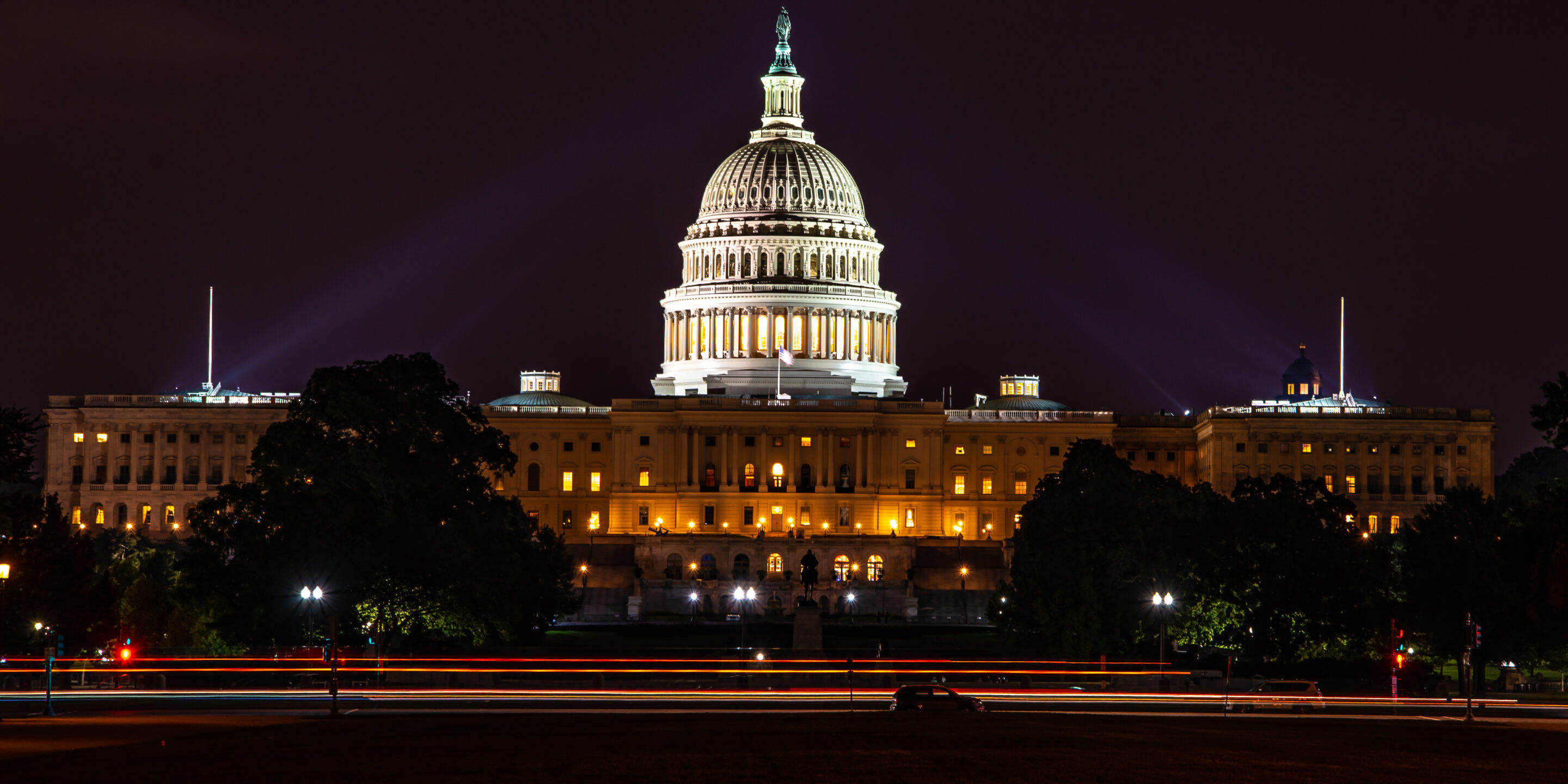
Pete Hegseth, the combat veteran and former Fox News personality tapped by President-elect Donald Trump to serve as his next secretary of defense, trekked up to Capitol Hill on Tuesday, Jan. 14, for his confirmation hearing in front of the Senate Armed Services Committee. The hours-long session occurred under the backdrop of scandal, whether it was over Hegseth’s past indiscretions, his lack of experience in running a large organization, and even the FBI’s standard background check, which Democrats on the panel complained was incomplete.

The hearing went as you might expect. Republicans played up Hegseth’s service to the nation; Democrats delved on the former TV man’s allegations of sexual assault and impropriety. At one point, Hegseth got into trouble when he was asked to explain the importance of ASEAN, the Association of Southeast Asian Nations, and he went on to name countries that weren’t part of the group. Hegseth’s views of women in the military were a central focus for the committee’s Democrats, who viewed them as archaic at best. Both political parties made their points throughout the hearing.

But therein lies the problem. Ideally, confirmation hearings are meant to poke and prod nominees on their policy views and how they would manage the departments they wish to lead. Approving (or not) a president’s nominees is one of the most consequential roles of the U.S. Senate. The “advice and consent” function is a part of the U.S. Constitution for a reason. It serves as a fundamental check on the executive branch’s power to run roughshod over the federal government.

What should be a forum where serious deliberations about policy take place are increasingly circus shows where lawmakers gesticulate in front of the cameras for dramatic effect, ask leading questions that tell us next to nothing about how the candidate would fulfill their duties, and treat us to long-winded monologues that serve no purpose other than getting airtime on cable television.

Read at Newsweek

Author

Photo of Daniel DePetris

Daniel
DePetris

Fellow

Defense Priorities

More on Western Hemisphere

Op-edWestern Hemisphere, Mexico, Venezuela

Trump Is Getting His Way in Latin America. But Bully Tactics Have a Cost—and the Bill Is Coming Due

By Daniel DePetris

March 30, 2026

Q&AGrand strategy, Cuba, Western Hemisphere

Will U.S. pressure lead to regime collapse in Cuba?

By Daniel DePetris

March 27, 2026

In the mediaCuba, Western Hemisphere

¿Podría Cuba resistir una intervención militar de EE. UU.?

Featuring Daniel DePetris

March 24, 2026

Op-edCuba, Western Hemisphere

Pursue negotiations, not regime change, in Cuba

By Thomas P. Cavanna

March 18, 2026

Op-edCuba, Western Hemisphere

Trump’s Cuba strategy is straightforward. The outcome will be anything but.

By Daniel DePetris

March 15, 2026

Op-edCuba, Western Hemisphere

Trump can win in Cuba without regime change

By Daniel DePetris

March 10, 2026

Events on Grand strategy

See All Events
virtualGlobal posture, Grand strategy, Military analysis

Assessing the 2026 NDS: What comes next?

February 9, 2026
virtualEurope and Eurasia, Asia, Grand strategy

Assessing the 2026 NDS: Alignment with restraint?

February 9, 2026
virtualNATO, Alliances, Burden sharing, Europe and Eurasia, Grand strategy

Assessing the 2026 NDS: Will it usher in burden shifting?

February 9, 2026

Receive expert foreign policy analysis

Join the hub of realism and restraint

Expert updates and analysis to enhance your understanding of vital U.S. national security issues

Defense Priority Mono Logo

Our mission is to inform citizens, thought leaders, and policymakers of the importance of a strong, dynamic military—used more judiciously to protect America’s narrowly defined national interests—and promote a realistic grand strategy prioritizing restraint, diplomacy, and free trade to ensure U.S. security.

  • Research
  • Experts
  • About
  • For Media
  • Jobs
  • Donate
  • Privacy Policy
  • Terms and Conditions
  • Contact
© 2026 Defense Priorities Foundation. All rights reserved.