Defense Priorities Defense Priorities
  • Policy Topics
    • US-Israel-Iran
    • Ukraine-Russia
    • Western Hemisphere
    • NATO
    • China
    • Syria
  • Analysis
    • Research
    • Q&A
  • Programs
    • Grand Strategy Program
    • Military Analysis Program
    • Asia Program
    • Middle East Program
  • Experts
  • Events
  • Media
  • About
    • Mission & Vision
    • People
    • Jobs
    • Contact
  • Donate
Select Page
Home / Grand strategy / Biden’s Middle East posture courts insanity and endangers U.S. troops
Grand strategy, Iran, Israel, Middle East

May 4, 2024

Biden’s Middle East posture courts insanity and endangers U.S. troops

By Michael DiMino and Daniel DePetris

The crisis in the Middle East remains one step from major escalation. In the aftermath of Iran’s unprecedented attack on Israel, many pundits rushed to celebrate, claiming that Iran’s “maximum effort” had been easily swatted away. Those celebrations were understandable; according to the Israel Defense Forces (IDF), 99 percent of Iran’s drones, cruise missiles, and ballistic missiles were intercepted—primarily by U.S. air defenses—or fell short of their intended targets. The structural damage in Israel was light, and just one person was injured. Iranian leaders then aggressively downplayed Israel’s retaliation against an air defense battery in Isfahan a week later, giving hope to the region—and the wider world—that further escalation might be avoided.

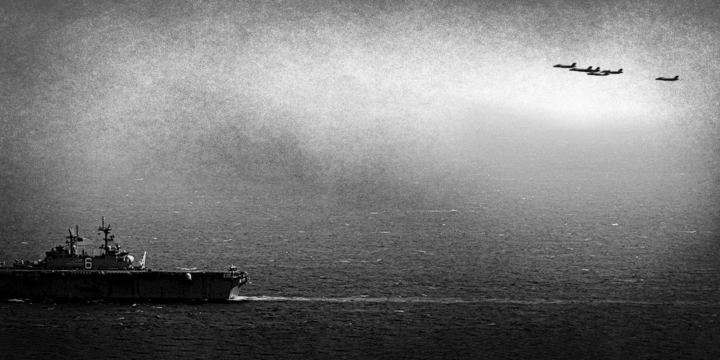
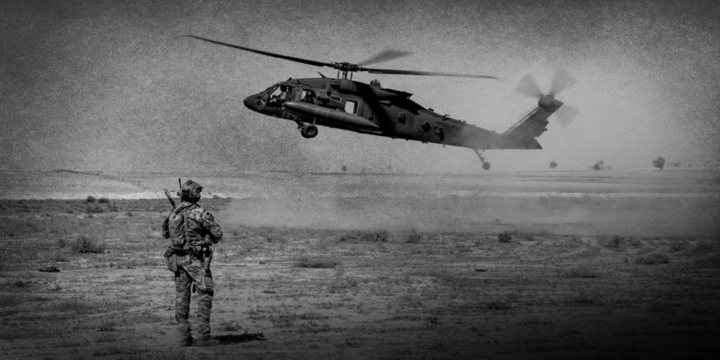
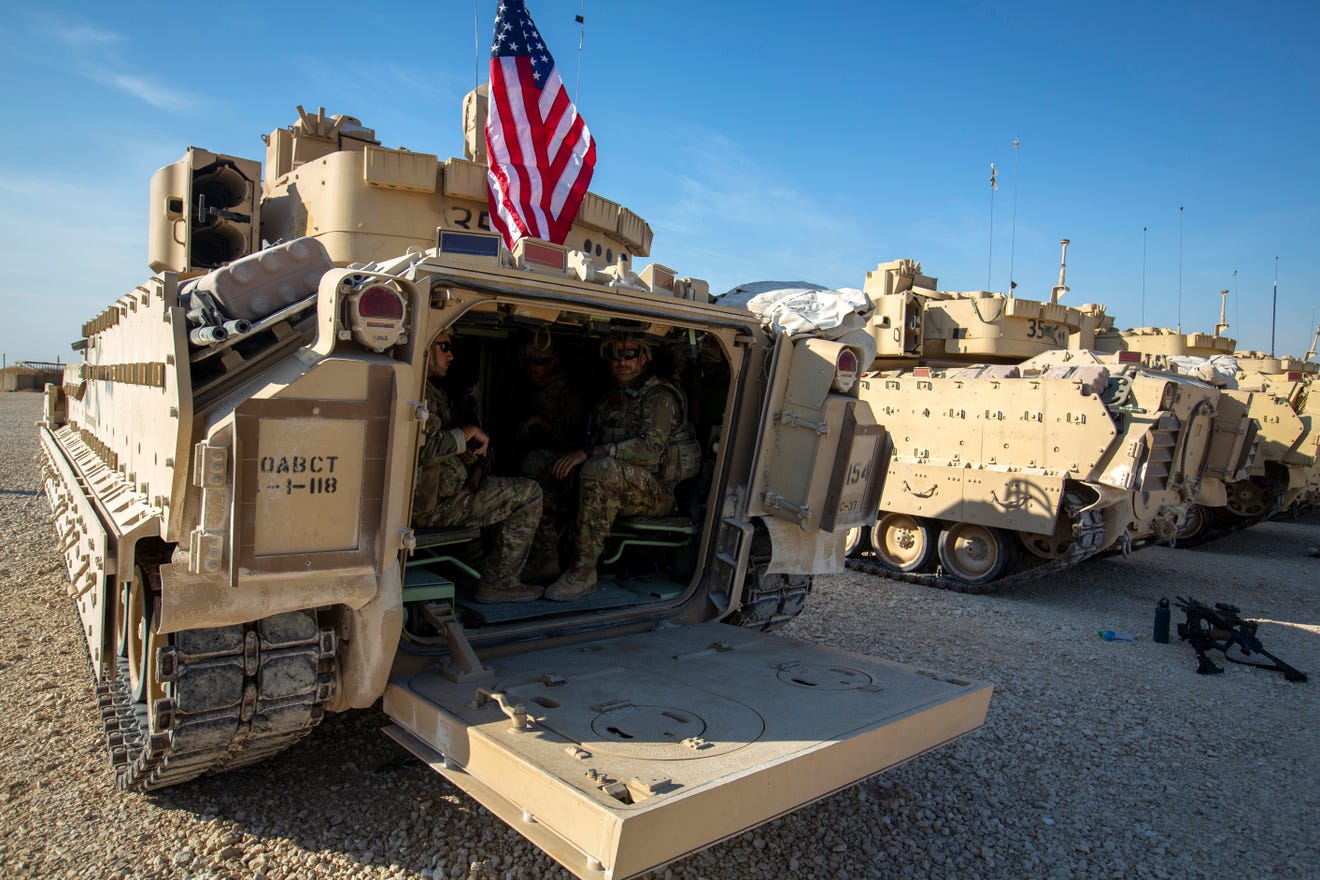
But it would be unwise to walk away from recent events with a false sense of security. While Tel Aviv and Tehran appear to have opted to bring things back down to a low boil, this could prove—as it often has in the past—to be a short-term aberration. The decades-long shadow war between these two regional adversaries is likely to continue, which means the region and the roughly 40,000 U.S. troops stationed there remain one wrong move away from disaster.

First, it’s important to point out just how close Israel and Iran got to full-fledged hostilities. While Israeli military action against Iranian targets in Syria is not unusual—hundreds of Israeli airstrikes have occurred there over the last decade—never before had Israel targeted an Iranian consular annex, let alone in broad daylight. Iran simply couldn’t allow such an overtly provocative attack to go unanswered. To the Iranians, doing so would have only incentivized the Israelis to conduct similar high-profile strikes in the future.

Tehran, for its part, was faced with conflicting priorities: how to retaliate forcefully, but in a way that would not provoke a full-scale conflict with a superior adversary. Notwithstanding commentators who labeled Iran’s barrage “potentially catastrophic,” it isn’t clear that Iran ever intended to deal a crippling blow. Given the telegraphing from Tehran days before the attack, diplomatic backchanneling, and the ample intelligence collected beforehand, it’s far more likely the Islamic Republic was aiming for a “goldilocks” response meant to send a strong signal to Israel while preserving off-ramps for de-escalation.

Read at The American Conservative

Authors

Photo of Michael DiMino

Michael
DiMino

Former Public Policy Manager & Fellow

Defense Priorities

Photo of Daniel DePetris

Daniel
DePetris

Fellow

Defense Priorities

More on Middle East

Op-edUS‑Israel‑Iran, Iran, Middle East

Trump’s War of Choice in Iran

By Alexander Langlois

March 6, 2026

Op-edUS‑Israel‑Iran, Iran, Middle East

War on Iran Will Squander America’s Military Edge

By Jennifer Kavanagh

March 6, 2026

Op-edUS‑Israel‑Iran, Iran, Middle East

Iran has a strategy for defeating the U.S. It might just work

By Daniel DePetris

March 5, 2026

In the mediaUS‑Israel‑Iran, Iran, Middle East

On NBC News, Daniel Davis discusses Ukraine’s role in U.S.-Iran war

Featuring Daniel Davis

March 5, 2026

In the mediaUS‑Israel‑Iran, Iran, Middle East

Hegseth finds his footing as Epic Fury’s front man

Featuring Rosemary Kelanic

March 5, 2026

In the mediaUS‑Israel‑Iran, Iran, Middle East

TAC Right Now: The Iran Catastrophe

Featuring Rosemary Kelanic

March 5, 2026

Events on Grand strategy

See All Events
virtualGrand strategy, Military analysis

Assessing the 2026 NDS: How does it deal with defense deficits?

February 9, 2026
virtualEurope and Eurasia, Asia, Grand strategy

Assessing the 2026 NDS: Alignment with restraint?

February 9, 2026
virtualGlobal posture, Grand strategy, Military analysis

Assessing the 2026 NDS: What comes next?

February 9, 2026

Receive expert foreign policy analysis

Join the hub of realism and restraint

Expert updates and analysis to enhance your understanding of vital U.S. national security issues

Defense Priority Mono Logo

Our mission is to inform citizens, thought leaders, and policymakers of the importance of a strong, dynamic military—used more judiciously to protect America’s narrowly defined national interests—and promote a realistic grand strategy prioritizing restraint, diplomacy, and free trade to ensure U.S. security.

  • Research
  • Experts
  • About
  • For Media
  • Jobs
  • Donate
  • Privacy Policy
  • Terms and Conditions
  • Contact
© 2026 Defense Priorities Foundation. All rights reserved.