Defense Priorities Defense Priorities
  • Policy Topics
    • US-Israel-Iran
    • Ukraine-Russia
    • Western Hemisphere
    • NATO
    • China
    • Syria
  • Analysis
    • Research
    • Q&A
  • Programs
    • Grand Strategy Program
    • Military Analysis Program
    • Asia Program
    • Middle East Program
  • Experts
  • Events
  • Media
  • About
    • Mission & Vision
    • People
    • Jobs
    • Contact
  • Donate
Select Page
Home / US-Israel-Iran / An Extended War With Iran Will Weaken American Deterrence Against China and Russia
US‑Israel‑Iran, Iran, Middle East

March 8, 2026

An Extended War With Iran Will Weaken American Deterrence Against China and Russia

By John Grover

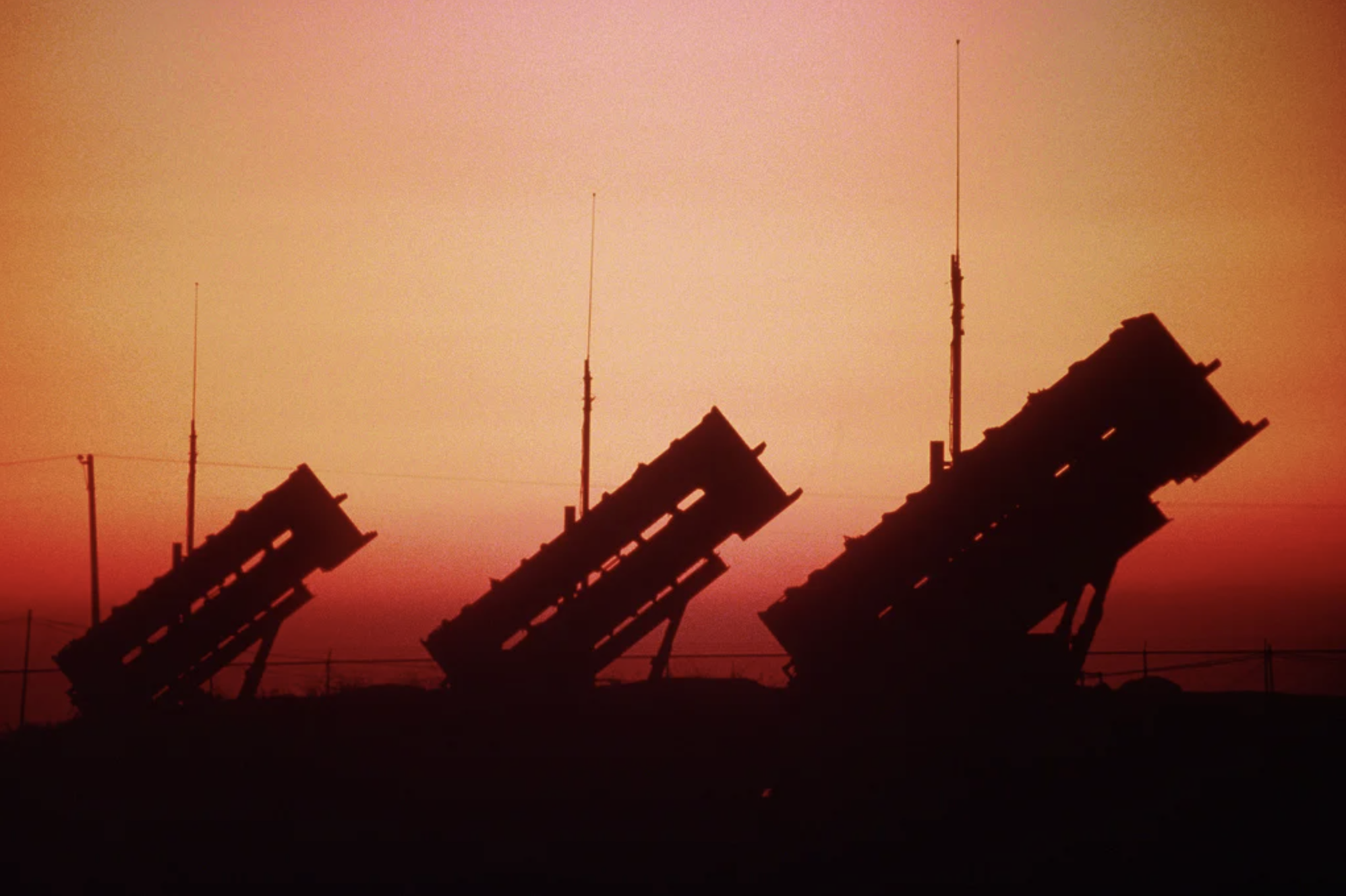
The United States is running out of ammunition in our war with Iran. The Trump administration has repeatedly struck Iran after failing to reach a deal over Tehran’s nuclear program. Most recently, President Donald Trump said the conflict could go on for as long as “four weeks.” But each day the war goes on, the more America uses scarce missiles that will take billions of dollars and years to replace. The sooner the United States can declare victory and go home, the better it will be for Washington’s ability to conventionally deter China, Russia, and North Korea.

Among Washington’s objectives are the degradation of Iran’s military capabilities, the reduction of oil flowing to China, and for a different, more compliant leadership to emerge in Tehran. That last aim carries the greatest probability of an extended conflict. This is because regime change from the air is not possible without armed conflict on the ground—either through a U.S.-led invasion or from a local revolt of Iranians and their military against their government. Given the Iranian people are not armed, any revolution would have to come from their own military, which so far has remained loyal to the regime.

Secretary of Defense Pete Hegseth recently said this will not be another endless war of nation-building. That’s good, and the American people should demand no boots on the ground. But the war aim of “regime change” or “regime adjustment” is still worrisome. Such a war aim is an existential threat to the Iranian government, meaning they have little to lose and will fight all the longer and harder.

Iran will have new leaders anyway because most of the old ones are now dead. But that does not mean the new ones will agree to every one of Washington’s terms. All Washington can do is hope for part of the Iranian military to revolt and then to hope any resulting civil war does not cause more regional chaos than it is worth. But hope is not a strategy.

Read at American Conservative

Author

John
Grover

Contributing Fellow

Defense Priorities

More on Middle East

In the mediaChina, Asia, Iran, Middle East, US‑Israel‑Iran

Trump Risks Showdown With Xi Before Summit Over Hormuz Blockade

Featuring Jennifer Kavanagh

April 15, 2026

In the mediaUS‑Israel‑Iran, Iran, Middle East

Trump Isolation Deepens on World Stage as Allies Rebuff, Condemn

Featuring Rosemary Kelanic

April 15, 2026

In the mediaChina, Iran, Middle East, US‑Israel‑Iran

Trump’s Hormuz blockade unlikely to draw China into Iran war

Featuring Lyle Goldstein

April 15, 2026

In the mediaUS‑Israel‑Iran, Iran, Middle East

This Is The Biggest Reason Why U.S.-Iran Negotiations Fell Through Without A Deal: Expert

Featuring Daniel DePetris

April 15, 2026

Op-edUS‑Israel‑Iran, Iran, Middle East

The global ripple effects of the United States’ diplomacy with Iran

By Daniel DePetris

April 14, 2026

In the mediaUS‑Israel‑Iran, Alliances, China, Iran, Middle East

Trump’s Logic for Blockading the Blockaders

Featuring Jennifer Kavanagh

April 14, 2026

Receive expert foreign policy analysis

Join the hub of realism and restraint

Expert updates and analysis to enhance your understanding of vital U.S. national security issues

Defense Priority Mono Logo

Our mission is to inform citizens, thought leaders, and policymakers of the importance of a strong, dynamic military—used more judiciously to protect America’s narrowly defined national interests—and promote a realistic grand strategy prioritizing restraint, diplomacy, and free trade to ensure U.S. security.

  • Research
  • Experts
  • About
  • For Media
  • Jobs
  • Donate
  • Privacy Policy
  • Terms and Conditions
  • Contact
© 2026 Defense Priorities Foundation. All rights reserved.