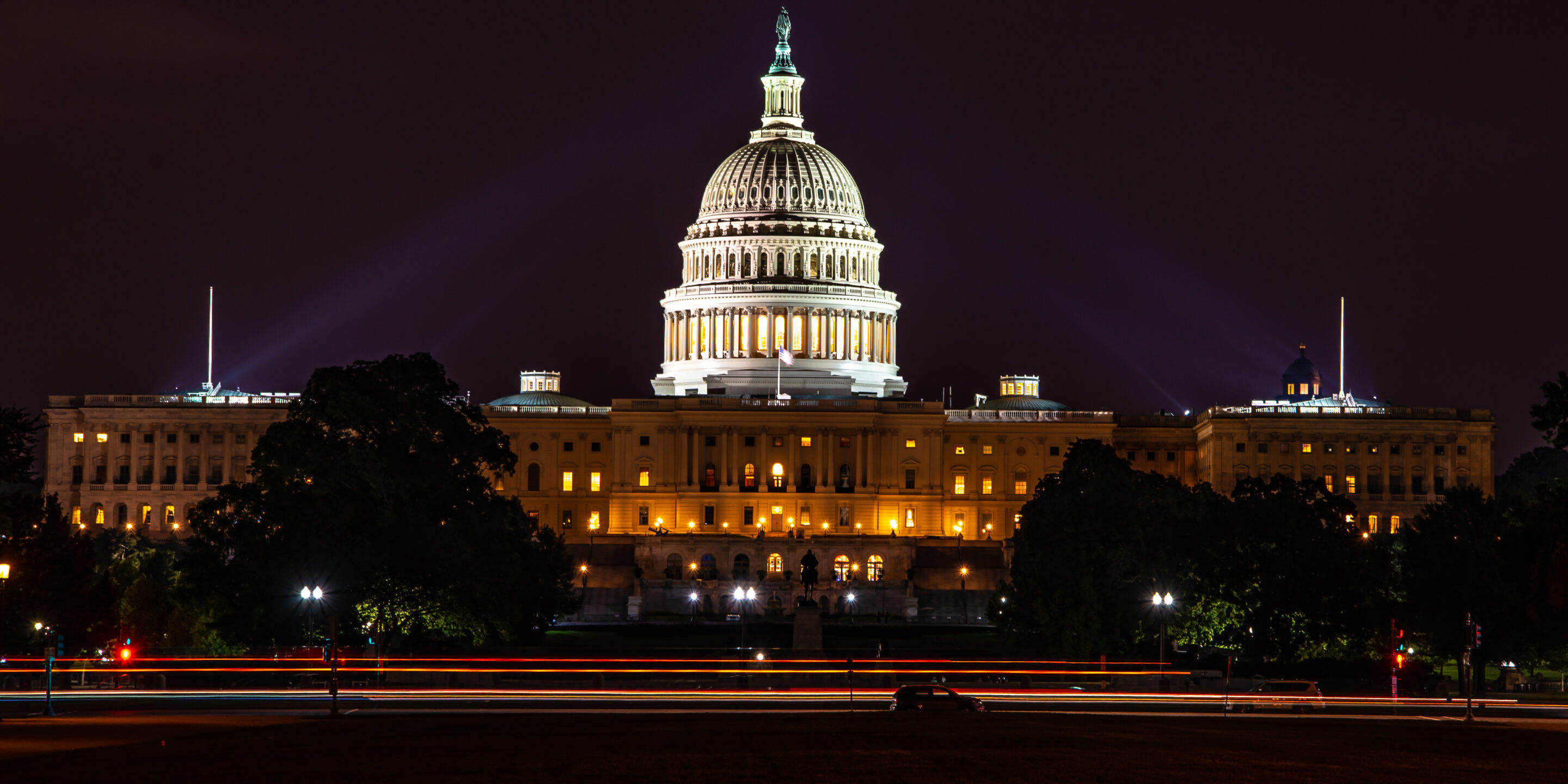
In theory, Congress is a separate and coequal branch of the United States government. The U.S. Constitution, the American republic’s most sacred document, vests extraordinary power in the men and women who occupy seats in the legislature, including writing laws and establishing the tax code, funding federal agencies, and overseeing how the executive branch implements policy. The founders were enlightened enough to realize that power is both intoxicating and corrupting, and it is best spread out over several competing players to ensure everybody in the system is kept honest.
Yet as the nation hits the 250th anniversary of its independence this July 4, this remains a work in progress. Our politics now operate in the gutter, with politicians and candidates slinging substance-free arrows at each other and playing to the most extreme partisans on both ends of the political spectrum. Cooperation across the aisle, once a common occurrence on Capitol Hill, is now a rarity. And Congress, that most hallowed institution, consistently comes up short on one of its most consequential—if not the most consequential—duties: authorizing when the United States goes to war.
The Constitution is quite clear on the matter: Although the president is the commander in chief of U.S. armed forces, the legislative branch is the body responsible for determining if the United States transitions from a country at peace to one at war. The framers of the Constitution had numerous reasons for doing this.
Author

The Latest