Defense Priorities Defense Priorities
  • Policy Topics
    • US-Israel-Iran
    • Ukraine-Russia
    • Western Hemisphere
    • NATO
    • China
    • Syria
  • Analysis
    • Research
    • Q&A
  • Programs
    • Grand Strategy Program
    • Military Analysis Program
    • Asia Program
    • Middle East Program
  • Experts
  • Events
  • Media
  • About
    • Mission & Vision
    • People
    • Jobs
    • Contact
  • Donate
Select Page
Home / Syria / After Assad, what’s the future for Syria’s Kurdish region?
Syria, Middle East

November 5, 2025

After Assad, what’s the future for Syria’s Kurdish region?

By Alexander Langlois

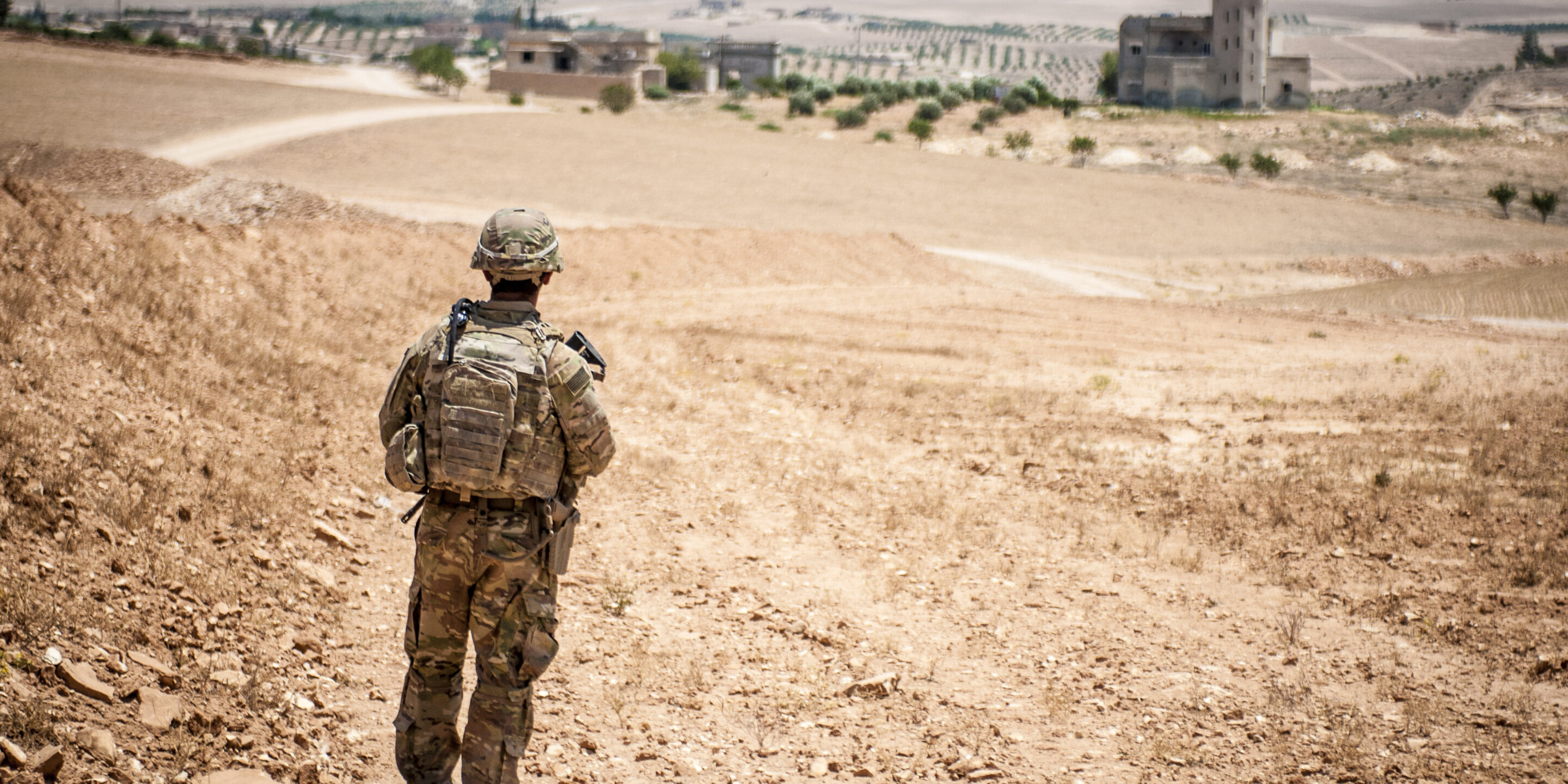
After months of difficult negotiations, including a recent uptick in hostilities, the transitional authority in Damascus and the northeast Syria-based Syrian Democratic Forces (SDF) reached a preliminary agreement on unification talks. While far from complete and facing many challenges, both parties could hopefully be starting to understand each other—albeit amid a tenuous calm that could collapse at any moment. With international influence at play, all major stakeholders in Syria’s transition should continue actions that foster mutual respect and cooperation, helping guide the country through its difficult transition.

Early last month, Aleppo City’s Sheikh Maqsood and Ashrafiyeh neighborhoods, long under SDF control given the neighborhoods’ Kurdish majorities, witnessed renewed fighting after months of tensions relating to different interpretations of an April deal regarding the areas. That agreement is directly connected to the national-level talks between the government of transitional President Ahmed al-Sharaa, on one side, and SDF leader Mazlum Abdi and other leaders from its civilian arm, the Democratic Autonomous Administration of North and East Syria (DAANES), on the other.

Fortunately, the fighting remained relatively low-level, just as it has along the frontlines of Syria’s northeast that separate the SDF from government forces, which also saw an uptick during the violence in Aleppo City. Still, for a moment, it appeared as if this round of hostilities could rapidly expand.

Read at Ink Stick

Author

Alexander
Langlois

Contributing Fellow

Defense Priorities

More on Middle East

In the mediaUS‑Israel‑Iran, Iran, Israel, Israel‑Iran, Middle East

Iran’s secret outreach highlights Trump’s challenge

Featuring Rosemary Kelanic

March 4, 2026

US‑Israel‑Iran, Iran, Israel, Israel‑Iran, Middle East

On NBC News, Daniel Davis discusses the alleged impact of U.S. strikes on Iranian capabilities

By Daniel Davis

March 4, 2026

In the mediaUS‑Israel‑Iran, Iran, Israel, Israel‑Iran, Middle East

Laura Loomer and the far-right ultra-hawks cheering on Trump in Iran

Featuring Rosemary Kelanic

March 3, 2026

op-edUS‑Israel‑Iran, Iran, Middle East

Donald Trump’s pitiful case for going to war with Iran

By Daniel DePetris

March 3, 2026

In the mediaUS‑Israel‑Iran, Iran, Israel, Israel‑Iran

Can Iran sustain its missile strategy against the U.S. and its allies?

Featuring Jennifer Kavanagh

March 3, 2026

In the mediaUS‑Israel‑Iran, Iran, Israel, Israel‑Iran, Middle East

How Israel and the U.S. killed Iran’s supreme leader

Featuring Rosemary Kelanic

March 3, 2026

Events on Syria

See All Events
virtualMiddle East, Basing and force posture, Diplomacy, Houthis, Iran, Iraq, Israel, Israel‑Hamas, Military analysis, Syria

Trump in the Middle East: Impacts, implications, and alternatives

May 16, 2025
virtualSyria, Balance of power, Basing and force posture, Counterterrorism, Middle East, Military analysis

Syria after Assad: Prospects for U.S. withdrawal

February 21, 2025
virtualMiddle East, Iran, Israel‑Hamas, Israel‑Iran, Syria, Yemen

Keeping the U.S. out of war in the Middle East

January 16, 2024

Receive expert foreign policy analysis

Join the hub of realism and restraint

Expert updates and analysis to enhance your understanding of vital U.S. national security issues

Defense Priority Mono Logo

Our mission is to inform citizens, thought leaders, and policymakers of the importance of a strong, dynamic military—used more judiciously to protect America’s narrowly defined national interests—and promote a realistic grand strategy prioritizing restraint, diplomacy, and free trade to ensure U.S. security.

  • Research
  • Experts
  • About
  • For Media
  • Jobs
  • Donate
  • Privacy Policy
  • Terms and Conditions
  • Contact
© 2026 Defense Priorities Foundation. All rights reserved.