Defense Priorities Defense Priorities
  • Policy Topics
    • US-Israel-Iran
    • Ukraine-Russia
    • Western Hemisphere
    • NATO
    • China
    • Syria
  • Analysis
    • Research
    • Q&A
  • Programs
    • Grand Strategy Program
    • Military Analysis Program
    • Asia Program
    • Middle East Program
  • Experts
  • Events
  • Media
  • About
    • Mission & Vision
    • People
    • Jobs
    • Contact
  • Donate
Select Page
Home / Military analysis / A digitized, efficient model of war
Military analysis, Cyber

June 3, 2025

A digitized, efficient model of war

By Gavin Wilde

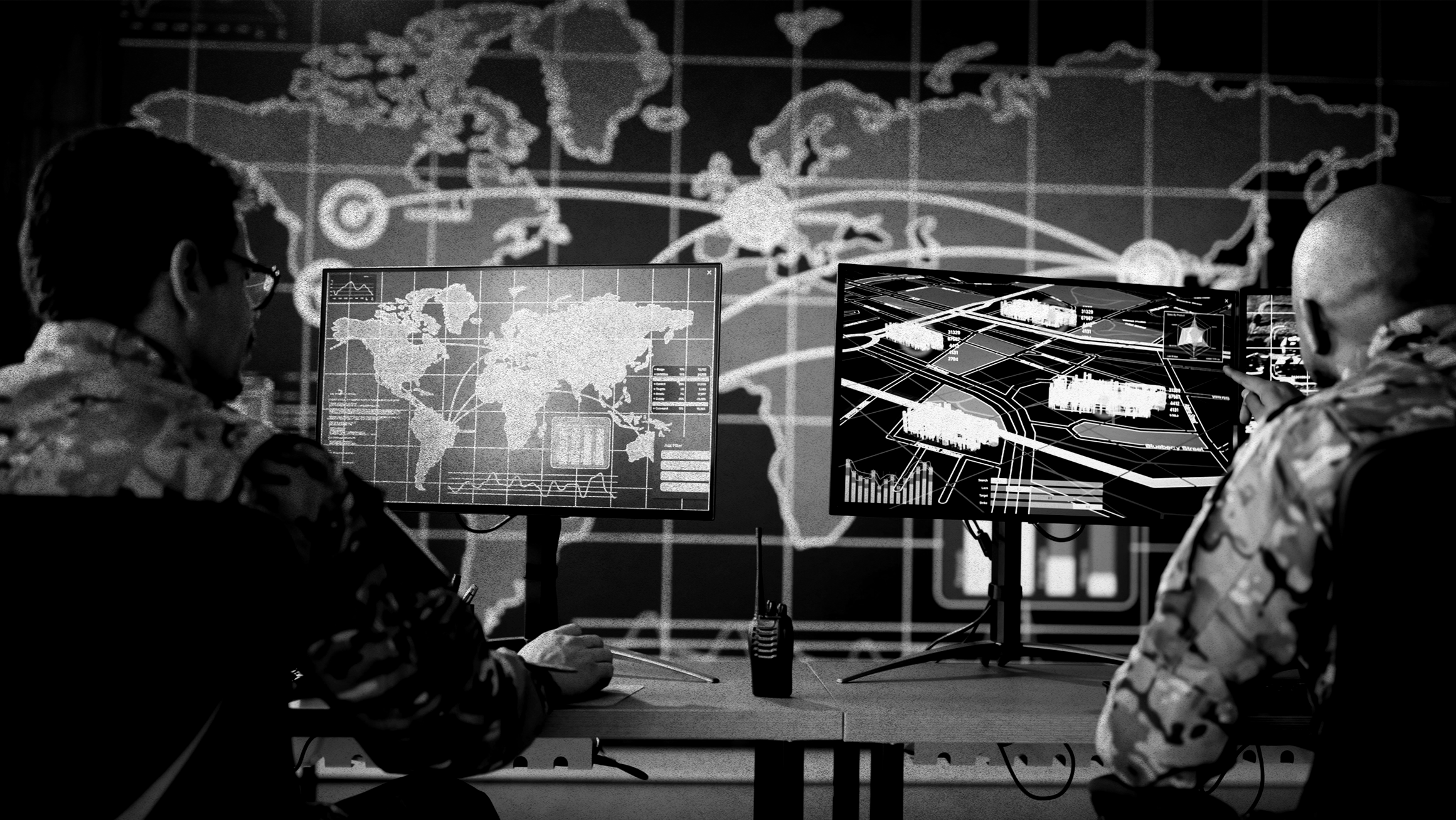
Battlefields from Ukraine to Gaza have recently been marked, as have many conflicts over the last two decades, by the extensive use of airborne assets, surveillance, and computing power in pursuit of victory. Both precision guided weapons and unmanned vehicles create new and heavy demands on training and logistics, as well as whole organizational structures devoted to finding targets. In this regard, the datafication of the battlefield and the automation of targeting has reached a modern-day zenith, on the heels of decades of theorizing about “information dominance” in warfare.

However, this digital-age collection and targeting process is founded on a premise of fierce optimization and brutal efficiency. The resulting model of warfare is both a product of physical observation and digital construction. It is process-driven, techno-centric, and ultimately premised on being entirely calculable. A model of warfare which demands efficiency above all else not only risks fostering a disregard for pragmatism and efficacy, but is also arguably a subtle cover for the exercise of institutional power and control. This article critiques an overly reductive model of war, in the context of increasing demands for greater automation and applications of artificial intelligence (AI) which are widely presumed to be fixtures in future conflict.

Read at CEIP

Author

Gavin
Wilde

Non-Resident Fellow

Defense Priorities

More on Asia

In the mediaUS‑Israel‑Iran, China, Iran, Middle East, Military analysis

Trump says U.S. caught Chinese ‘gift’ for Iran, testing red line

Featuring Jennifer Kavanagh

April 22, 2026

Op-edChina, Asia, Iran, Middle East

War has significantly altered major Trump meeting with Xi

By Lyle Goldstein

April 22, 2026

Op-edChina, Asia, Iran, Middle East, US‑Israel‑Iran

Taiwan’s KMT offers U.S. an off-ramp from war with China

By Lyle Goldstein

April 22, 2026

In the mediaChina, Iran, Middle East, US‑Israel‑Iran

Trump’s Hormuz blockade unlikely to draw China into Iran war

Featuring Lyle Goldstein

April 15, 2026

In the mediaChina, Asia, Iran, Middle East, US‑Israel‑Iran

Trump Risks Showdown With Xi Before Summit Over Hormuz Blockade

Featuring Jennifer Kavanagh

April 15, 2026

Op-edChina, Asia, China‑Taiwan

Time for a ‘Fourth Communique’ To Stabilize U.S.-China Relations

By Lyle Goldstein

April 13, 2026

Events on Military analysis

See All Events
virtualGrand strategy, Military analysis

Assessing the 2026 NDS: How does it deal with defense deficits?

February 9, 2026
virtualGlobal posture, Grand strategy, Military analysis

Assessing the 2026 NDS: What comes next?

February 9, 2026
virtualWestern Hemisphere, Military analysis

Assessing the 2026 NDS: Toward Western Hemisphere dominance?

February 9, 2026

Receive expert foreign policy analysis

Join the hub of realism and restraint

Expert updates and analysis to enhance your understanding of vital U.S. national security issues

Defense Priority Mono Logo

Our mission is to inform citizens, thought leaders, and policymakers of the importance of a strong, dynamic military—used more judiciously to protect America’s narrowly defined national interests—and promote a realistic grand strategy prioritizing restraint, diplomacy, and free trade to ensure U.S. security.

  • Research
  • Experts
  • About
  • For Media
  • Jobs
  • Donate
  • Privacy Policy
  • Terms and Conditions
  • Contact
© 2026 Defense Priorities Foundation. All rights reserved.