Defense Priorities Defense Priorities
  • Policy Topics
    • US-Israel-Iran
    • Ukraine-Russia
    • Western Hemisphere
    • NATO
    • China
    • Syria
  • Analysis
    • Research
    • Q&A
  • Programs
    • Grand Strategy Program
    • Military Analysis Program
    • Asia Program
    • Middle East Program
  • Experts
  • Events
  • Media
  • About
    • Mission & Vision
    • People
    • Jobs
    • Contact
  • Donate
Select Page
Home / Grand strategy / Rise of the AI Soldiers
Grand strategy, Cyber

March 9, 2026

Rise of the AI Soldiers

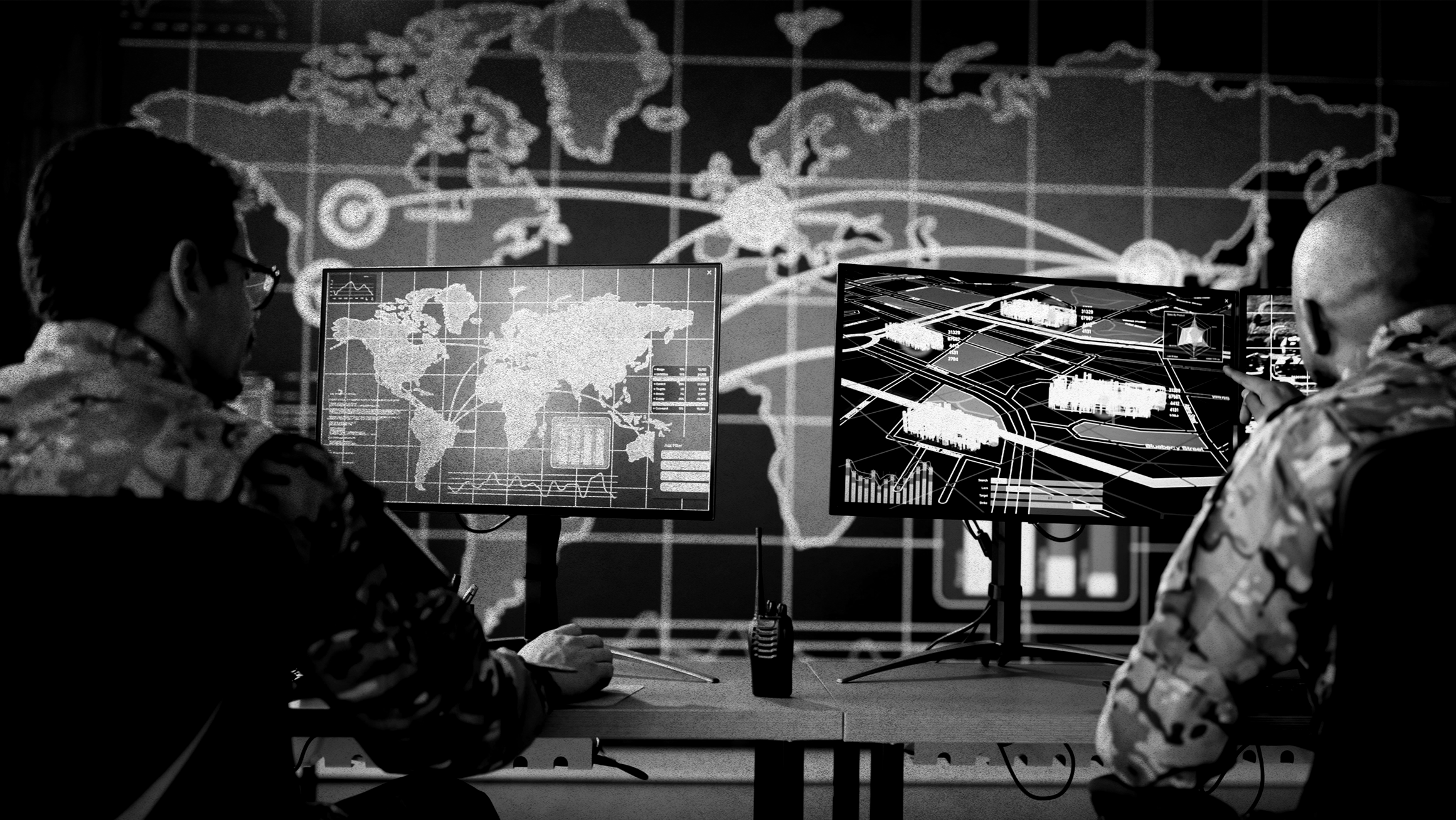
“It’s a slippery slope,” says Jennifer Kavanagh, director of military analysis for the Washington-based think tank Defense Priorities. “The appeal of automating things and having humans out of the loop is extremely high. The lack of transparency between the two sides of any conflict creates additional concerns.”

At the same time, if the ability to wage war remotely and autonomously leads to minimal human toll, that in itself may increase risk tolerance, meaning more operations that have higher escalation potential. For instance, it would be a gutsy move for a conventional U.S. Navy vessel to attempt to break any Chinese blockade of self-ruling Taiwan. Sending an unmanned submersible, however, feels less confrontational—as would a People’s Liberation Army decision to sink it. Yet those ostensibly lower-risk scenarios may in fact accelerate an escalatory spiral toward full-blown conflict. If a nation can wage war without the political cost of bringing home flag-draped coffins, will it be more likely to engage in unnecessary conflicts? “The human cost of war sometimes keeps us out of war,” says Kavanagh of Defense Priorities.

Read at TIME

Featuring

Jennifer
Kavanagh

Senior Fellow & Director of Military Analysis

Defense Priorities

The Latest

In the mediaUS‑Israel‑Iran, Iran, Israel, Israel‑Iran, Middle East

Can U.S. blockade Iranian-linked ships anywhere in the world? Yes, but …

Featuring Jennifer Kavanagh

April 19, 2026

In the mediaUS‑Israel‑Iran, Iran, Middle East

Trump, Iran clash over Hormuz closure as deal deadline nears

Featuring Daniel Davis

April 19, 2026

In the mediaUS‑Israel‑Iran, Iran, Middle East

Defense Priorities’ Jennifer Kavanagh discusses the Iran War and the latest on the Strait of Hormuz

Featuring Jennifer Kavanagh

April 18, 2026

Op-edUS‑Israel‑Iran, Iran, Middle East

America Must Get Out of the Middle East for Good

By Adam Gallagher

April 17, 2026

In the mediaUS‑Israel‑Iran, Iran, Middle East

Strait of Hormuz blockade hurts Iran’s economy, threatens to spike energy prices

April 17, 2026

Op-edUS‑Israel‑Iran, Iran, Middle East

The Strait of Hormuz is open. Here’s what to watch next.

By Daniel DePetris

April 17, 2026

Events on Grand strategy

See All Events
virtualGlobal posture, Grand strategy, Military analysis

Assessing the 2026 NDS: What comes next?

February 9, 2026
virtualEurope and Eurasia, Asia, Grand strategy

Assessing the 2026 NDS: Alignment with restraint?

February 9, 2026
virtualNATO, Alliances, Burden sharing, Europe and Eurasia, Grand strategy

Assessing the 2026 NDS: Will it usher in burden shifting?

February 9, 2026

Receive expert foreign policy analysis

Join the hub of realism and restraint

Expert updates and analysis to enhance your understanding of vital U.S. national security issues

Defense Priority Mono Logo

Our mission is to inform citizens, thought leaders, and policymakers of the importance of a strong, dynamic military—used more judiciously to protect America’s narrowly defined national interests—and promote a realistic grand strategy prioritizing restraint, diplomacy, and free trade to ensure U.S. security.

  • Research
  • Experts
  • About
  • For Media
  • Jobs
  • Donate
  • Privacy Policy
  • Terms and Conditions
  • Contact
© 2026 Defense Priorities Foundation. All rights reserved.