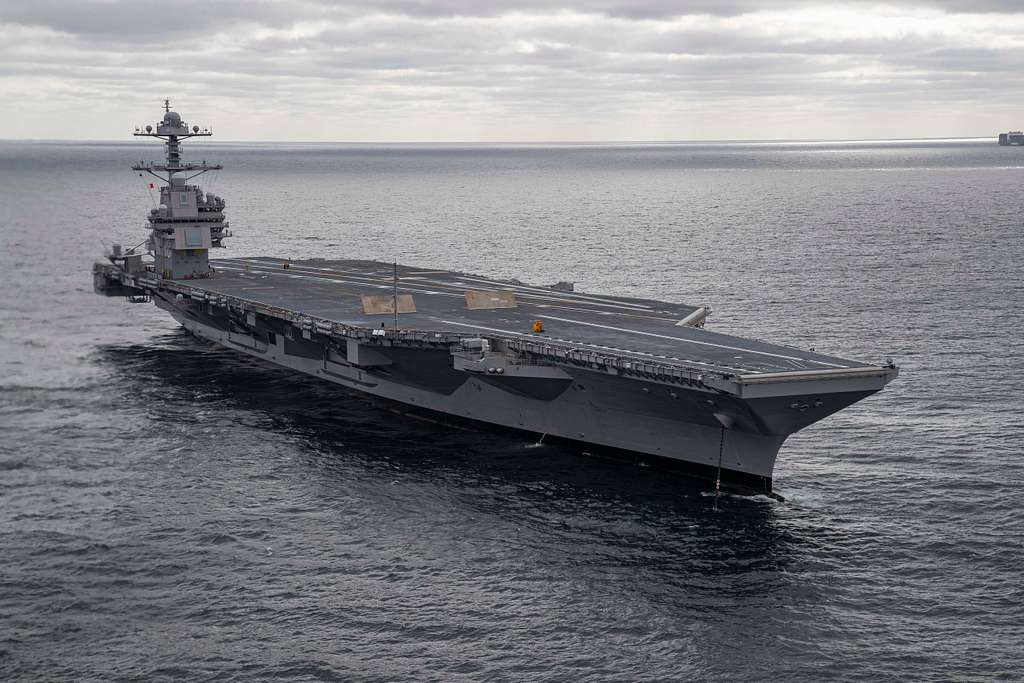
As the USS Gerald Ford aircraft carrier sails to the Caribbean, the U.S. military continues striking drug-carrying boats off the Venezuelan coast and the Trump administration debates what to do about Venezuelan dictator Nicolás Maduro, one thing seems certain: Venezuela and the western hemisphere would all be better off if Maduro packed his bags and spent his remaining years in exile.
This is certainly what Venezuelan opposition leader María Corina Machado is working toward. This year’s Nobel Prize laureate has spent much of her time recently in the U.S. lobbying policymakers to squeeze Maduro into vacating power. Constantly at risk of detention in her own country, Machado is granting interviews and dialing into conferences to advocate for regime change. Her talking points are clearly tailored for the Trump administration: Maduro is the head of a drug cartel that is poisoning Americans; his dictatorship rests on weak pillars; and the forces of democracy inside Venezuela are fully prepared to seize the mantle once Maduro is gone. “We are ready to take over government,” Machado told Bloomberg News in an October interview.
But as the old saying goes, if it sounds too good to be true, it probably is. While there’s no disputing that Maduro is a despot and a fraud who steals elections, U.S. policymakers can’t simply take what Machado is saying for granted. Washington learned this the hard way in the lead-up to the war in Iraq, when an opposition leader named Ahmed Chalabi sold U.S. policymakers a bill of goods about how painless rebuilding a post-Saddam Hussein Iraq would be. We all know how the story turned out—the United States stumbled into an occupation that sucked up U.S. resources, unleashed unpredicted regional consequences and proved more difficult than its proponents originally claimed.
Author






Events on Venezuela