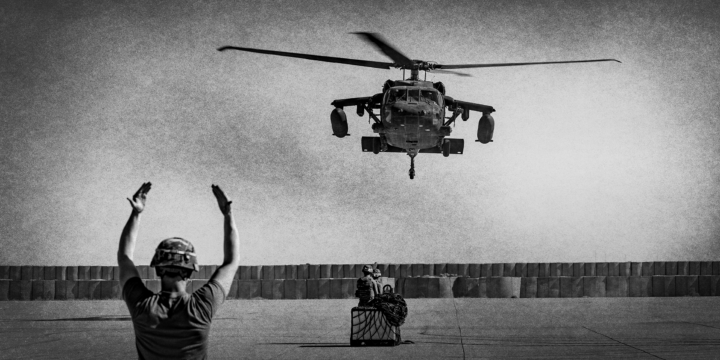
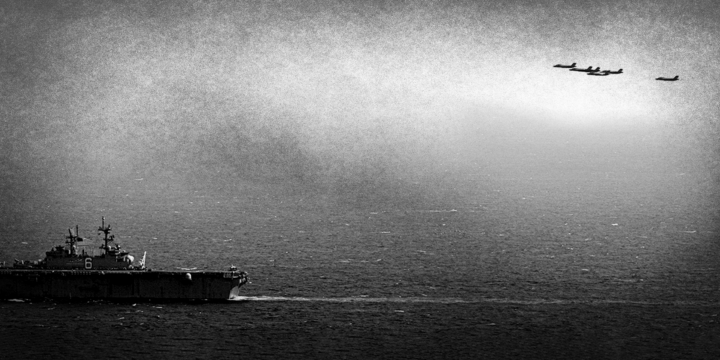
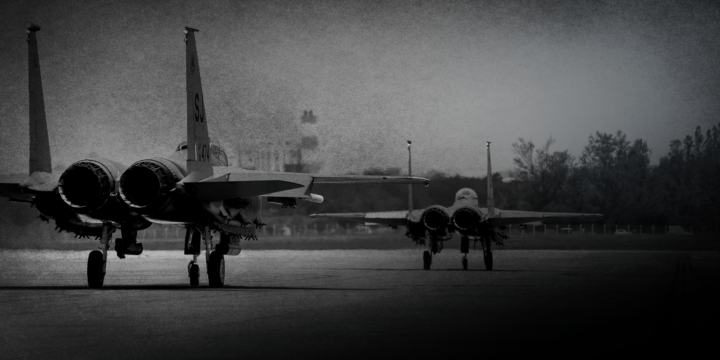
Lyle Goldstein, director of Asia engagement at the Washington think tank Defence Priorities, said spreading the mission across more platforms could be particularly valuable because specialised U.S. anti-submarine warfare aircraft such as the P-8 were few in number.
Large, slow anti-submarine warfare aircraft could struggle to operate in the vast and highly contested airspace of the Asia-Pacific, potentially increasing the value of drones operating from “very remote locations under austere conditions”, he added.
While separating detection platforms from those that attack submarines could make better use of resources, it could also complicate operations, Goldstein observed, citing the enormous distances involved, attempts to jam communications and attacks on logistics nodes.
According to Goldstein, China’s newer nuclear-powered attack submarines could pose a growing challenge by operating farther into the central and eastern Pacific. “As this challenge grows, the U.S. will be forced to devote more effort to the anti-submarine threat.”
Read at South China Morning Post
Featuring

More on Asia

Events on China