Defense Priorities Defense Priorities
  • Policy Topics
    • US-Israel-Iran
    • Ukraine-Russia
    • Western Hemisphere
    • NATO
    • China
    • Syria
  • Analysis
    • Research
    • Q&A
  • Programs
    • Grand Strategy Program
    • Military Analysis Program
    • Asia Program
    • Middle East Program
  • Experts
  • Events
  • Media
  • About
    • Mission & Vision
    • People
    • Jobs
    • Contact
  • Donate
Select Page
Home / Syria / The U.S. is adapting its Syria strategy. Here’s why that’s a problem.
Syria, Middle East

January 28, 2026

The U.S. is adapting its Syria strategy. Here’s why that’s a problem.

By Alexander Langlois

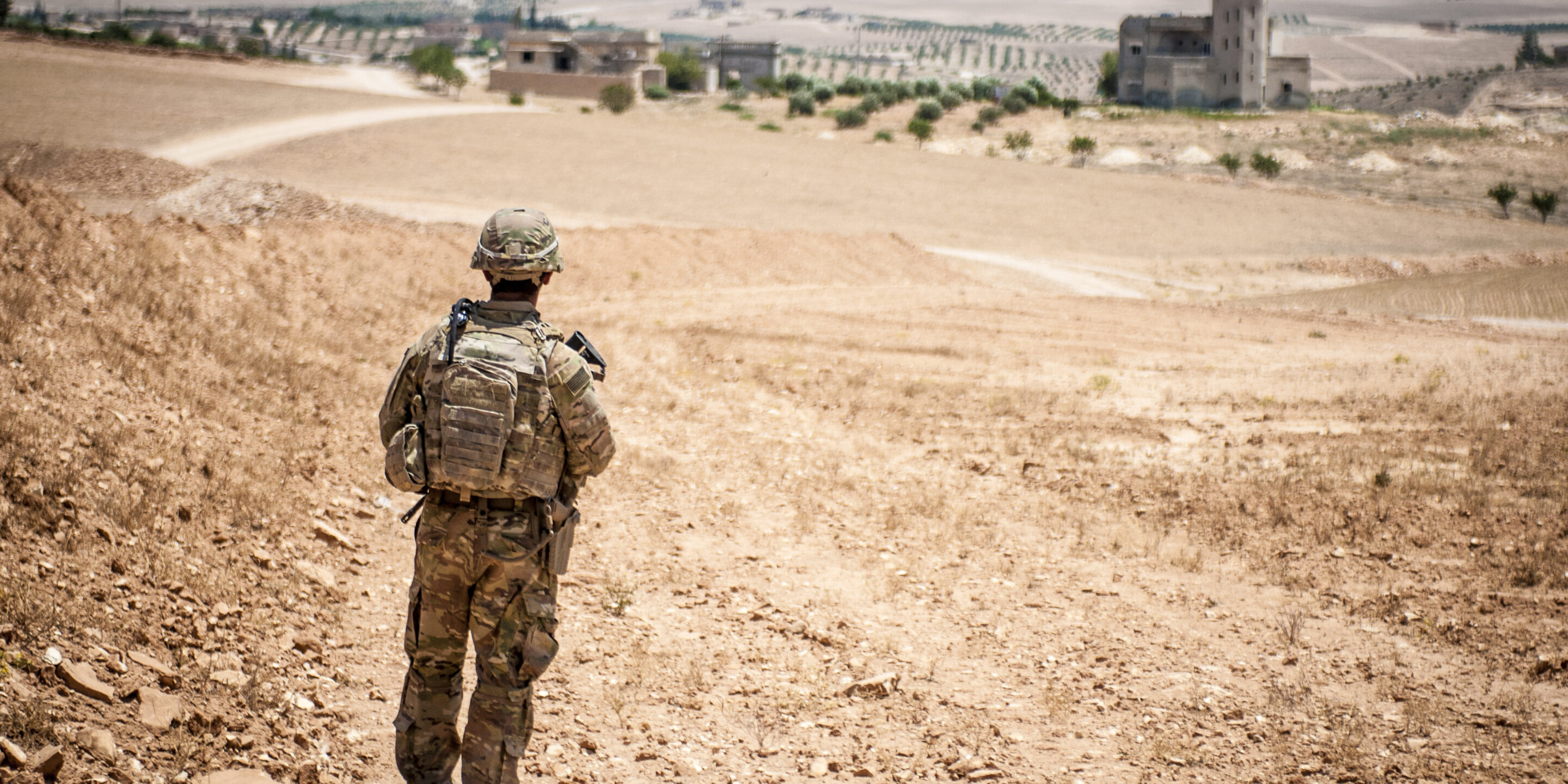
Syria is undergoing the next phase of its rapid transformation since the collapse of the Assad regime in December 2024, raising new questions about the country’s future and the U.S. role in it. In this context, the last major vestiges of its presence in Syria—namely, a few military bases and its local partner, the Syrian Defense Forces (SDF)—appear to be on their way out. The evolving situation raises valid concerns regarding Syria’s future stability as U.S. officials attempt to wash their hands of their long-running involvement, even as Washington would be wise to end its military presence in the country.

Syria’s new developments stem from hostilities between the central government in Damascus, led by President Ahmed al-Shara, and the SDF, formerly based in northeast Syria and some parts of Aleppo Governorate. In early January, fighting broke out in Aleppo City’s Kurdish majority neighborhoods of Ashrafiya and Sheikh Maqsood in the city’s north, resulting in the withdrawal of the last remnants of the SDF in the city, local security forces known as the Asayish.

The fighting did not end, however, as the Syrian Army engaged the final SDF elements west of the Euphrates River in Aleppo Governorate’s Deir Hafir, forcing their withdrawal across the river. Increasingly, it appeared as if Damascus was preparing for a larger assault on northeast Syria, testing the limits of military action that the SDF’s primary backer—the United States—had blocked until recently.

With little apparent pushback from Washington, Damascus moved across the river, quickly utilizing long-planned Arab-community insurgencies via tribes that had long worked with the SDF against the group. As of this writing, a shaky ceasefire deal that addresses most of Damascus’s demands in unification talks remains on the table, and Washington is pushing to see it implemented.

Read at National Interest

Author

Alexander
Langlois

Contributing Fellow

Defense Priorities

More on Middle East

Op-edUS‑Israel‑Iran, Iran, Middle East, Nuclear weapons

Trump has left himself only bad options on Iran

By Daniel DePetris

May 20, 2026

Op-edGrand strategy, Middle East, Ukraine‑Russia

Trump’s Diplomacy Has Stalled

By Daniel DePetris

May 20, 2026

Op-edUS‑Israel‑Iran, Iran, Middle East

The Silver Lining of Trump’s Disastrous Iran War

By Adam Gallagher

May 19, 2026

Op-edIsrael‑Hamas, Middle East

Donald Trump’s board of irrelevant peace

By Daniel DePetris

May 19, 2026

Op-edMiddle East

America Must Avoid Picking Sides in the Saudi-Emirati Feud

By Alexander Langlois

May 14, 2026

In the mediaUS‑Israel‑Iran, Iran, Middle East

Trump faces split among retired U.S. commanders over whether to resume Iran strikes

Featuring Daniel Davis

May 13, 2026

Events on Syria

See All Events
virtualMiddle East, Basing and force posture, Diplomacy, Houthis, Iran, Iraq, Israel, Israel‑Hamas, Military analysis, Syria

Trump in the Middle East: Impacts, implications, and alternatives

May 16, 2025
virtualSyria, Balance of power, Basing and force posture, Counterterrorism, Middle East, Military analysis

Syria after Assad: Prospects for U.S. withdrawal

February 21, 2025
virtualMiddle East, Iran, Israel‑Hamas, Israel‑Iran, Syria, Yemen

Keeping the U.S. out of war in the Middle East

January 16, 2024

Receive expert foreign policy analysis

Join the hub of realism and restraint

Expert updates and analysis to enhance your understanding of vital U.S. national security issues

Defense Priority Mono Logo

Our mission is to inform citizens, thought leaders, and policymakers of the importance of a strong, dynamic military—used more judiciously to protect America’s narrowly defined national interests—and promote a realistic grand strategy prioritizing restraint, diplomacy, and free trade to ensure U.S. security.

  • Research
  • Experts
  • About
  • For Media
  • Jobs
  • Donate
  • Privacy Policy
  • Terms and Conditions
  • Contact
© 2026 Defense Priorities Foundation. All rights reserved.